
Last updated November 21, 2026
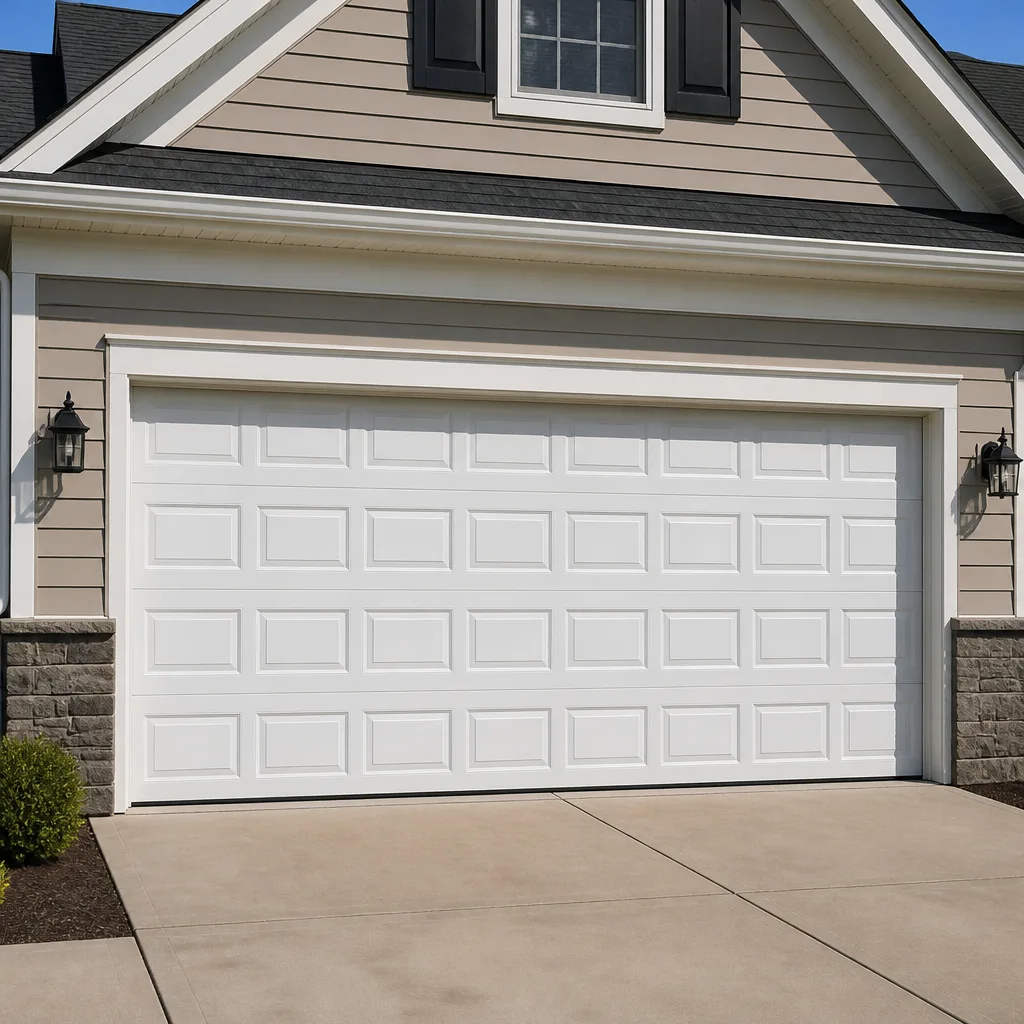 Raised-panel steel
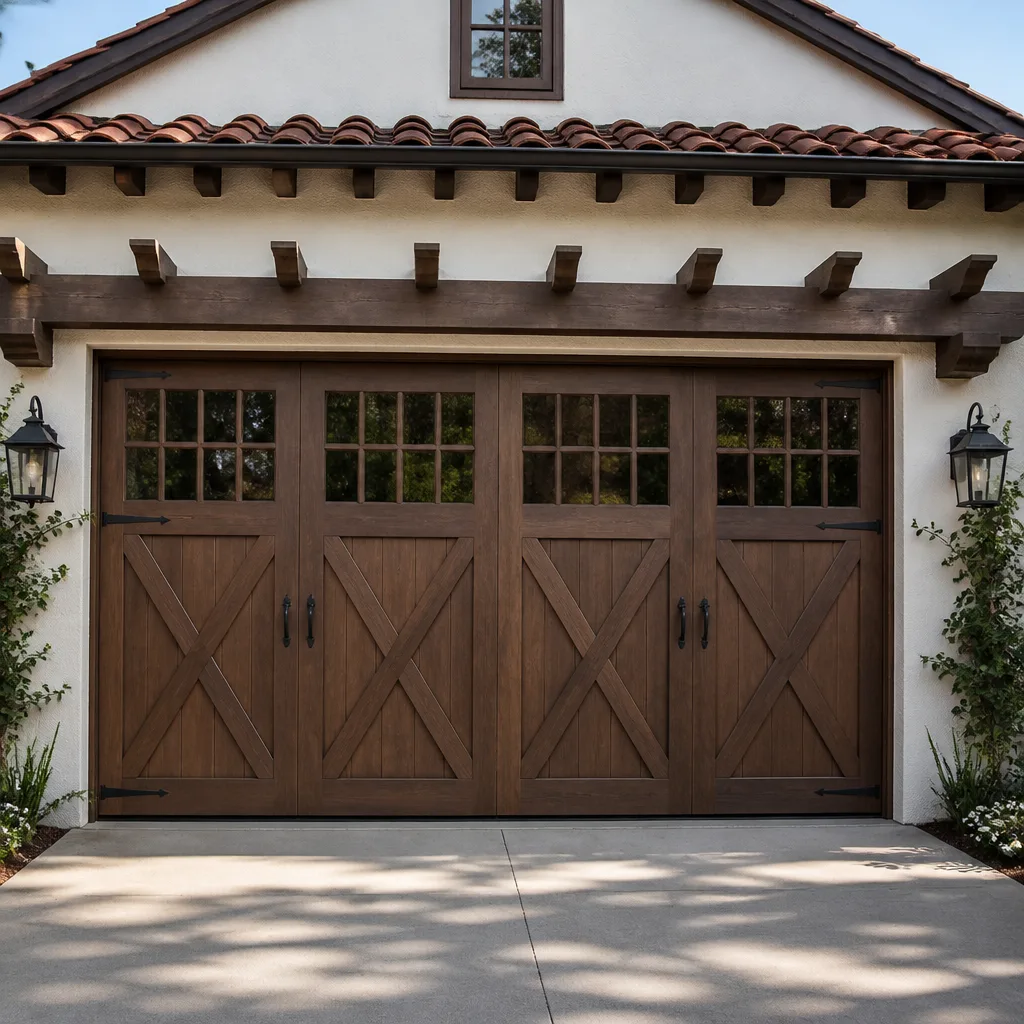 Carriage house
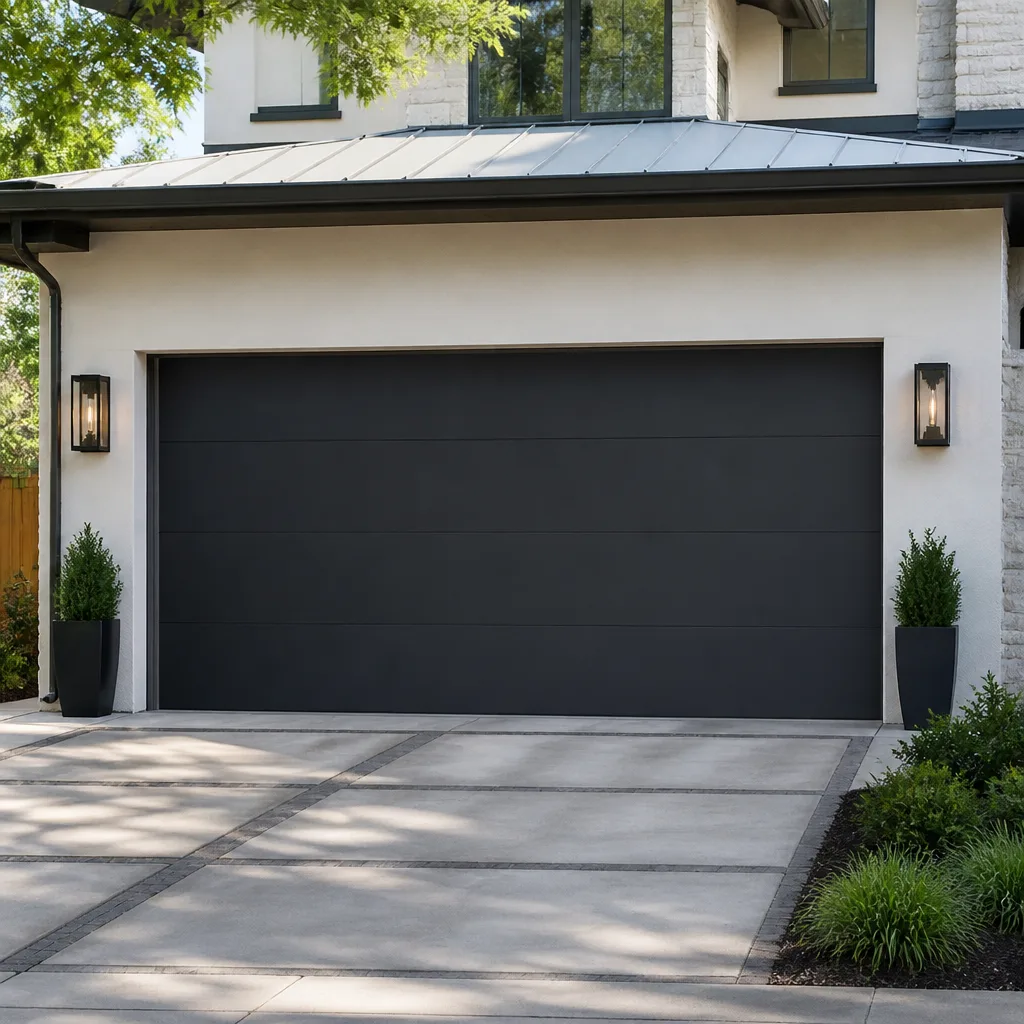 Modern flush
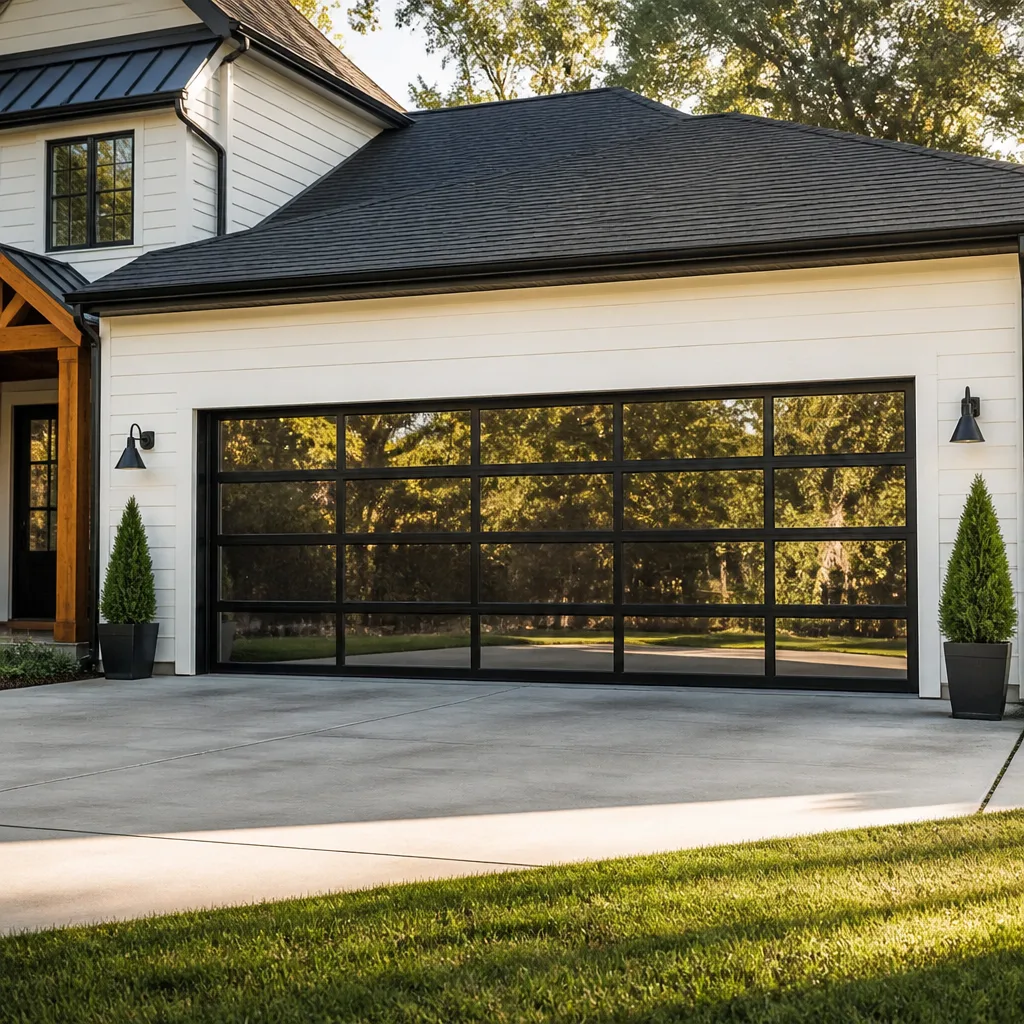 Full-view glass
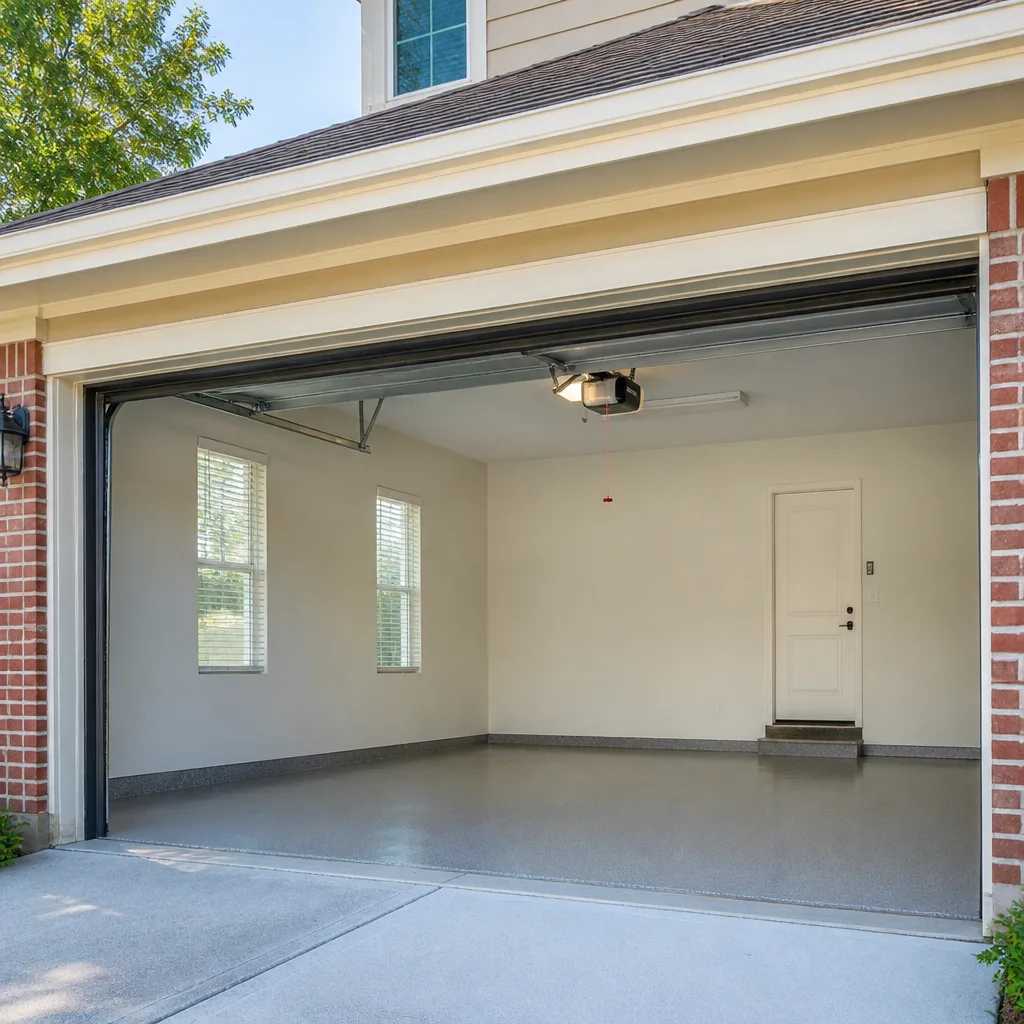 LiftMaster openers
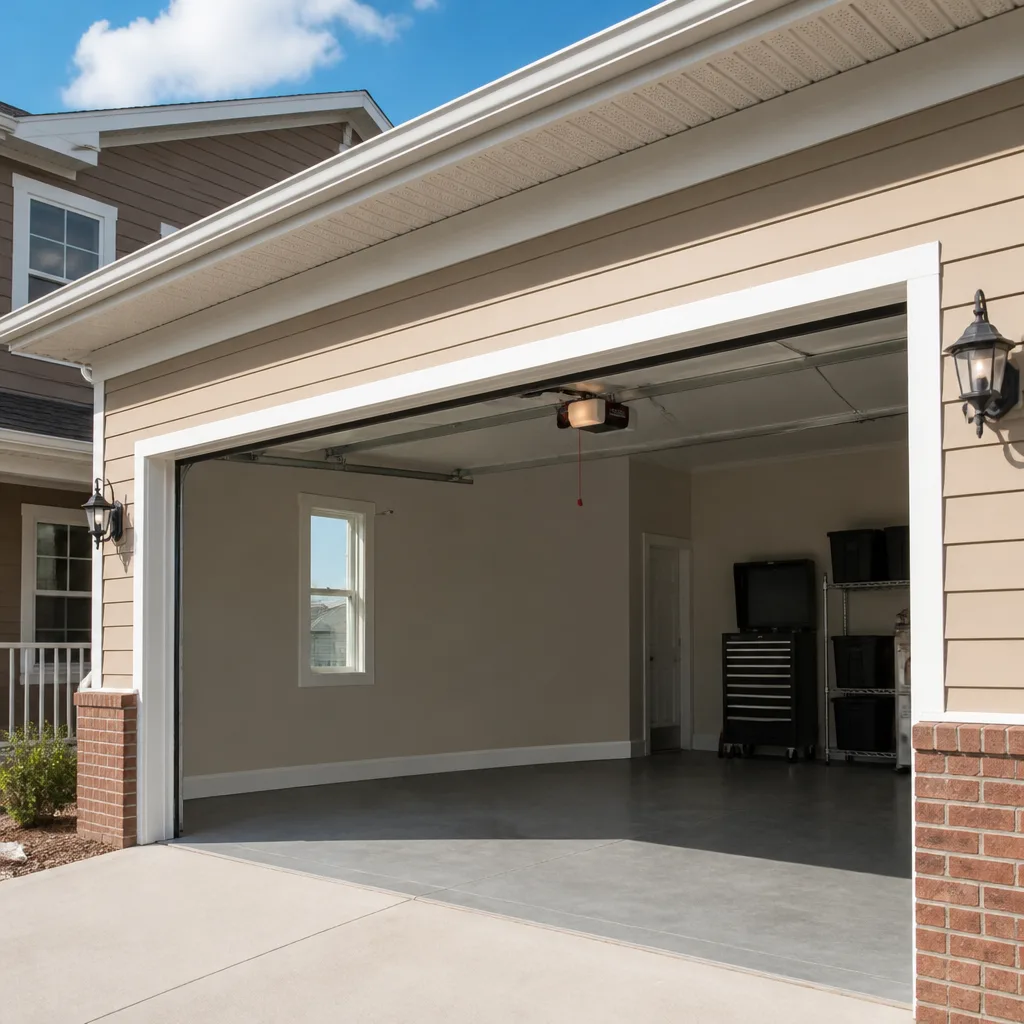 Chamberlain openers
Full 25-point door and opener safety check with every visit - springs, cables, rollers, tracks, and your LiftMaster or Chamberlain opener included
You get a price before we start. It does not change when the pro arrives.
Get your free estimateSeasonal Garage Door Care for Providence: Year-Round Homeowner’s Guide
October is the most important month for your garage door in Providence. Not because anything fails in October, but because everything that fails in January was already telling you something in October. Garage doors don’t break on a schedule. They break when a season exposes the weakness the previous season left behind. That’s especially true here, where a Providence winter can run six months and where the freeze-thaw cycle moves the ground under your slab every single year. What follows is a season-by-season guide to the four distinct failure modes this climate creates, written from what we see on service calls across Providence. You’ll learn what to check, when to check it, and which fixes you can handle yourself and which you should hand to a specialist.
Quick Answer
Seasonal garage door care in Providence means treating each season as a specific mechanical event: fall prep for a long freeze, spring reassessment after ground heave shifts your tracks, summer checks for humidity swelling on wood and steel panels, and a fall weatherstripping audit before the first hard freeze locks in gaps. The single highest-value habit is a fall lubrication and hardware inspection in October; the most commonly misdiagnosed problem is a spring thaw track shift that homeowners blame on a failing opener.
Styles & brands we work with
- Raised-panel steel
- Carriage house
- Modern flush
- Full-view glass
- LiftMaster openers
- Chamberlain openers
Table of Contents
- Fall Prep: Getting a Providence Door Ready for a Six-Month Winter
- Season-Specific Lubrication: Why July’s Product Is January’s Problem
- Spring Thaw: Track and Roller Damage You Might Blame on the Opener
- Summer Humidity and What It Does to Panels and Hardware
- The Fall Weatherstripping Audit: Measuring Seal Compression Before the Freeze
- Brand-Specific Care Notes for Common Providence Doors
- A Simple 12-Month Providence Garage Door Calendar
- Common Mistakes to Avoid
Fall Prep: Getting a Providence Door Ready for a Six-Month Winter
Providence winters are long enough that a garage door effectively sits in freeze conditions for half the year. That changes what “winterizing” means. It’s not one weekend job in November. It’s a set of checks you do in October, when it’s still comfortable to work outside, so that nothing gets left to fail during the coldest weeks. The goal is simple: reduce friction, secure hardware, and close gaps before the cold makes all three harder to reach.
We tell homeowners to start with the door itself. Open and close it by hand (with the opener disengaged) and listen. A door that grinds, squeals, or hesitates when you move it manually has a mechanical issue that winter will make worse. Then move to the hardware.
- Check every hinge, roller bracket, and bolt. Cold contracts metal slightly, and a bolt that’s a quarter-turn loose in October can rattle loose by December. Tighten by hand; don’t over-torque.
- Inspect rollers and tracks for debris. Grit and dried leaves act like sandpaper in cold weather. Wipe tracks clean with a damp rag and check that rollers turn freely.
- Test the balance. Disengage the opener, lift the door halfway, and let go. A properly balanced door stays put. One that drifts down or shoots up has a spring tension issue that should be checked before winter.
- Check the bottom seal and side seals. Look for cracks, hardening, or gaps. Weatherstripping gets brittle fast in cold, and a gap you can’t see now becomes a visible draft in January.
- Look at the opener’s safety features. Test the auto-reverse by placing a small object in the door’s path and confirming it reverses. This is a safety function, not a convenience.
Torsion springs and cables are the parts you should never adjust yourself. They’re under extreme tension, and a spring that lets go can cause serious injury. If your balance test shows the door is out of balance, or you see a spring with a visible gap or a cable that looks slack, that’s a job for a trained technician. For a Providence door heading into winter, we’d rather you have us check a spring in October than discover it during a cold January evening.
Season-Specific Lubrication: Why July’s Product Is January’s Problem
The lubricant that works in a warm Providence July is often the wrong call in a Providence January. This is one of the most overlooked seasonal details, and it matters because the wrong product in cold weather can actually gum up the works. The chemistry of lubricants changes with temperature, and the door hardware doesn’t know it’s January until it stops moving smoothly.
What to use and when
- Warm months: A light lithium grease or silicone-based lubricant works well on hinges, rollers, and the torsion bar. These flow easily and protect against summer humidity and dust.
- Cold months: A synthetic lubricant with a low pour point is the better choice. It stays fluid when temperatures drop. Heavy grease that thickens in the cold is the wrong tool; it can make rollers drag.
- Never use WD-40 as a lubricant. It’s a great cleaner and water displacer, but it’s not a long-term lubricant and leaves hardware dry.
- Tracks don’t get greased. Keep them clean and dry. Grease attracts grit, and grit plus cold equals stuck.
In our experience, the seasonal switch is simple: clean and lubricate hinges, rollers, and the torsion bar in early fall with a synthetic product rated for cold, then reapply lightly in spring after the freeze-thaw cycle has passed. For the springs themselves, leave them alone; a technician lubricates those safely during a garage door repair visit. It’s not a homeowner job.
We also see a lot of doors here fitted with LiftMaster and Chamberlain openers, and the manual for those units lists specific lubrication guidance. If you’re unsure what a brand recommends, the manual is the right source. Not every door wants the same treatment.
Spring Thaw: Track and Roller Damage You Might Blame on the Opener
Spring in Providence is not a gentle transition. The ground thaws, heaves, and shifts, and that movement travels through your garage slab into the door’s track and frame. This is where a huge share of misdiagnoses happen. A homeowner hears a scraping sound in April, assumes the opener is failing, and calls for an opener repair when the actual problem is a track that’s been pushed out of alignment by ground movement.
The tell is mechanical: a door that runs smoothly when you disengage the opener and move it by hand is probably fine. A door that binds, scrapes, or catches on one side even by hand has a track or roller problem, not a motor problem. That single test separates the two before anyone picks up a wrench.
Spring checklist after the thaw
- Disengage the opener and run the door by hand. Note any binding, scraping, or uneven travel.
- Look down each track from top to bottom. Tracks should be parallel, plumb, and clear of dents. A bend at the curve near the top is common after a hard freeze.
- Check the ground line at the bottom of each track. Heave often lifts the slab edge slightly, which can lift or twist the lower track bracket.
- Inspect rollers for flat spots or cracking. Cold and grit accelerate roller wear, and a damaged roller will scrape even when the track is straight.
- Test the door in both directions. A door that travels smoothly open but binds on close has a travel or balance issue rather than a motor fault.
If the track is bent or the lower bracket is out of plumb, a technician can adjust or replace it. Straightening a track is a deliberately gentle job; forcing it back into place bends it further. And if testing reveals the opener really is the problem, that’s a separate diagnosis. We handle garage door opener repair all the same week, but we don’t want to sell you one when a track adjustment is what the door actually needs. That’s the difference between diagnosing and guessing.
Rodents sometimes nest in the bottom corners of the garage during a Providence winter, and spring is when their damage shows up as frayed weatherstripping or a chewed bottom seal. Add a quick visual to your thaw checklist: run a hand along the bottom seal and look for bite marks or torn sections.
Summer Humidity and What It Does to Panels and Hardware
Providence summers bring extended stretches of hot, humid weather. For a garage door, that means expansion, moisture, and material stress. A wood composite or wood-look panel can swell, warp, or delaminate over a long humid season. Steel panels don’t warp, but condensation on the inside face can promote rust at seams and hinges if the door isn’t ventilated or sealed properly. Urban blocks can feel this more than open lots because the buildings hold heat and moisture.
Summer inspection points
- Check panel edges. Look for bubbling, peeling paint, or soft spots, especially on the bottom third of wood composite doors. That’s where humidity damage shows up first.
- Look at steel seams and hinges for rust. A light wiping and a rust-preventive spray on hinges in early summer keeps the corrosion from spreading.
- Check the bottom seal again. Constant contact with a damp slab can soften the seal. Make sure it’s still flexible and sealing.
- Ventilate. If your garage gets stuffy, a simple passive vent or an open crack in the door during dry days helps reduce the moisture load on the panels.
- Clean the opener’s photo-eye lenses. Dust and insect activity in summer can fog the safety sensors and cause the door to reverse for no apparent reason.
We see plenty of Raynor and Wayne Dalton doors around Providence that have been in place for a range of years. On those units, summer is when panel condition is easiest to assess; you can see the surface clearly and feel any softness. If panel damage is serious, a technician can advise whether repair is sensible or whether a new door is the better use of money. For a door at the end of its service life, we’d walk you through garage door installation rather than keep patching panels that are failing from the inside out.
The Fall Weatherstripping Audit: Measuring Seal Compression Before the Freeze
Weatherstripping is the quietest point of failure on any garage door, and it’s the one most likely to lock in a gap before you notice. The window to fix it is your fall audit, before the first hard freeze. Once the cold arrives, rubber and vinyl stiffen, and a seal that isn’t compressing properly stays that way. You won’t feel it until the cold reaches the house, or until a pipe in the garage wall is exposed to a draft all winter.
Here’s how to check seal compression without a gauge:
- Close the door fully. From inside, run your hand around the perimeter, starting at the bottom, then up each side, then across the top.
- Feel for a draft or a gap. Anywhere you feel moving air, the seal isn’t compressing.
- Look at the seal’s shape. A healthy seal should be compressed against the frame. A seal that hangs loose or looks flattened is worn out.
- Check the bottom seal against the slab. Look for light coming under the door on a bright day. If you can see daylight, you’ve got a gap.
- Test the side and top seals. These are the ones homeowners forget. Press a finger against the seal; if it’s stiff, cracked, or doesn’t spring back, it needs replacement.
Replacing a bottom seal is a reasonable DIY job on many doors. Side and top seals vary by door type, and some require repositioning stop moldings. When you find a compression problem that’s beyond a simple bottom seal swap, a technician can measure, source, and fit the right strip for your door. This is one of the highest-return fall jobs you can do. It’s often cheaper than a heating bill surprise, and the work takes less time than you’d expect.
Brand-Specific Care Notes for Common Providence Doors
Different brands have different weak points and different maintenance preferences. It helps to know what’s on your door, because the advice is not one-size-fits-all.
- LiftMaster and Chamberlain openers: These share similar engineering through their MyQ smart-home ecosystem. Their safety sensors and manual-release mechanisms are common failure points in cold weather, so test the auto-reverse and the manual release before winter.
- Wayne Dalton doors: Panel and hardware wear are the usual care points. Check hinges and track brackets in fall, and watch panel condition in summer.
- Craftsman doors and openers: Common on older homes. The opener units are reliable, but the safety eyes can fog in summer and cold-weather stiffness can bind the chain or belt. Lubricate moving parts before fall.
- Raynor doors: Track alignment and spring condition are worth checking, especially after the spring thaw.
If your door is a Genie, Clopay, or Amarr unit, the care steps are similar. What changes is the specific part you need. Providence Garage Door Repair Co technicians work on eight major brands: LiftMaster, Chamberlain, Genie, Clopay, Amarr, Wayne Dalton, Craftsman, and Raynor. Knowing your brand matters for parts sourcing and for diagnosing quirks specific to that manufacturer. It’s a big reason generalist handymen struggle with garage door work and specialists don’t.
Our technicians have up to 13 years of experience. If you’re unsure what your door is, you can look on the interior side for a manufacturer label or take a photo. That’s a fast way to get the right advice when you call.
A Simple 12-Month Providence Garage Door Calendar
The seasonal approach is easier when you know what to do and when. Here’s a calendar you can keep, adjust to your own door, and check off through the year. It’s not a list of repairs; it’s a set of inspections that will tell you when a repair is needed.
- October: The big prep. Tighten hardware, clean tracks, lubricate with a cold-rated synthetic product, test the balance, and audit weatherstripping.
- November: Final seal check before deep freeze. Confirm the bottom seal and side seals are close, and that the opener safety features work.
- December through February: Winter watch. Listen for new noises, check that the door still seals, and keep tracks clear of snow and ice tracked in from outside.
- March: Post-thaw inspection. Run the door by hand, check track alignment, and look for track and roller damage.
- April: Repeat spring checks; replace any cracked weatherstripping found during the thaw.
- May: Summer setup. Clean and lightly lubricate hinges, check panel edges for humidity damage, and wipe off the safety sensors.
- June through August: Humidity watch. Check for swelling or rust on panels, especially on the south and west faces of the garage.
- September: Pre-fall check. Compare the door’s current condition to what you noted in May. That comparison tells you what winter is likely to reveal.
If you miss a step, don’t panic. The calendar is a guide, not a course grade. The point is to catch the small things before they become the reason for a service call.
Common Mistakes to Avoid
- Blaming the opener for a track problem. Spring thaw moves the ground, and that shifts tracks. A scraping door after winter is usually a track or roller issue, not a motor failure. Always test the door by hand before assuming the opener is failing.
- Lubricating with the wrong product for the season. Heavy grease that’s fine in July thickens and drags in January. Use a synthetic lubricant rated for cold in the winter months.
- Ignoring weatherstripping until it’s cold. Seal gaps are easiest to spot and fix before the first freeze. In a long Providence winter, a gap you missed stays open.
- Putting off the fall inspection. October is the best month to check hardware before the long cold. A jammed door in January is a much worse problem than a loose bolt in October.
- Oiling steel tracks. Grease on tracks collects grit and makes rollers drag. Tracks want to be clean and dry, not oiled.
- Assuming a humid summer can’t hurt a steel door. Condensation inside the garage can rust steel seams. A little attention in summer prevents an expensive spring surprise.
- Waiting for an emergency to learn about your own garage door. Knowing your brand, your door’s age, and its quirks means you can make informed decisions when something does go wrong.
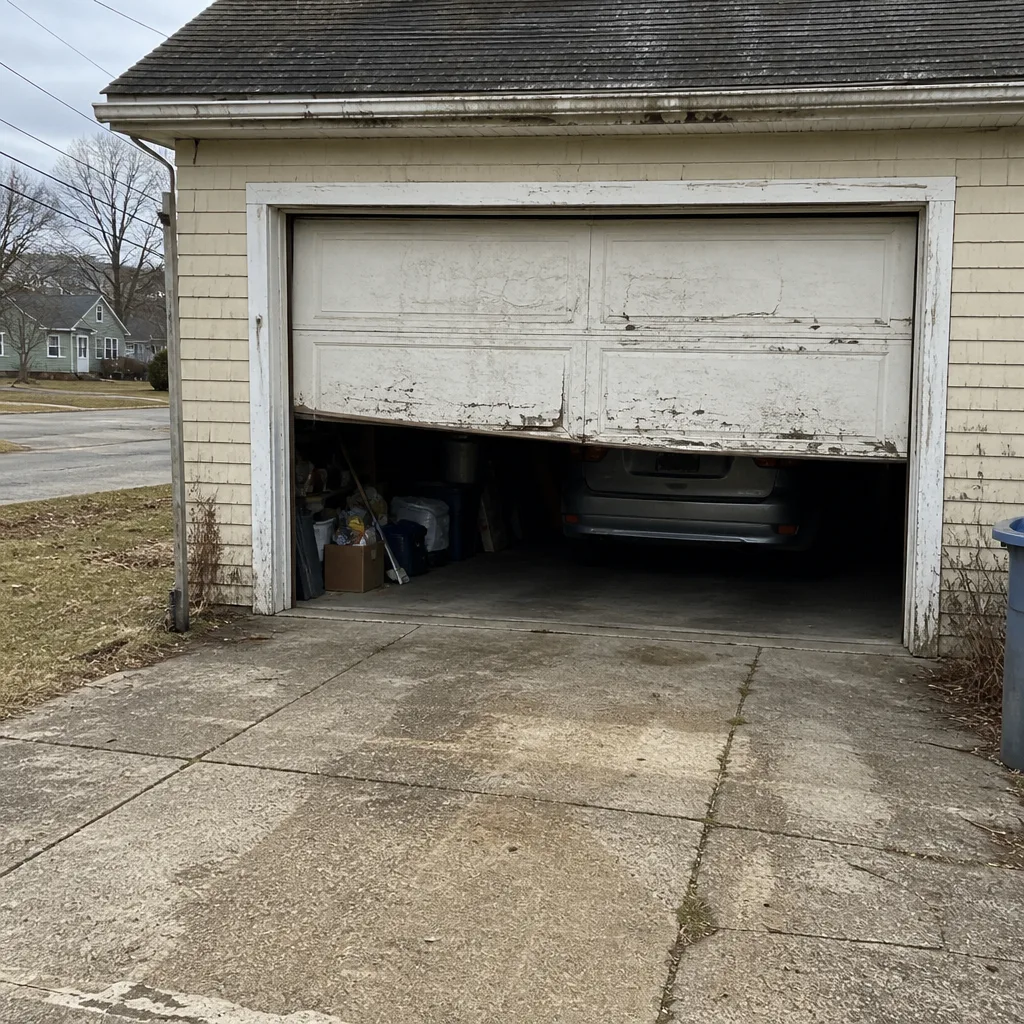
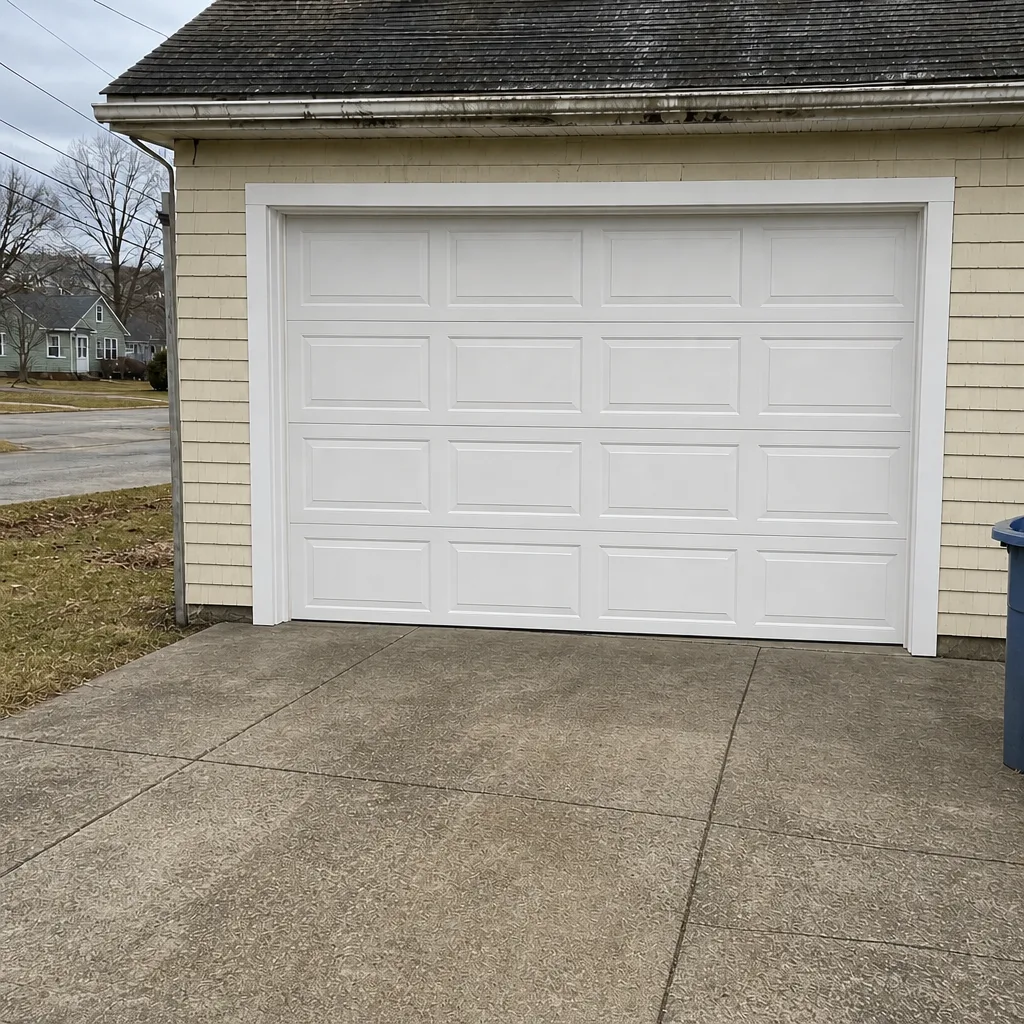
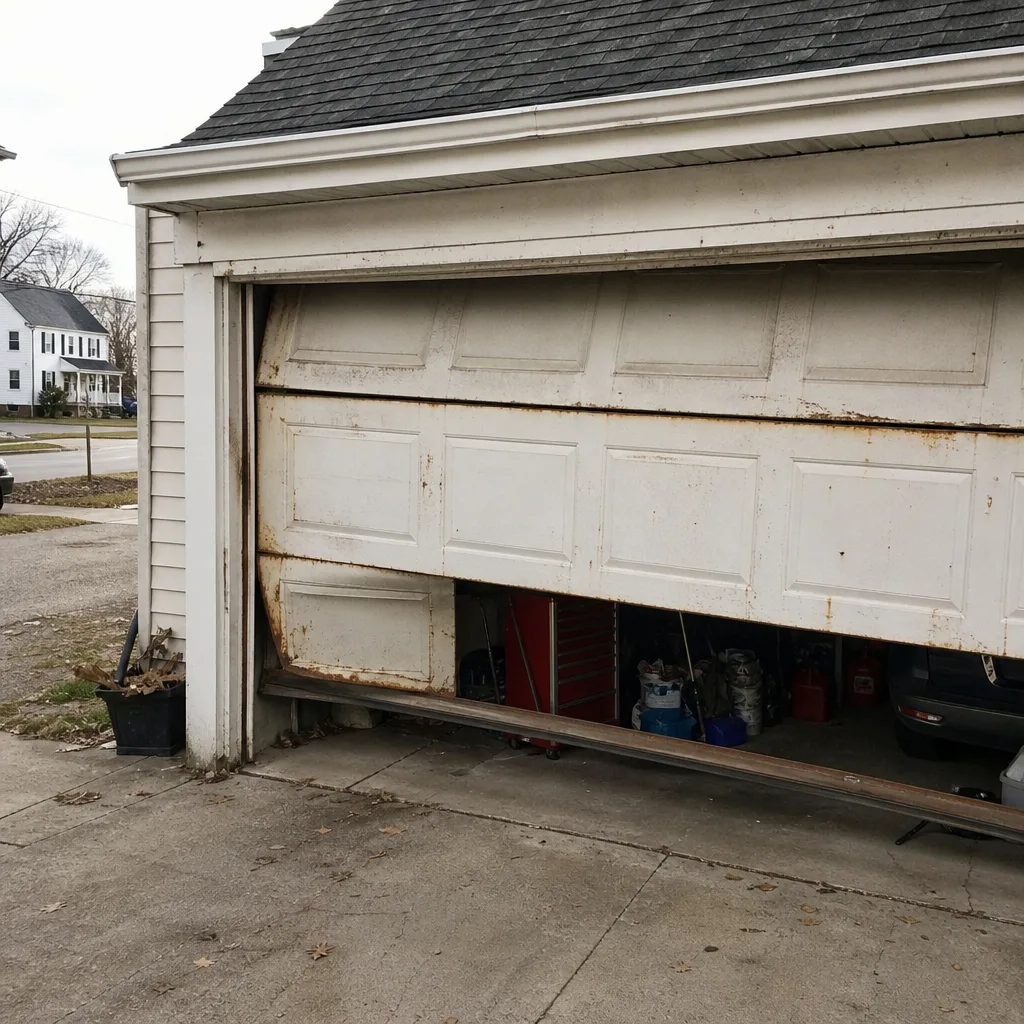
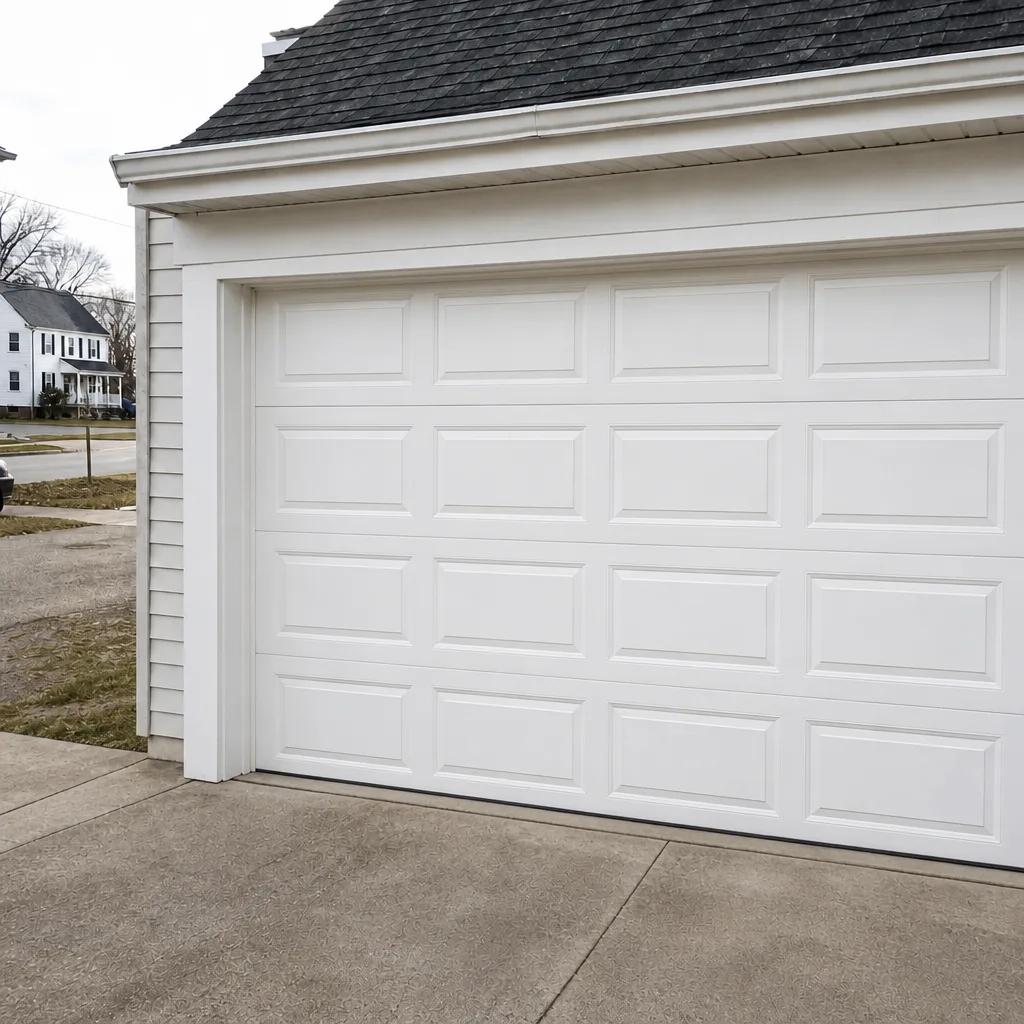
See the difference
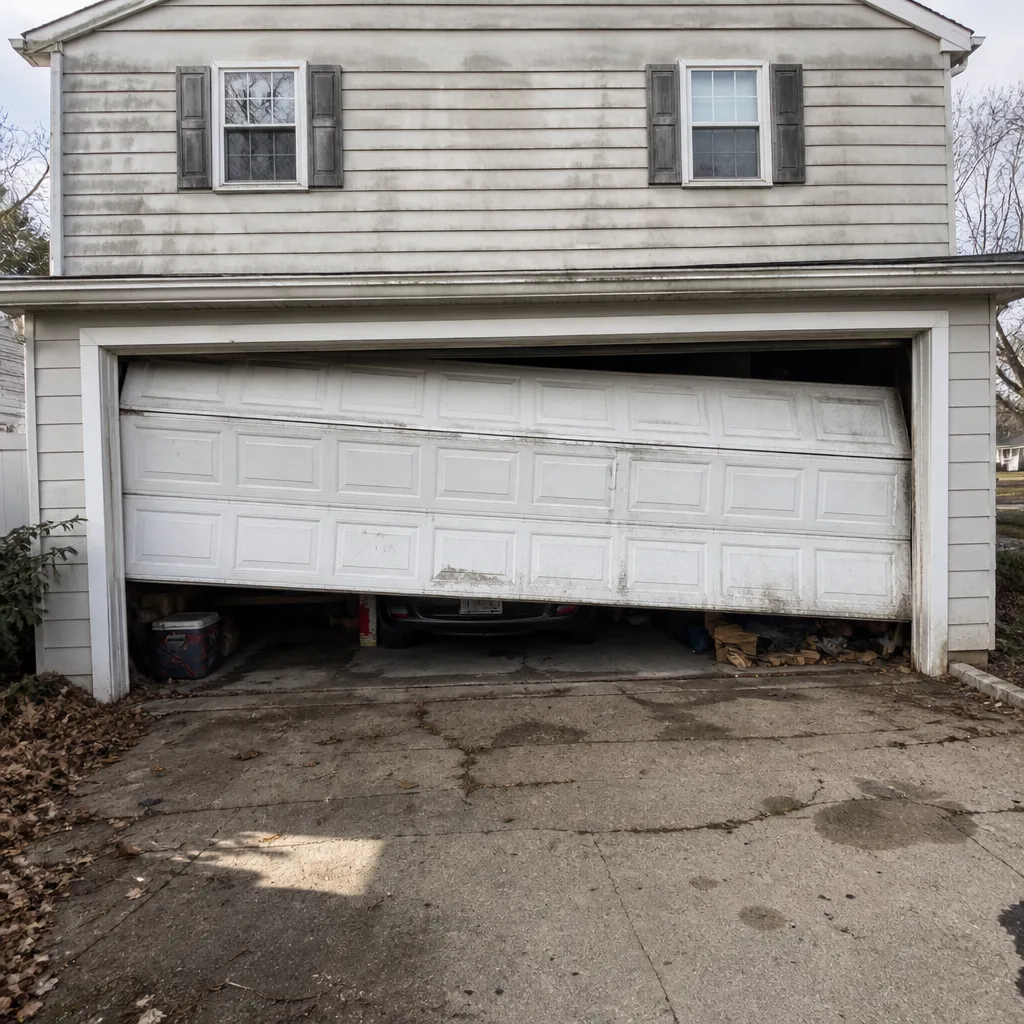 Before
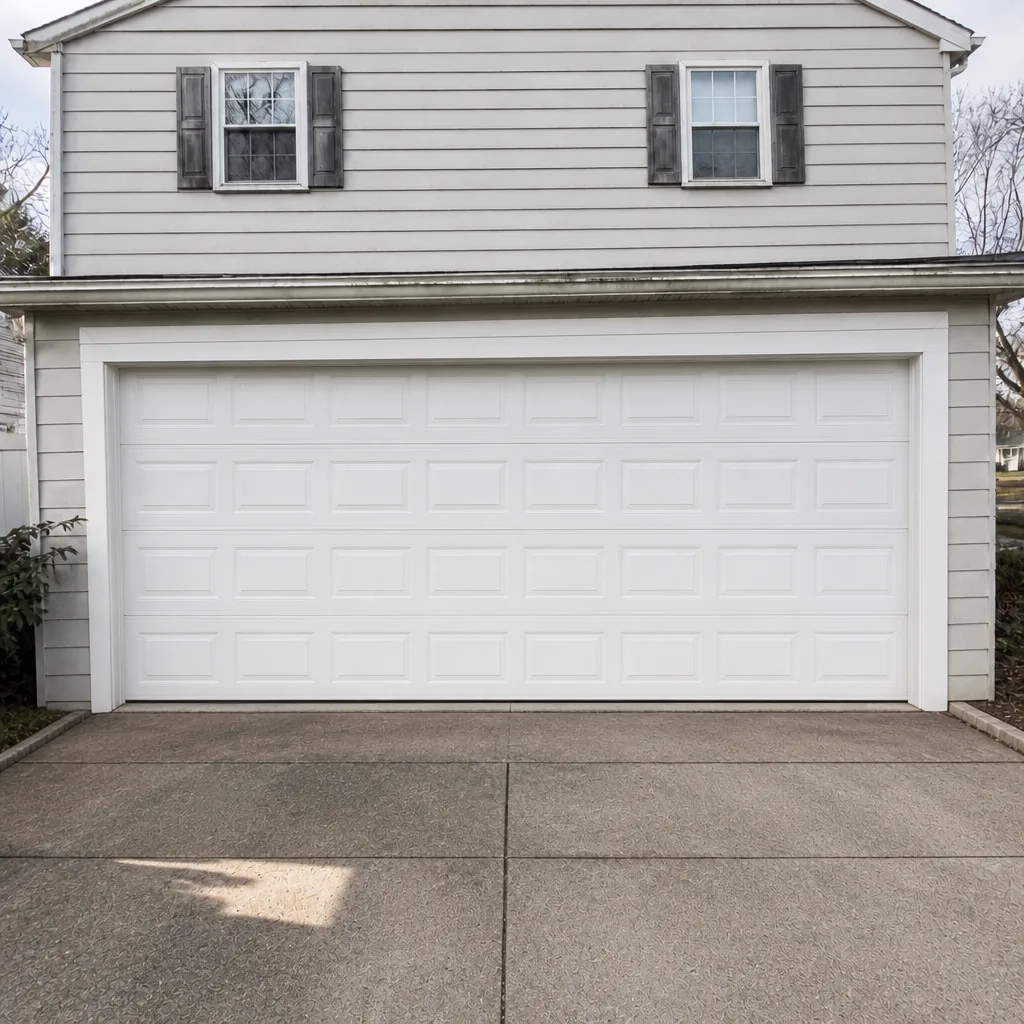 After
 Before
 After
 Before
 After
When to Call a Professional
Most seasonal garage door care is within reach of a careful homeowner: inspections, cleaning, and lubricant changes are fine to do yourself. There are specific situations, though, where a professional call is the right move. If your balance test shows the door drifting open or closed, if the door binds in its tracks even by hand, if you see a twisted spring or slack cable, if the door isn’t sealing at the bottom despite a new seal, or if the door won’t open at all, those are the moments to stop testing and pick up the phone. Torsion springs, cables, and track realignment are the jobs that create the most at-home injuries, and they’re also the ones where a technician can diagnose quickly and safely.
Providence Garage Door Repair Co offers free estimates in Providence, so a check costs you a call, not a commitment. Call (844) 954-3433, and we’ll help you decide whether it’s a five-minute fix or something that needs a visit. We answer 24/7, with fast dispatch from 7am to 7pm, Sunday through Friday.
Frequently Asked Questions
Twice a year is the general rule: once in fall before winter, and once in spring after the freeze-thaw cycle has passed. The fall application is the more important one for this climate, since it uses the cold-rated lubricant that keeps the door moving through the long winter. Call (844) 954-3433 if you’d like a professional to check the hardware at the same time.
Ground heave during the thaw shifts the slab and the track frame, so the door’s tracks go out of alignment even though nothing “broke.” Test it by running the door by hand while the opener is disengaged; if it still binds, the problem is the track or rollers, not the opener. That’s the most common misdiagnosis we see in Providence in the spring.
Yes, especially on wood composite and steel doors. Wood-look panels can swell or delaminate over a long humid summer, and steel panels can rust at seams and hinges from condensation inside the garage. Checking for soft spots, bubbling, or rust in early summer lets you address the problem before fall, when the cold can freeze the damage in place.
A bottom seal is a reasonable DIY job on many doors and is worth doing in fall, before the first freeze makes the old seal stiff and ineffective. Side and top seals vary more by door type, and a poor fit means more drafts, not fewer. If you’re not confident in the fit, a technician can measure and fit the right strip quickly.
A synthetic lubricant rated for cold is the best choice for winter; gel-type lithium or silicone-based products that stay fluid below freezing are the typical picks. Avoid using WD-40 as a lubricant, and skip the grease that thickens in cold temperatures. Keep the tracks themselves clean and dry.
October is the best month for a full seasonal tune-up in Providence. It’s before the long winter, the door hardware is still easy to work on in mild temperatures, and any issue found can be resolved before the first hard freeze. A spring tune-up is the second most useful check, timed after the thaw. Call (844) 954-3433 for a free estimate on a seasonal tune-up.
The Bottom Line
Providence’s climate asks a lot of a garage door, and the four-season approach above treats each season as a specific mechanical event rather than just a change in temperature. Do the fall prep, use the right lubricant for the season, reassess the tracks after the thaw, watch the panels in summer humidity, and measure your weatherstripping before winter locks in a gap. Those habits prevent the January service call and keep a 400-pound door doing its job safely. If a season does reveal a problem you can’t fix yourself, a specialist can diagnose it quickly and source the right part the first visit. Whether it’s a repair, an opener issue, or a full replacement, we work only in garage doors, and that focus is what keeps a Providence homeowner’s door running through every season.
Ready for your seasonal check? Call (844) 954-3433 for a free estimate. Providence Garage Door Repair Co is the multi-brand specialist for Providence Garage Door Repair Co and the full range of garage door services. We answer 24/7, with fast dispatch from 7am to 7pm, Sunday through Friday.
Written by the team at Providence Garage Door Repair Co.