
Last updated November 21, 2026
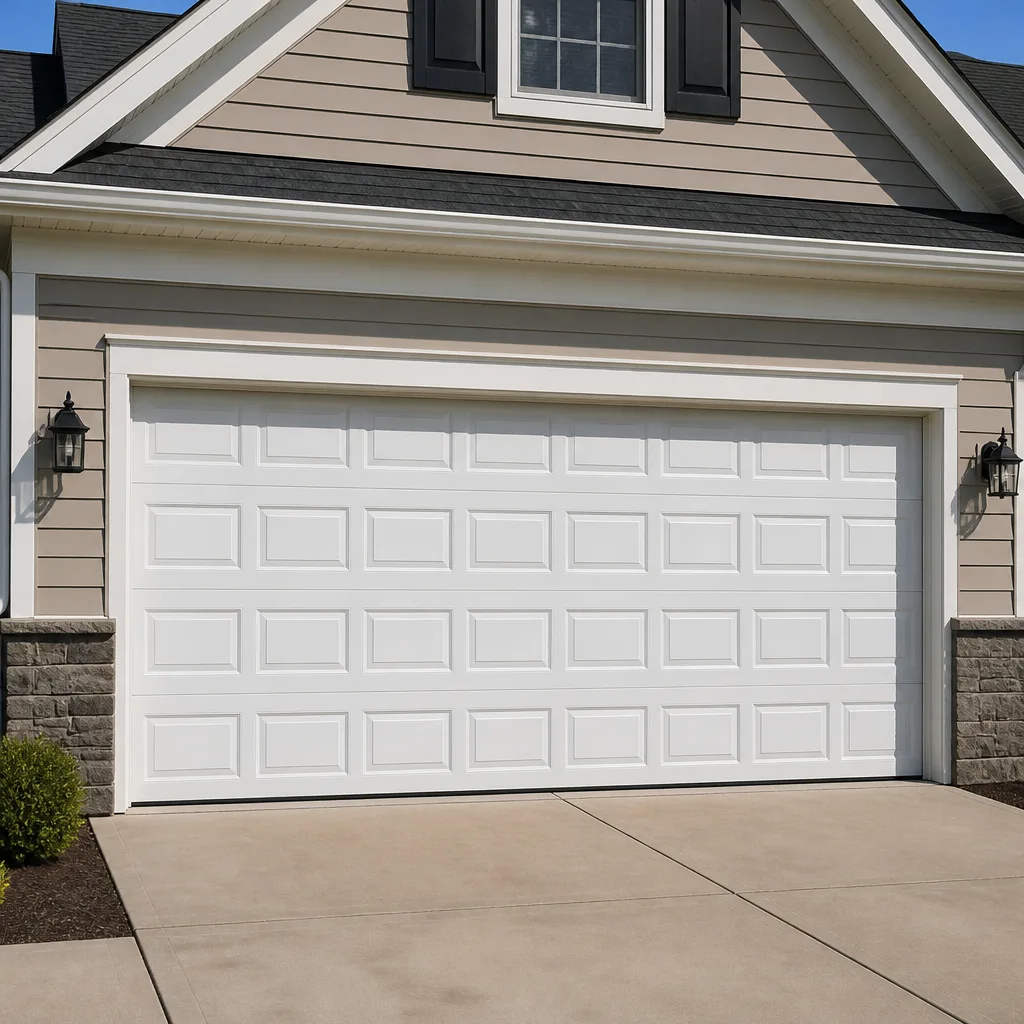 Raised-panel steel
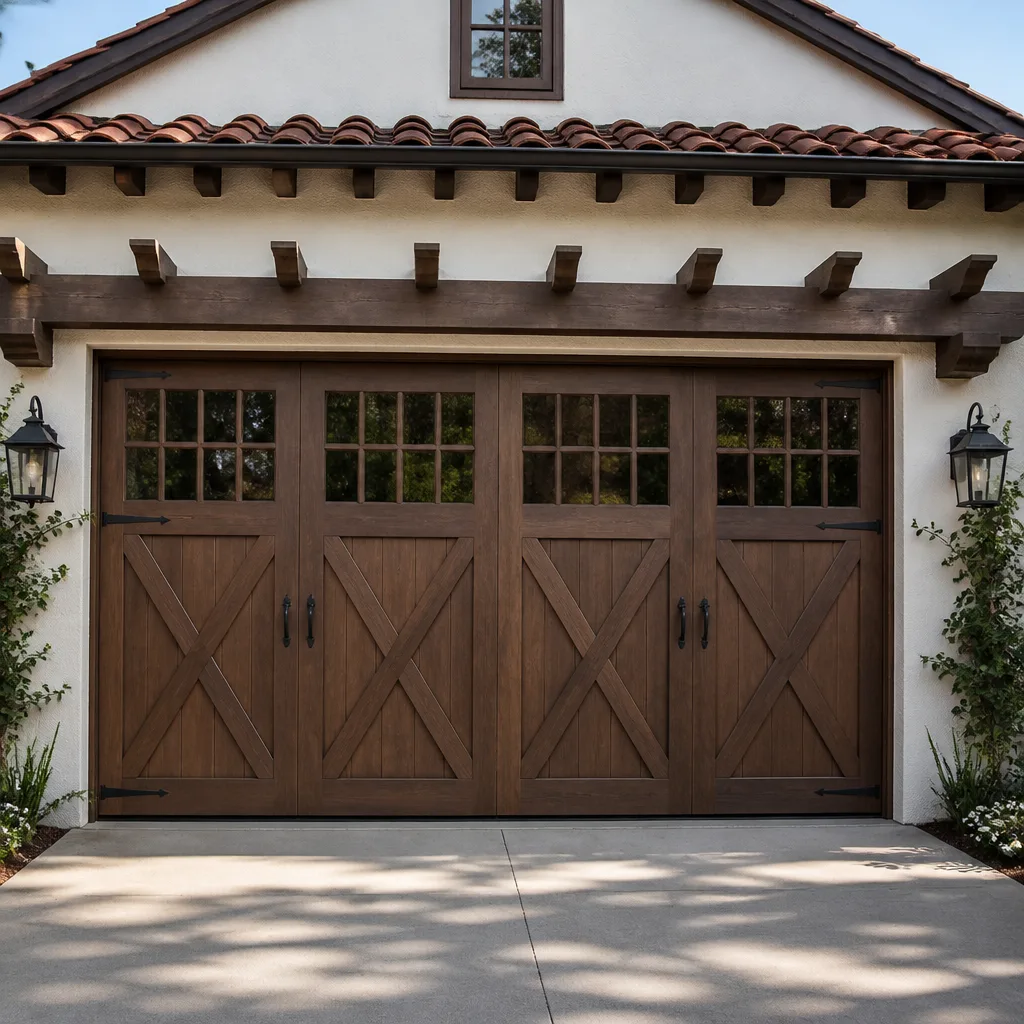 Carriage house
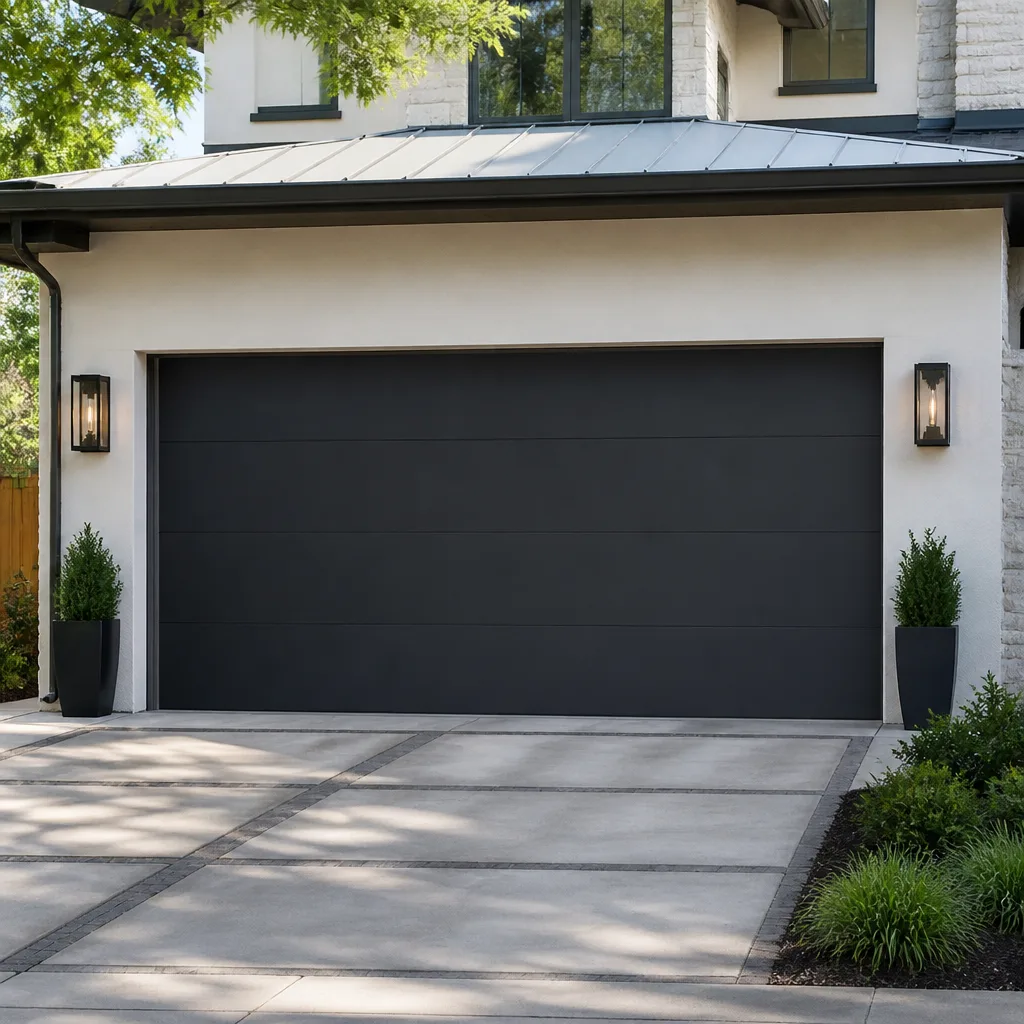 Modern flush
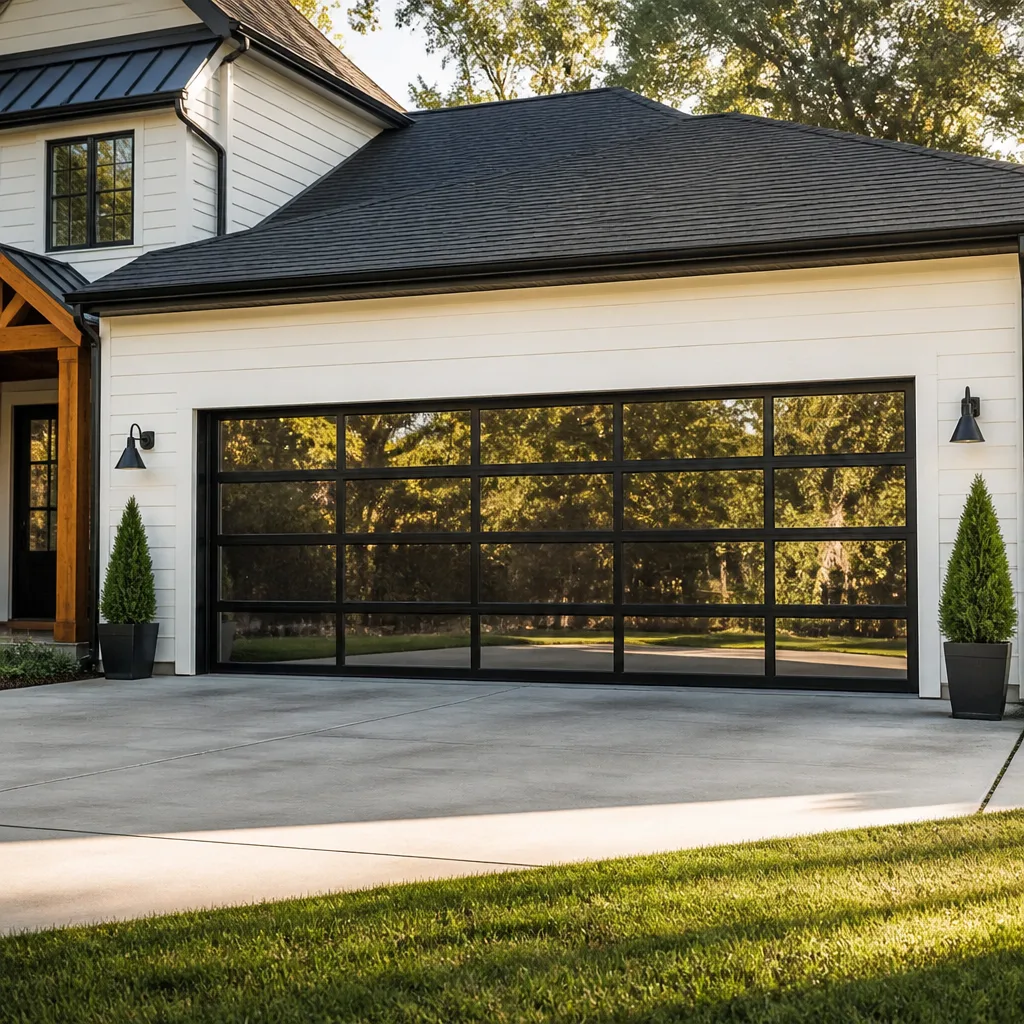 Full-view glass
 LiftMaster openers
 Chamberlain openers
Full 25-point door and opener safety check with every visit - springs, cables, rollers, tracks, and your LiftMaster or Chamberlain opener included
You get a price before we start. It does not change when the pro arrives.
Get your free estimateHow to Hire a Garage Door Contractor in Providence: A Step-by-Step Guide
There is no state-issued “garage door contractor” license in Rhode Island. That single fact changes everything about how you should shop for help. Anyone with a truck, a ladder and a wrench can print “technician” on a business card and knock on your door in Providence, and the burden of telling a specialist from a dabbler falls on you, not on a state board. Most homeowners get this wrong because they shop on price and speed instead of on the handful of questions that actually reveal competence. In this guide we’ll walk through what Rhode Island does and doesn’t require, the three phone questions that separate a garage door specialist from a generalist, how to read an estimate line by line, and the red flags that show up specifically in the Providence market.
Quick Answer
To hire a garage door contractor in Providence, verify Rhode Island contractor registration and insurance first, then ask three diagnostic questions that reveal whether the company works exclusively in garage doors or splits its time across trades. Get an itemized written estimate before any work starts, confirm brand familiarity and warranty terms in writing, and be wary of out-of-state call centers and “same-day” outfits with no Rhode Island presence. The technician who arrives should be able to name your door and opener brands, explain the failure, and quote you a fixed price you agree to before a single bolt turns.
Styles & brands we work with
- Raised-panel steel
- Carriage house
- Modern flush
- Full-view glass
- LiftMaster openers
- Chamberlain openers
Table of Contents
- What Rhode Island actually requires (and doesn’t) for garage door work
- The three questions that reveal a real specialist
- How to read a garage door estimate line by line
- Why brand familiarity matters for warranty work
- Red flags specific to the Providence market
- What a good technician does on the first visit
- Spring work and the safety question you must ask
- Common mistakes to avoid
- When to call a professional
- Frequently asked questions
What Rhode Island Actually Requires (and Doesn’t) for Garage Door Work
Rhode Island registers contractors at the state level, and homeowners can check registration status through the state’s contractor registration lookup before hiring. What the state does not do is issue a garage door-specific license. There’s no separate credential for spring replacement, opener wiring or door installation. A registered general contractor and a dedicated garage door specialist can both hold the same paperwork and still be worlds apart in skill. That’s the gap you’re closing when you vet someone.
Here’s what to verify before anyone touches your door:
- State contractor registration. Ask for the registration number and check it yourself. Don’t take a photo of a badge as proof.
- General liability insurance. A door that comes off its track can damage a car, a wall or a person. Ask for a certificate of insurance and confirm it’s current.
- Workers’ compensation coverage. If someone gets hurt on your property and isn’t covered, the problem can follow you.
- A Rhode Island address. Not a PO box in another state, not a call center. A real local presence you can look up.
In our experience, the paperwork check takes five minutes and eliminates most of the wrong choices. The rest of the vetting happens over the phone, and it’s about skill, not documents. Providence has a lot of older housing stock with garages that have been modified, re-tracked or re-hung over the decades, and a technician who reads those quirks quickly saves you money and callbacks. The state won’t tell you who can do that. The next section will.
The Three Questions That Reveal a Real Specialist
You can tell more about a garage door contractor in a five-minute phone call than in an hour of reading reviews. The trick is asking questions a generalist can’t answer fluently. A handyman who hangs drywall, replaces faucets and occasionally adjusts a garage door will stumble on all three. A specialist answers without hesitation because these are the questions they field every week.
- “What brands of door and opener do you work on most?” A specialist names specific manufacturers and can tell you which ones they see most often in your area. If the answer is vague (“oh, all of them”), press once. A company that genuinely handles Amarr, Wayne Dalton, Craftsman and Raynor equipment will talk about parts availability and common failure points for each, not just list names.
- “How do you decide between repairing and replacing a torsion spring versus an extension spring setup?” This separates people who’ve done the job hundreds of times from people who’ve watched a video. The correct answer includes a conversation about door weight, cycle life, and matched pairs. If they can’t tell you why springs are replaced in pairs, that’s your answer.
- “Do you do anything besides garage doors?” The most revealing question of the three. A specialist says no. A generalist hedges. Multi-trade contractors can’t build the depth that comes from doing one thing every day, and garage doors are one of the few home systems where that depth genuinely matters for safety and for getting the right part on the first visit.
Write the answers down. If you call three companies, the specialist will stand out immediately. When you’re ready to book, our team at Providence Garage Door Repair Co will answer all three without flinching, because garage doors are all we do across eight major brands. That single-trade focus is the whole point. It’s how a technician diagnoses a binding door in minutes instead of guessing at it for an hour.
How to Read a Garage Door Estimate Line by Line
A good garage door estimate is a short, itemized document. A bad one is a single number with the word “repair” next to it. The difference matters because bundled quotes hide what you’re actually paying for, and that’s where lowball numbers get their wiggle room. Before any work starts, the price should be quoted and agreed on in writing. If a contractor won’t put it in writing, that’s the end of the conversation.
Here’s what a fair estimate breaks out:
- The diagnosis. What failed, and why. “Broken spring” is a symptom; a good estimate says torsion spring, left side, and notes the door’s weight rating.
- Parts, separately. Springs, cables, rollers, hinges, bearings and opener components should each be a line item. Bundling them into “door repair” hides markup and prevents you from comparing quotes.
- Labor. One line, clearly stated. You don’t need an hourly breakdown, but you should see labor as its own charge.
- What’s not included. If a quote skips this, ask. Track damage, panel replacement after a spring failure, or a new opener rail are all things that shouldn’t surprise you mid-job.
- The final price. The written estimate sets it. That’s the number you’re agreeing to, and the technician shouldn’t be adding charges after the fact for work the estimate covered.
Most lowball quotes are missing something specific: proper spring sizing, matched pairs when both springs are fatigued, or the cable and drum inspection that should go with any spring replacement. Those omissions are how the number gets low, and they’re also why the job comes back in six months. If a quote is dramatically cheaper than the others, read it again and find what’s gone. When you compare estimates, compare the line items, not the totals. The totals will sort themselves out.
Why Brand Familiarity Matters for Warranty Work
Garage door and opener manufacturers build their warranties around proper installation and service by people who know their equipment. If a tech installs a Clopay door with the wrong track spacing, or swaps a Genie opener logic board with a generic part, the manufacturer can decline a warranty claim later. That’s not a scare tactic, it’s how most equipment warranties are written. The parts have to match, and the install has to follow spec.
Look for these signals before you sign anything:
- Specific brand fluency. A technician should be able to tell you which models of Raynor door use which torsion setup, or which LiftMaster and Chamberlain openers share MyQ smart-home compatibility and which don’t.
- Opener platform knowledge. The two dominant connected-home systems are MyQ (LiftMaster and Chamberlain) and Aladdin Connect (Genie). If your opener is smart-home enabled and the tech doesn’t recognize the platform, that’s a problem for the repair and for your app setup.
- Parts sourcing. Ask where the part comes from. Factory or authorized distributor is the right answer. “We’ll figure it out” is not.
- Written warranty terms. Ask what’s covered on the part and on the labor, and get it in writing. Manufacturers may cover the part; the installing company covers the labor. Know which is which before the truck shows up.
“Brand-certified” is a term that gets thrown around loosely, so verify it. Ask which brands the company is factory-trained on and whether they can show you the parts documentation. In Providence, we see a lot of doors from Amarr, Wayne Dalton, Craftsman and Raynor, and the failure patterns are different for each. A technician who’s seen those patterns hundreds of times reaches the right diagnosis faster, and you get the right part on the first visit instead of a second appointment.
Red Flags Specific to the Providence Market
Providence has a garage door market problem that most homeowners don’t see until it’s too late: a lot of the “local” companies you find online aren’t local at all. They’re call centers in other states that take your info and dispatch a subcontractor. The sub might be fine, or might not. The call center can’t tell you, and neither can you until the truck arrives.
Watch for these:
- Out-of-state call centers dispatching local subs. The phone number looks local; the person answering is in another time zone. Ask where the company is based and who actually shows up. If the answer is fuzzy, walk.
- “Same-day” with no Rhode Island address. Speed claims are easy to make when you’re not the one driving. A company with no verifiable physical location in Rhode Island is a broker, not a contractor.
- Phone-quoted prices. A real quote requires seeing the door. Anyone who gives you a firm price over the phone without asking about the door’s weight, springs or opener model is guessing, and the guess will change on site.
- Pressure to sign on the first visit. A good technician gives you an estimate and lets you decide. Urgency tactics on a job that isn’t an emergency are a sales tactic, not a service.
- No mention of spring safety. If a company treats a broken torsion spring like a minor repair, they either don’t understand the danger or don’t care. Either way, that’s disqualifying.
Providence is a city of neighborhoods, and word travels. A company that does right by customers on the East Side gets recommended on Federal Hill and in Elmwood. A company that cuts corners gets a reputation fast. If you can’t find anyone who’s used a contractor, that’s information too. Ask your neighbors, your realtor, or a local hardware store. Local knowledge is free and it’s more reliable than any review site.
What a Good Technician Does on the First Visit
The first visit tells you almost everything. A good technician walks up, looks at the door, and starts a sequence that’s been refined by thousands of jobs. It’s not glamorous, but it’s thorough, and it’s how problems get caught before they turn into emergencies.
- Asks what you’ve noticed. Noises, sticking, hesitation, a door that closes and reopens on its own. Your observations are diagnostic data, and a good tech uses them.
- Cycles the door. Opens and closes it while watching the travel, the balance and the tracks. A binding door shows itself in seconds.
- Checks the springs and cables. Torsion springs above the door, extension springs along the tracks. Cables, drums, and the bottom brackets. This is where injuries happen, so a good tech is careful and methodical.
- Tests the safety reverse and photo eye. Federal rules require a safety reverse, and it needs to work. A technician who skips this test is skipping the most important safety check on the whole system.
- Inspects the opener and the door hardware. Rollers, hinges, bearings, opener force settings, and rail alignment. Worn rollers cause most of the noise complaints homeowners call about.
- Explains the findings. In plain language. You should understand what failed and why before you’re given a price.
That’s the baseline. If a technician shows up, glances at the door and quotes you a number in two minutes, they’re not inspecting, they’re guessing. The garage door installation side of the business has its own sequence: measure, confirm the door specs, order the right unit, schedule the install, and check the balance and safety systems on the way out. Installation is measured and scheduled, not dispatched same-day. Repair work is different. We handle both, which is one of the reasons homeowners don’t have to hand off to a third party when a repair turns into a replacement.
Spring Work and the Safety Question You Must Ask
Torsion and extension springs store enormous energy. A garage door spring under tension can cause serious injury if it’s released without the right tools and technique, and that’s true for experienced technicians too. This is the one part of garage door work where the do-it-yourself instinct is genuinely dangerous. You don’t need to know how to do it. You need to know how to recognize it’s not a job to attempt.
Ask any contractor these questions before they touch your springs:
- “Will you replace both springs or just the broken one?” Springs are usually replaced in pairs because they wear at the same rate. A quote for one spring on a matched set is a warning sign.
- “What size and cycle rating are the springs you’ll install?” The right answer involves the door’s weight and the expected cycle life, not a generic spring from a bucket.
- “Do you inspect the cables and drums at the same time?” Cables fail. A spring job that ignores the cables is half a job.
- “What’s the price for one spring, and what’s the price for the pair?” A pair costs about twice a single spring because it’s two springs. If the number for a pair looks close to a single, ask why.
Because spring work involves stored energy, we treat it as a specialist job rather than a side service. When the spring fails, you call us for garage door repair, and the same crew that diagnoses the door can handle the spring safely on the same visit in most cases. Same-day repair is available for spring failures because a door that won’t open is often a security issue, not just an inconvenience. The price is quoted and agreed before any work starts, so there’s no surprise on the invoice.
Common Mistakes to Avoid
- Hiring on price alone. The lowest quote usually leaves something out, and you’ll pay for it in a callback or a second repair. Compare line items, not totals.
- Skipping the registration and insurance check. It takes five minutes and it’s the only way to know you’re not liable for a worksite injury. Rhode Island registers contractors, so the information is there if you look.
- Trusting a “same-day” claim with no local address. Out-of-state call centers dispatching subs are common in Providence, and the person who shows up may have no relationship with the company that sold you the job.
- Letting a generalist touch a torsion spring. The most dangerous job in the trade is also the one generalist contractors underestimate. A specialist will slow down and explain why the work is careful.
- Accepting a phone quote as final. A firm price without seeing the door is a guess. It will change on site, and that’s a bad sign before the truck even arrives.
- Not asking about the warranty. The manufacturer may cover the part; the installer covers the labor. If nobody explains that split, ask, and get it in writing.
- Shopping openers without checking platform compatibility. A smart opener from the wrong brand can fight your existing home automation. The two dominant systems, MyQ and Aladdin Connect, don’t talk to each other.
- Ignoring the safety reverse test. If the tech doesn’t test it and doesn’t show you the result, the most important safety feature on your door hasn’t been checked. Ask.
When to Call a Professional
Some garage door problems are cosmetic and can wait. Others are dangerous or a security problem. Call a professional when a spring snaps (loud bang from the garage, door suddenly heavy), when the door comes off its track, when the opener runs but the door doesn’t move, when the door reverses before it hits the floor, or when the door won’t close and lock. Those are the situations where the risk of injury or break-in outweighs any cost savings from waiting. For opener issues, a dedicated garage door opener repair call can often resolve smart-home compatibility problems and force-setting issues that look like door failures but aren’t. If the door itself is beyond repair, a full garage door installation is the answer, and that’s measured and scheduled rather than dispatched same-day. Providence Garage Door Repair Co offers free estimates in Providence, and our technicians have up to 13 years of experience across the brands we handle. Call (844) 954-3433. We answer 24/7. Fast dispatch from 7am to 7pm, Sunday through Friday.
Frequently Asked Questions
Rhode Island does not issue a garage door-specific contractor license, but contractors are registered at the state level. Ask for the registration number and verify it through the state’s lookup, then confirm general liability insurance and workers’ compensation coverage are current. The absence of a trade-specific license means skill verification is on you, which is why the three phone questions matter so much. Call (844) 954-3433 for a free estimate. We answer 24/7. Fast dispatch from 7am to 7pm, Sunday through Friday.
A typical range for a single torsion spring is around $150-$350 depending on the spring size and door weight, and a matched pair is usually replaced together at roughly twice that. A broken cable, worn drums or track damage adds to the total. The written estimate sets the final price, and we quote and agree before any work starts, so the number on the invoice matches the number on the estimate. Call (844) 954-3433 for an exact quote. Estimates are free.
Ask three questions: which brands they work on most often, how they choose between torsion and extension spring setups, and whether they do anything besides garage doors. A specialist names specific manufacturers like Amarr, Wayne Dalton, Craftsman or Raynor, explains spring sizing without hesitating, and says no to the third question. A generalist hesitates on all three. Call (844) 954-3433 to talk to a specialist. We answer 24/7. Fast dispatch from 7am to 7pm, Sunday through Friday.
Rhode Island registers contractors at the state level, and you should always verify current registration and insurance for whoever performs work on your property before they begin. Ask for the certificate of insurance and confirm the coverage is active, not just promised. We can connect you with local professionals who are state-registered and insured as the state requires. Call (844) 954-3433 for a free estimate and to confirm credentials before booking.
Same-day garage door repair is often available for broken springs, off-track doors and opener failures, because a door that won’t secure your home is a safety problem, not just an inconvenience. Call (844) 954-3433 and we’ll book the earliest opening. We answer 24/7, with fast dispatch from 7am to 7pm, Sunday through Friday. A call outside dispatch hours is booked into the next opening. Installation work is measured and scheduled separately.
Out-of-state call centers take your job details and dispatch a local subcontractor they may never have worked with before. The person answering the phone can’t confirm the sub’s training, insurance or familiarity with your door brand, and the price you were quoted may not survive the site visit. A contractor with a verifiable Rhode Island presence is accountable to the local market. Call (844) 954-3433 to work with a Providence specialist. Estimates are free.
The written estimate, itemized with parts, labor and the final agreed price, plus warranty terms for both the part and the labor. The estimate sets the price, and it should state clearly what’s included and what isn’t. If a contractor won’t put it in writing, don’t hire them. Call (844) 954-3433 for a written free estimate before any work begins.
The Bottom Line
Hiring a garage door contractor in Providence comes down to three things: verifying the paperwork, asking the three questions that reveal a specialist, and reading the estimate line by line before you agree to anything. Rhode Island doesn’t license the trade specifically, so the vetting is on you, and the good news is that a five-minute phone call eliminates most of the wrong choices. Watch for out-of-state call centers, phone quotes, and bundled estimates that hide what you’re actually paying for. Spring work belongs in trained hands. When you want a specialist who knows your brand and quotes before starting, call (844) 954-3433 for a free estimate. We answer 24/7. Fast dispatch from 7am to 7pm, Sunday through Friday. The written estimate sets the final price, and the technician who arrives can name your door and opener brands and explain the failure before the work begins.
Written by the team at Providence Garage Door Repair Co.
See the difference
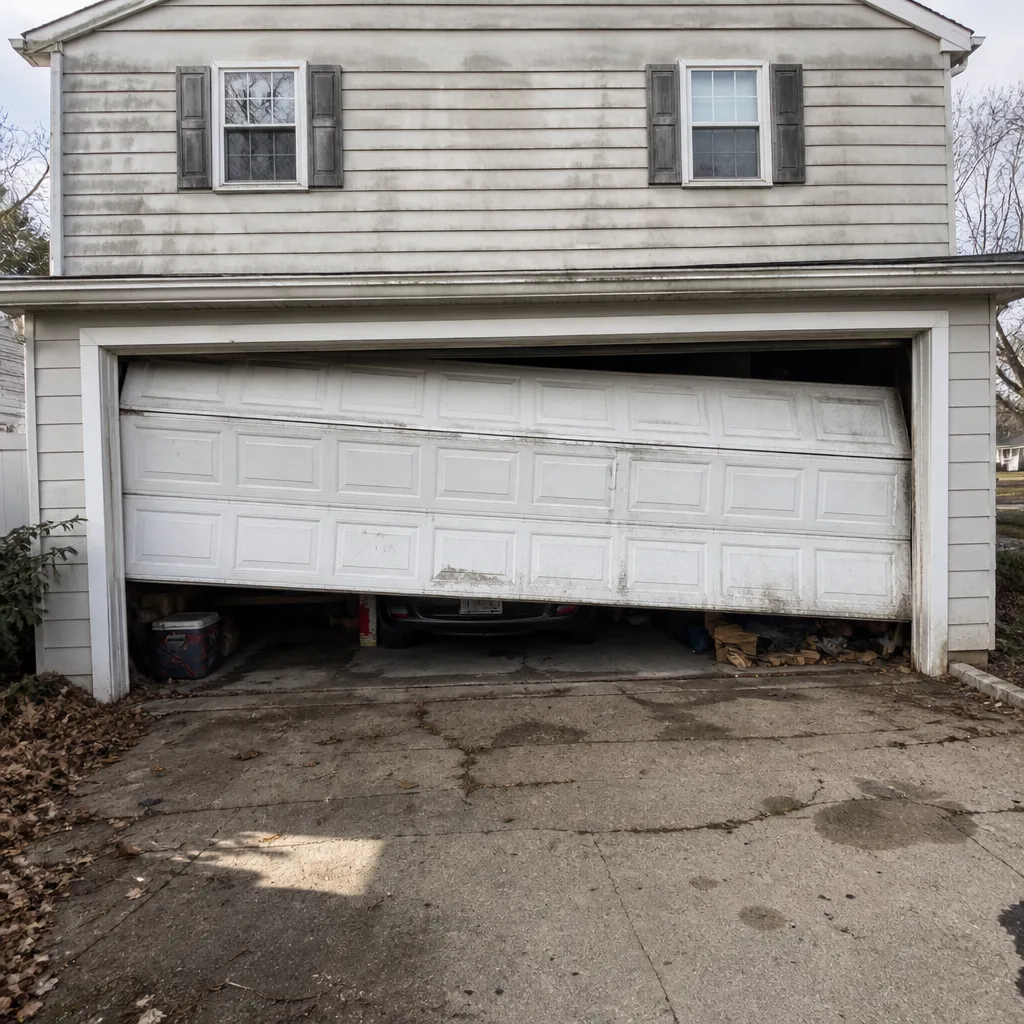 Before
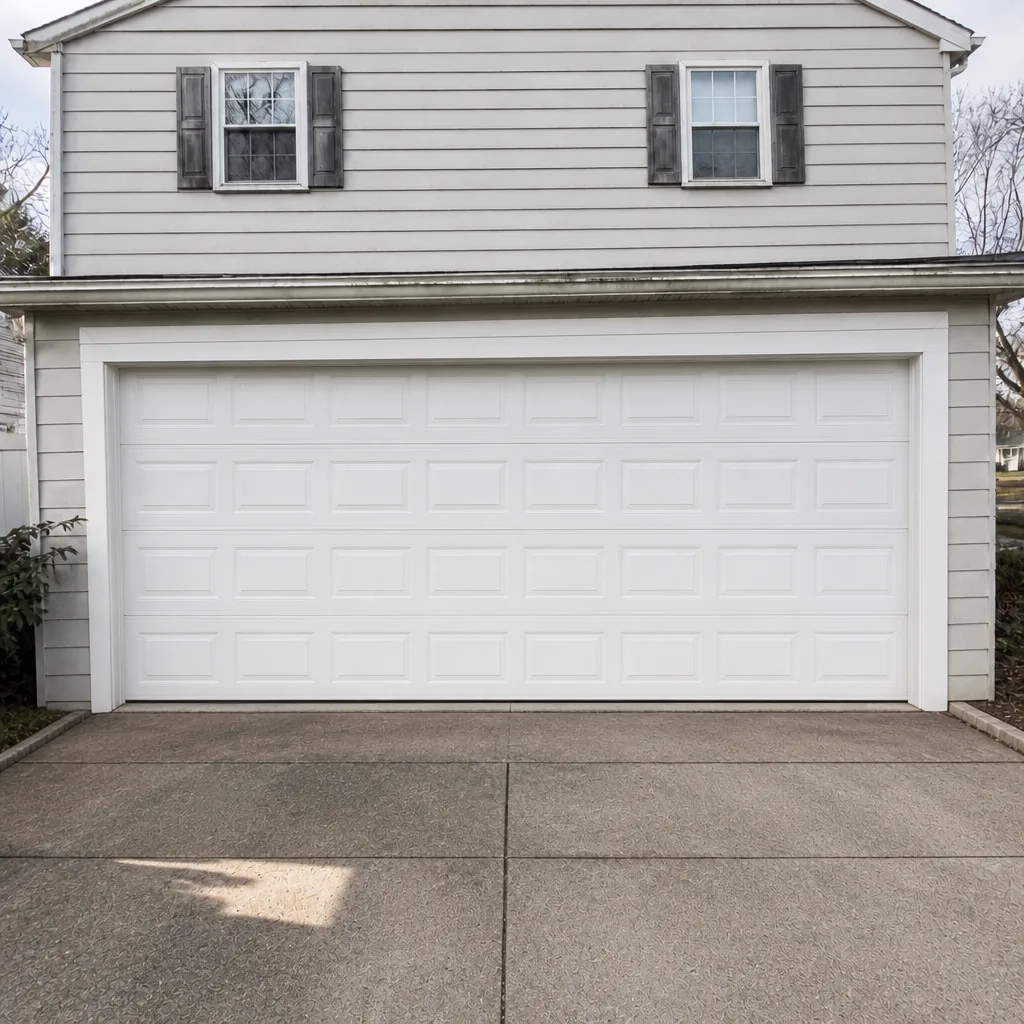 After
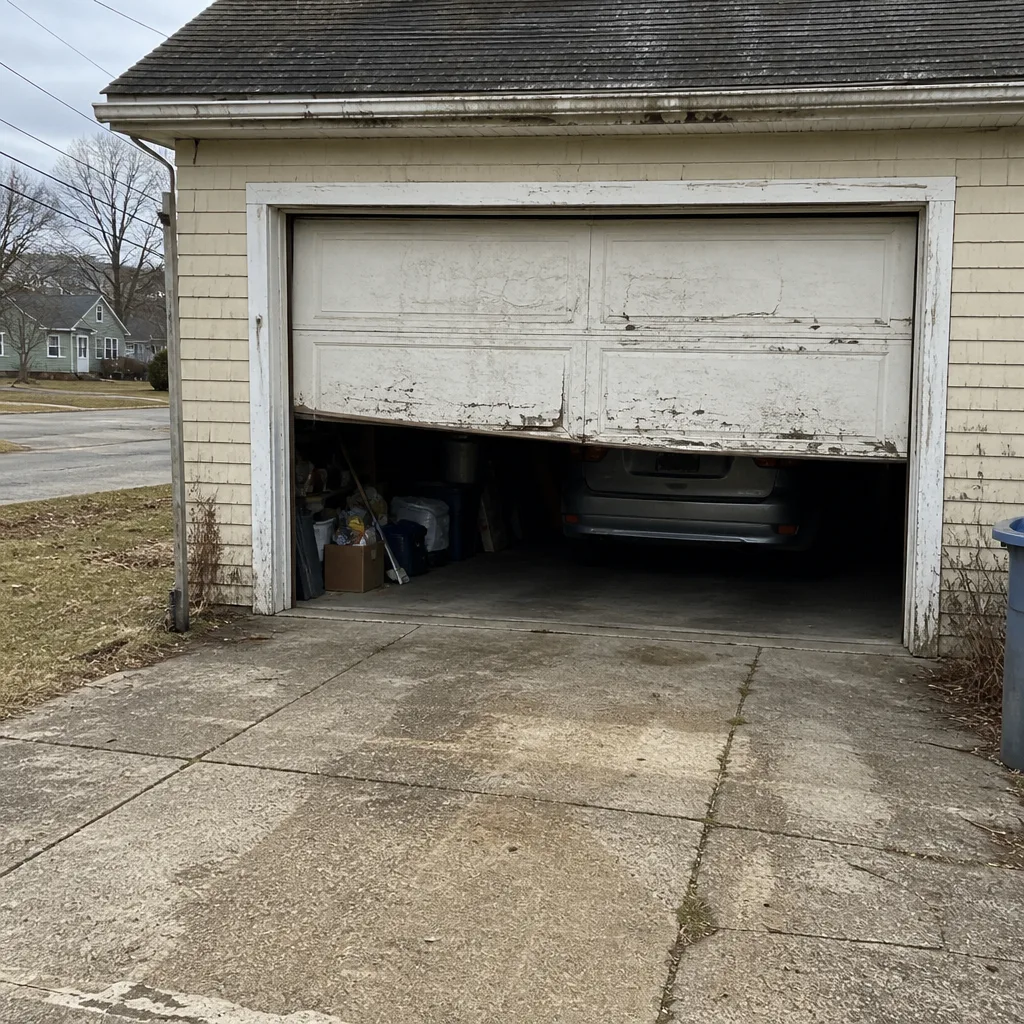 Before
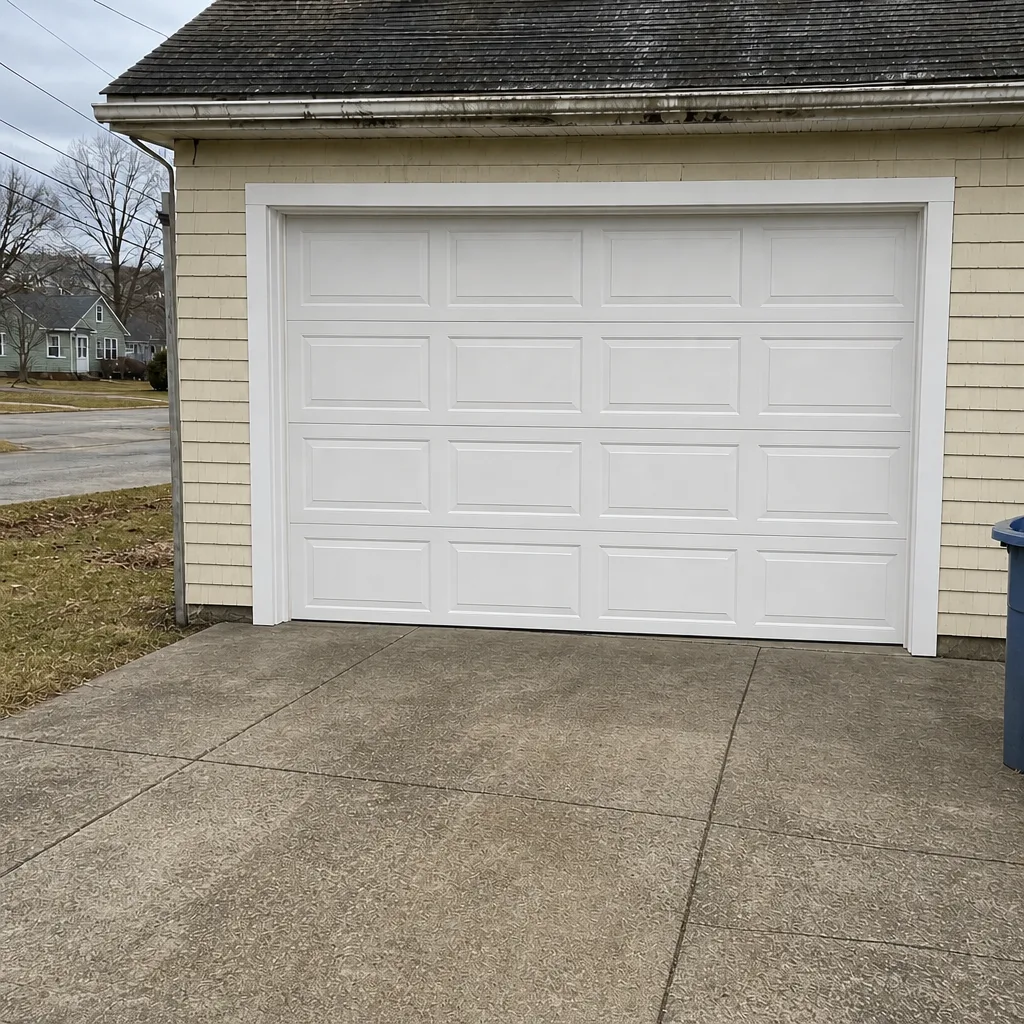 After
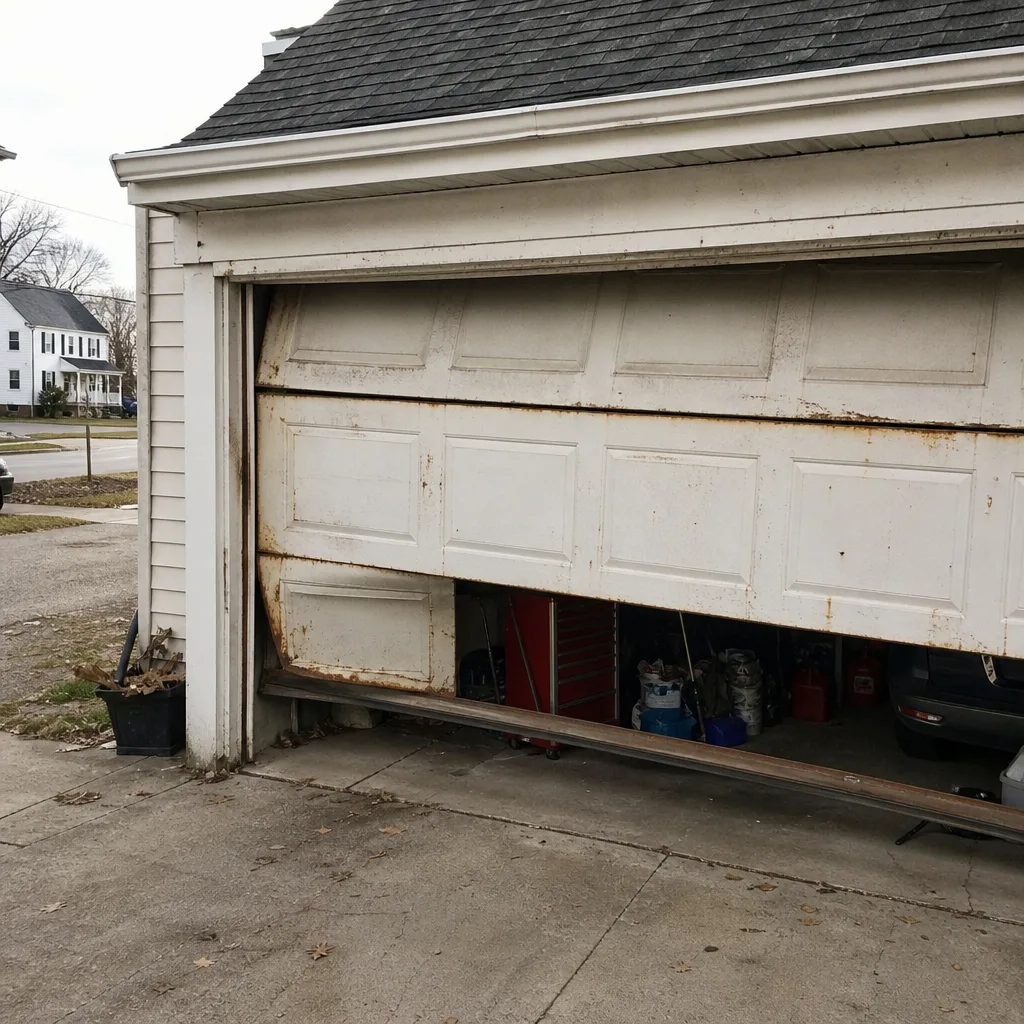 Before
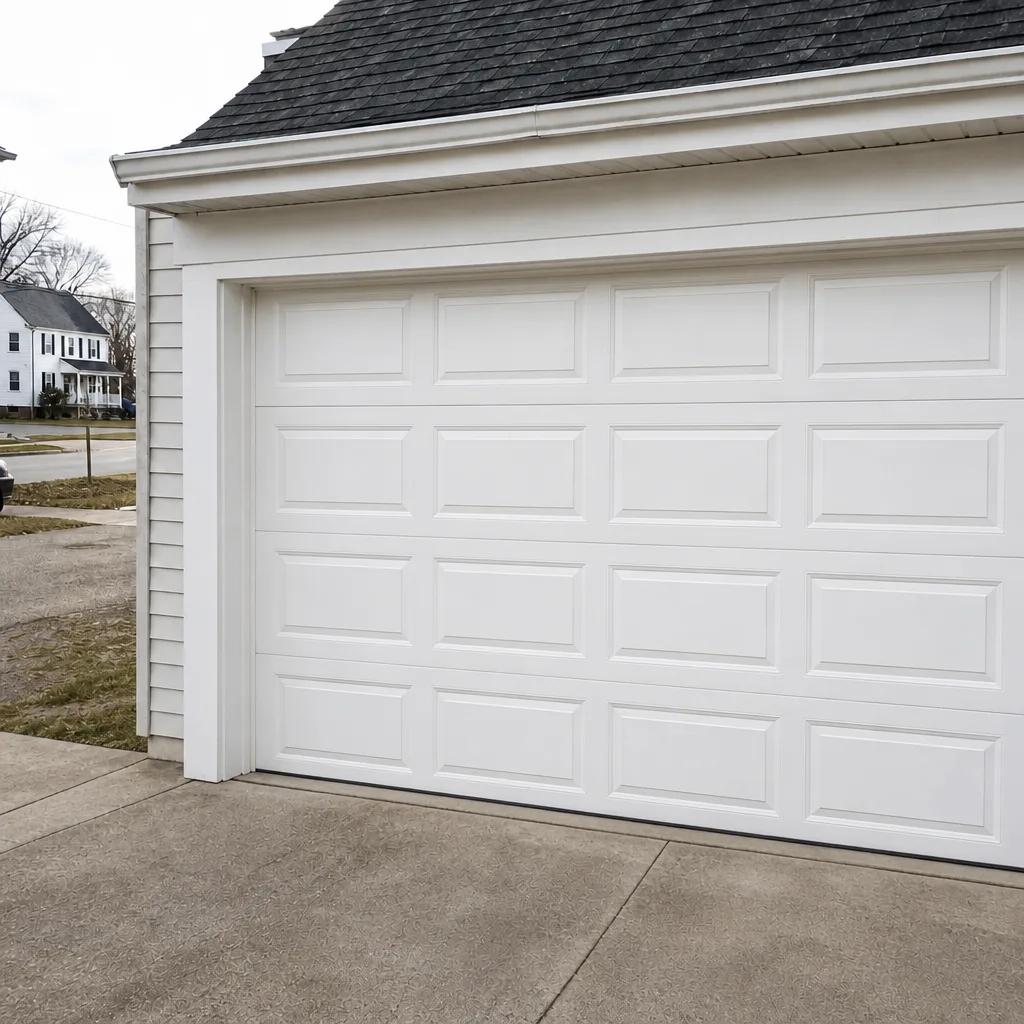 After