
Last updated November 21, 2026
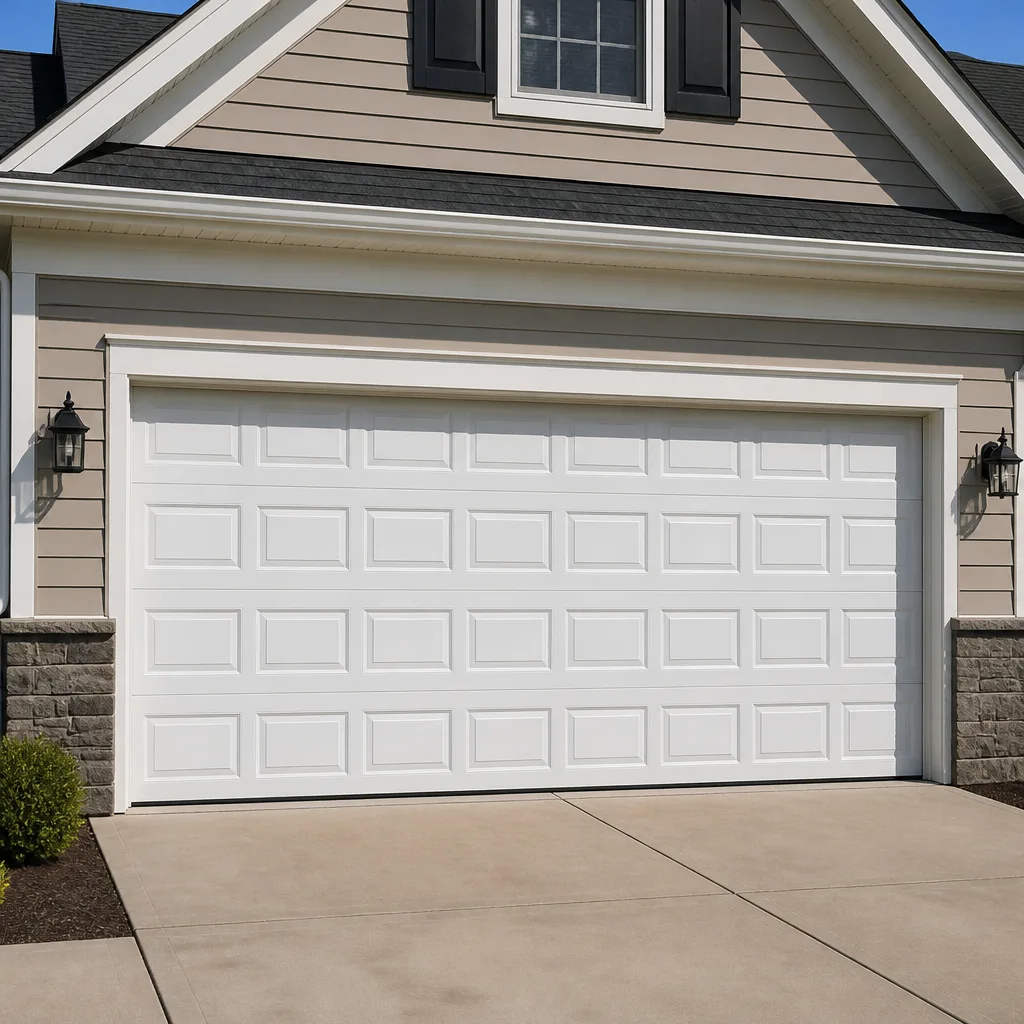 Raised-panel steel
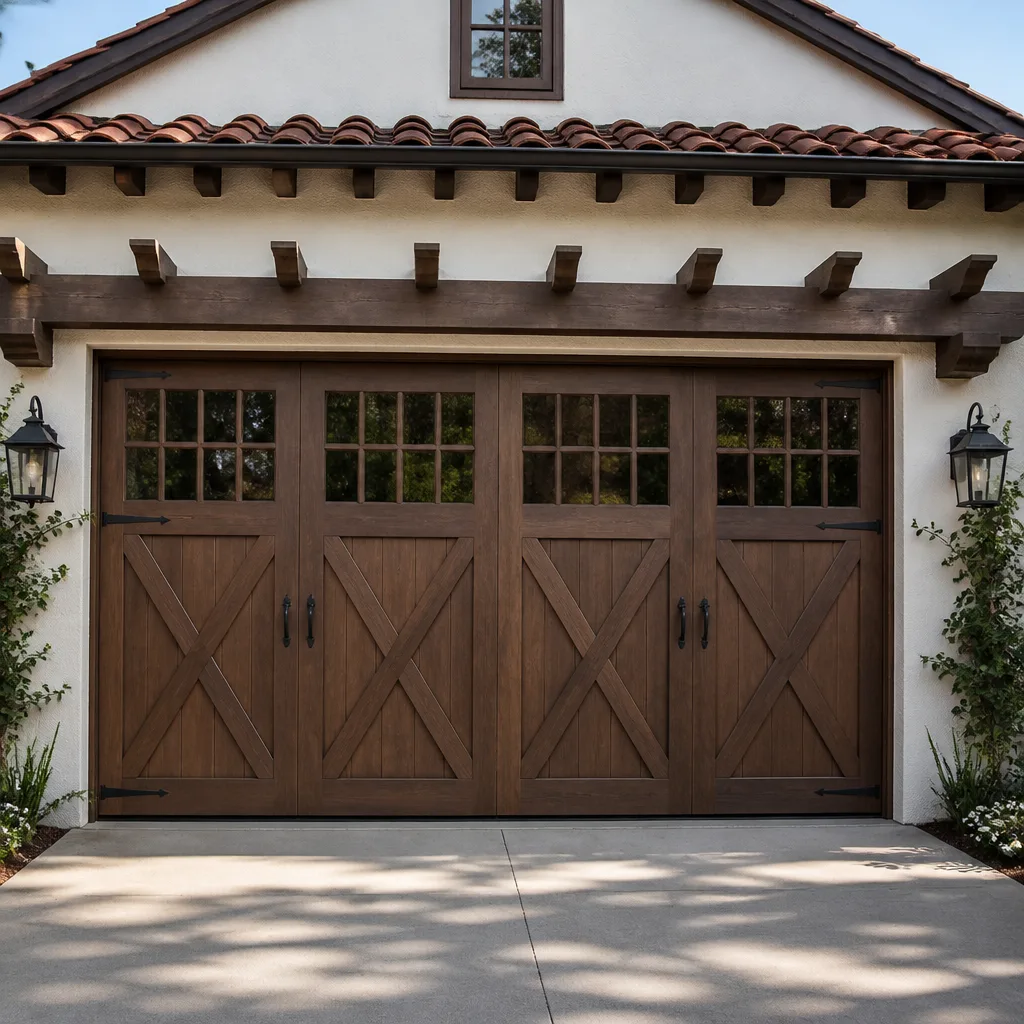 Carriage house
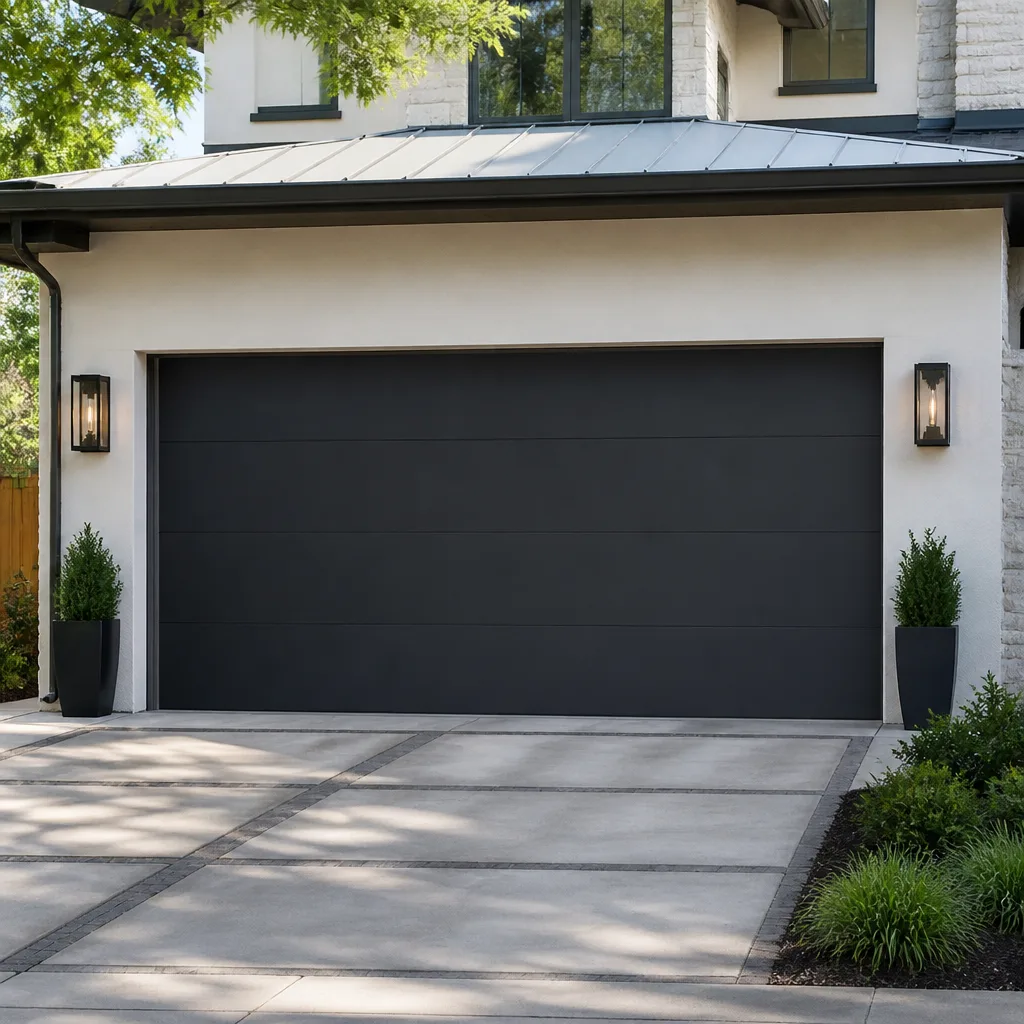 Modern flush
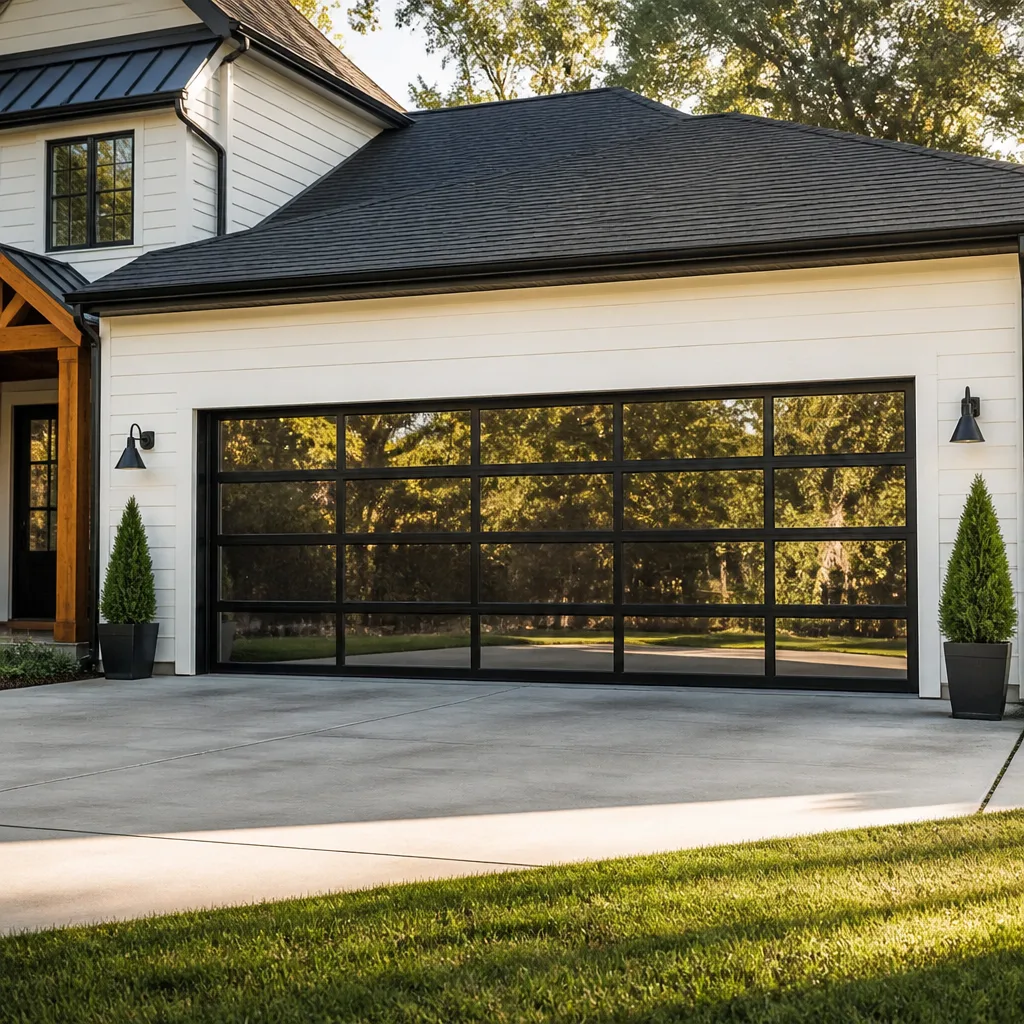 Full-view glass
 LiftMaster openers
 Chamberlain openers
Full 25-point door and opener safety check with every visit - springs, cables, rollers, tracks, and your LiftMaster or Chamberlain opener included
You get a price before we start. It does not change when the pro arrives.
Get your free estimateGarage Door Permits, Codes & Inspections in Providence, RI: What You Need to Know
A simple garage door panel swap needs no permit. A new door installation on a structural opening in Providence? That’s a different conversation, and getting it wrong shows up on your property record. Most homeowners we talk to assume the permit question answers itself: either every garage door project needs one, or none of them do. Neither is true. The line between a repair that needs no paperwork and an alteration that requires a building permit runs through how the opening itself changes, and it’s the single most misunderstood detail in this trade. This guide walks through that threshold, the Rhode Island code sections that govern automatic openers, what a Providence inspection actually checks, and how unpermitted work surfaces when you sell. You’ll finish knowing which category your project falls into and how to confirm it with the city.
Quick Answer
In Providence, replacing a garage door in the same opening, with the same dimensions, is normally treated as a repair and does not require a building permit. Changing the structural opening (widening, raising the header, adding a new opening, or converting a carport) requires a building permit and inspection. Any new or replacement automatic garage door opener must meet Rhode Island’s adoption of the residential code entrapment protection and force-reversal requirements regardless of permit status. When in doubt, call Providence’s building department and describe the job in those terms: same opening or changed opening.
Styles & brands we work with
- Raised-panel steel
- Carriage house
- Modern flush
- Full-view glass
- LiftMaster openers
- Chamberlain openers
Table of Contents
- Repair vs. Alteration: Where Providence Draws the Line
- When You Actually Need a Permit in Providence
- Rhode Island Code for Automatic Garage Door Openers
- What a Providence Garage Door Inspection Involves
- Checking Permit Status When Buying or Selling a Providence Home
- How Unpermitted Work Affects Homeowner’s Insurance
- How to Hire for Permit-Sensitive Work in Providence
- Providence Neighborhood Notes: Older Homes, Tight Lots, Real Constraints
Repair vs. Alteration: Where Providence Draws the Line
The word “repair” and the word “alteration” carry different weight in a building code, and the difference is structural, not cosmetic. A repair restores something to its existing condition. An alteration changes the size, shape, location or load path of a building element. For a garage door, that usually comes down to one question: does the rough opening stay the same?
Here’s how the two categories break down in practice for a typical Providence job:
- Repair (no permit typically): Replacing a damaged door with a same-size door in the existing opening. Swapping torsion or extension springs. Replacing rollers, hinges, cables, bottom brackets. Replacing an opener with a unit of the same type and track configuration.
- Alteration (permit typically required): Widening or heightening the rough opening. Cutting a new opening in a wall where none existed. Raising the header to fit a taller door. Converting a carport to an enclosed garage. Changing the structural support over the opening.
- Gray zone (call the city): Switching from a single door to two doors within the same overall wall opening, or vice versa. Changing door type in ways that shift the weight or the header load. Adding a new opener circuit where none existed.
The gray zone is where most confusion lives. Providence has a lot of older housing stock, particularly in neighborhoods like Federal Hill, Smith Hill and the West End, where garages were built to looser standards decades ago. A homeowner who widens an opening to fit a modern two-car door from a big-box store may cross the alteration threshold without realizing it. That’s not a cosmetic detail; it’s a structural change to a load-bearing wall.
In our experience, the fastest way to settle the question is to describe your project to the city’s building department using repair-vs-alteration language. Say: “I’m replacing the door in the same opening” or “I’m changing the opening.” Those two sentences get you a clear answer faster than describing colors and brands.
When You Actually Need a Permit in Providence
You need a permit in Providence when the project changes the structure of the opening or the framing around it. You do not need one when you’re swapping a door within the same opening or performing routine maintenance. The list below is the practical version of that rule.
- New garage construction or an added bay: Permit required. This is a structural addition and triggers framing, electrical and inspection reviews.
- Widening, raising or reshaping the rough opening: Permit required. Header size, jack studs and load path all change.
- Converting a carport to an enclosed garage: Permit required. Walls, roof, electrical and sometimes egress requirements all come into play.
- Replacing a door into the same rough opening: Permit typically not required, though some jurisdictions want notification if the door size changes even slightly. Confirm with Providence directly.
- Replacing torsion or extension springs: Permit not required. This is maintenance-level work, and it’s also the highest-injury item on the list when attempted without proper tools.
- Replacing an opener with a same-type unit: Permit typically not required. Any new opener, however, must meet entrapment protection rules (see the code section below).
- Adding a new dedicated circuit for an opener where none existed: Electrical permit may be required. Confirm with the city’s electrical inspector.
The cost of a permit itself in Providence is modest compared to the cost of discovering later that a prior installation was never permitted. We’ve seen buyer inspections flag unpermitted garage work more often than people expect, and the resolution (retroactive permitting, sometimes opening walls to verify framing) can cost far more than the original permit would have. If you’re planning a garage door installation, have this conversation with your contractor before the door is ordered. It’s a two-minute call that saves weeks.
Rhode Island Code for Automatic Garage Door Openers
Rhode Island’s residential building code adopts the entrapment protection and force-reversal requirements found in the national model residential code. In plain terms: any automatic garage door opener installed today must have a means of stopping and reversing the door when it meets an obstruction, and it must have a secondary photoelectric safety sensor at the bottom of the opening. These requirements apply whether or not a permit is pulled. The code governs the installation, not the paperwork.
What does that mean for you practically?
- Force-reversal: When the door meets resistance on close, it must reverse within a specified force threshold. Openers are tested to this at the factory and again on install.
- Photoelectric sensors: The paired sensors mounted near the floor must be present, aligned and functional. A broken or blocked sensor is a code violation, not a nuisance.
- Secondary entrapment protection: The combination of force sensing plus sensors is what the code requires. Older openers with no sensors at all don’t meet the standard.
- Outdoor keypads and controls: Must not defeat the sensors. This matters on most Wisconsin-style mounting points, so pay attention during install.
Model codes update on a three-year cycle and Rhode Island adopts them through its own regulatory process, so this is one area where “most installers know the current version” is worth taking with a grain of salt. Ask your installer which code edition their opener install is designed to meet. If you’re working with a LiftMaster or Genie system, the manufacturer’s installation manual will state the required sensor placement and test procedure, and any established technician should be able to walk you through it.
This is also where a specialist matters more than a generalist. When we handle garage door opener repair or a fresh opener install, the sensor alignment and force test aren’t an afterthought: they’re the last thing we check before the truck leaves. Openers from LiftMaster, Chamberlain, Genie and Craftsman are the four most common on Providence properties, and each has slightly different sensor and force-reversal configuration. A technician who doesn’t work in garage doors daily can waste a lot of time guessing.
A specific safety note: force-reversal settings and travel limits are adjusted by trained hands using a proper test object. Do not test an opener’s reversal function with your body, your hand, or a child’s toy, and do not attempt to defeat or bypass the sensors. If the door doesn’t reverse, that’s a call, not a DIY project. The sensor itself is a low-voltage part, but the door and springs above it are not.
What a Providence Garage Door Inspection Involves
Most homeowners have never seen a garage door inspection described, and the phrase sounds more daunting than the reality. A Providence building inspection for a permitted garage door job is a visual and functional check, not a teardown. The inspector confirms that what was permitted is what was built, and that the door and opener operate safely according to code.
Here’s what the visit typically covers:
- Confirm rough opening dimensions: The opening matches the permitted dimensions.
- Verify structural changes: If a header was raised or a wall was modified, the framing matches the structural plan.
- Check door operation: Full open, full close, balance, travel.
- Test force-reversal and photoelectric sensors: The door reverses on obstruction and the sensors stop the close when blocked.
- Verify weathersealing and thresholds: Relevant for wind-driven rain concerns common in Providence’s climate.
- Confirm electrical work: Opener wiring and circuits are compliant if electrical was part of the scope.
The inspector is not there to grade the brand of door you chose, the finish, or the opener model. They’re there to confirm the door and opener meet minimum code and that the work matches what was permitted. A clean, organized install with the permit paperwork visible on-site generally moves quickly.
Two things we’d flag for a Providence homeowner going through this. First, weathersealing matters in this climate. Providence winters bring freeze-thaw cycles that work on every gap; a door without a proper bottom seal invites cold air, water and eventually ice into the opening. Second, older-providence properties in areas like Mount Pleasant and Elmwood sometimes have garages built out of alignment with the main structure, and a permitted alteration has to reconcile that. An inspector will not fail a door for the house being old, but the framing does need to hold.
Checking Permit Status When Buying or Selling a Providence Home
If you’re buying or selling a Providence home with an attached or detached garage, permit status is worth checking before closing. You can request permit records through the city’s building department, and the process is straightforward: identify the address, request the permit history for that property, and compare the records with what’s actually built. This is one of those steps that takes an hour and prevents months of friction.
A practical order of operations:
- Ask the seller to disclose: Any garage door or opener work done during their ownership, and whether permits were pulled. Disclosure documents are the first stop.
- Request permit records from the city: Provide the address and ask specifically about garage-related permits, both open and closed.
- Walk the garage yourself: Note the door brand, opener brand, track condition, and any evident structural changes to the opening. Compare it to what the permit record shows.
- If unpermitted work is found: Get a quote for bringing it into compliance, and treat that as a negotiation item. A door that’s the wrong size for the opening, or an opener installed without proper sensors, is a fixable deficiency, not a deal-breaker.
- Get a professional inspection: If the door shows signs of unpermitted alteration (mismatched studs, fresh framing, an opener with no sensors), have a specialist look before closing.
We’re on the call end of this conversation often enough to know that the buyer’s inspection flag is the moment the question surfaces, and by then the seller is motivated. If you’re in that position, calling to get the repair scoped is the right first step. For a general overview of how we handle repairs and the paperwork questions that come with them, see our garage door repair page.
How Unpermitted Work Affects Homeowner’s Insurance
Unpermitted garage door work is a slow-burn insurance issue rather than an immediate coverage killer, but Rhode Island insurers are asking about it more frequently at policy renewal and during claim investigations. The core exposure is straightforward: an insurer who discovers that a claimed-for loss involved an unpermitted alteration may question whether the alteration itself contributed to the loss, and coverage can be limited or denied in specific circumstances.
Here’s where this bites in practice:
- Structural alterations: If you widened an opening without a permit and the framing later fails, the insurer’s investigator will look at whether the alteration met code. An unpermitted change puts the burden on you.
- Opener installs without sensors: A modern opener installed without photoelectric sensors is a code violation, and an injury or damage claim arising from that door will trigger insurer questions about the install.
- At resale: Buyers’ inspectors and their insurers are pulling permit records more consistently than a decade ago, and an unpermitted item can stall a sale or reopen a negotiation.
- At renewal: Some Rhode Island carriers now ask directly whether any structural work to the garage has been performed and permitted. Answer honestly, and have your records ready.
None of this is a reason to panic about an older door. It’s a reason to check before you sell, and to have the paperwork right the first time. A permit for a same-opening door replacement is often not required; that’s the good news. Where the permit question does apply, pulling it protects you at claim time and at closing.
How to Hire for Permit-Sensitive Work in Providence
Garage doors are a specialty trade, and the permit question is one test of whether the person you’re hiring treats that appropriately. A general handyman may be able to replace a spring; a garage door professional will know whether the job needs a permit, what the inspection will check, and how to handle the paperwork without hand-holding. That’s the practical reason to work with a single-trade specialist.
When you’re vetting a contractor for a Providence garage door project, ask these questions:
- “Is a permit needed for what I’m describing?” The answer should be framed in repair-vs-alteration terms, not generic reassurance.
- “Will you pull the permit if it’s needed?” Some contractors ask the homeowner to pull it. It’s cleaner when the contractor handles it.
- “What code edition do you install openers to?” A technician working with LiftMaster, Chamberlain or Raynor systems should be able to tell you the entrapment protection requirements their install meets.
- “What happens if the inspection finds a problem?” A competent contractor will fix it without an extra invoice, because the permit and inspection are part of the job, not an add-on.
- “Is this job quoted in writing before work begins?” Any garage door project, permit or not, should be priced in a written estimate that you agree to before anyone touches the door.
Our technicians have up to 13 years of experience with eight major brands: LiftMaster, Chamberlain, Genie, Clopay, Amarr, Wayne Dalton, Craftsman and Raynor. That’s not a talking point, it’s a permit-relevant capability. A door in the wrong size for the opening or an opener installed without sensors is a code problem, and code problems get solved faster by someone who sees them routinely.
We’re the team at Providence Garage Door Repair Co, and our entire practice is garage doors. Repair, opener work, springs, installation and emergency service are the only services we offer. When the permit question is ambiguous, our tendency is to recommend the homeowner confirm with the city directly; we’re glad to explain what we’d tell the city on your behalf, and we’re glad to pull a permit for a job that needs one.
Providence Neighborhood Notes: Older Homes, Tight Lots, Real Constraints
Providence is an old city with an unusually wide range of garage configurations, and the older neighborhoods change the permit conversation in ways the code doesn’t anticipate. On Federal Hill and in the West End, garages are often narrow, deep and attached to the main structure in ways that predate modern setback rules. In Mount Pleasant and Elmwood, you’ll find detached garages well-suited to standard 8- or 9-foot doors. Along the East Side, some properties have garages tucked below grade or framed to match the house’s architecture in ways that complicate any alteration.
What does that mean for the permit question?
- Small openings: A door that fits must match the opening exactly. A double-car door cannot be trimmed into a space built for a single. If a homeowner tries, they’ve crossed into alteration.
- Architectural alignment: Older neighborhoods often have garage doors finished to match the home’s trim or facade. Replacement doors in the same opening are a repair; changing the facade in a way that alters the opening is not.
- Weather: Providence sits in a climate with regular winter freeze-thaw. Bottom seals, thresholds and weatherstripping matter for both energy and inspection purposes.
- Alley and lot constraints: Some installations can’t be accessed cleanly for inspections without coordination. It’s worth flagging that when you book the job.
We’re in Providence regularly enough to know that the conservative habit is best: when a job looks like an alteration on an older property, we treat it as one. If the city says no permit is needed, we proceed. If they say it is, we pull it. That approach protects the homeowner, and it keeps the property record clean.
Common Mistakes to Avoid
- Assuming all door replacements are permit-free. Most same-opening replacements are, but anything that changes the opening is not. Ask the city before ordering the door.
- Skipping the permit to save time. A permit is the smallest cost in the project; discovering the work was unpermitted at resale is the largest.
- Installing a modern opener without photoelectric sensors. It’s a code violation on any install, regardless of permitting status, and a safety hazard.
- Not checking the prior permit history when buying a Providence home. One call to the city’s building department takes minutes and can prevent a stalled closing.
- Buying a door whose size doesn’t match the existing opening. Trimming the opening is a structural alteration; buy to fit.
- Testing a door’s force-reversal with your body. Use a proper test object, or leave it to a trained technician. This is the safest habit a homeowner can adopt.
- Hiring a generalist for a permit-sensitive job. A garage door specialist will know whether a permit applies, and will handle the paperwork cleanly.
See the difference
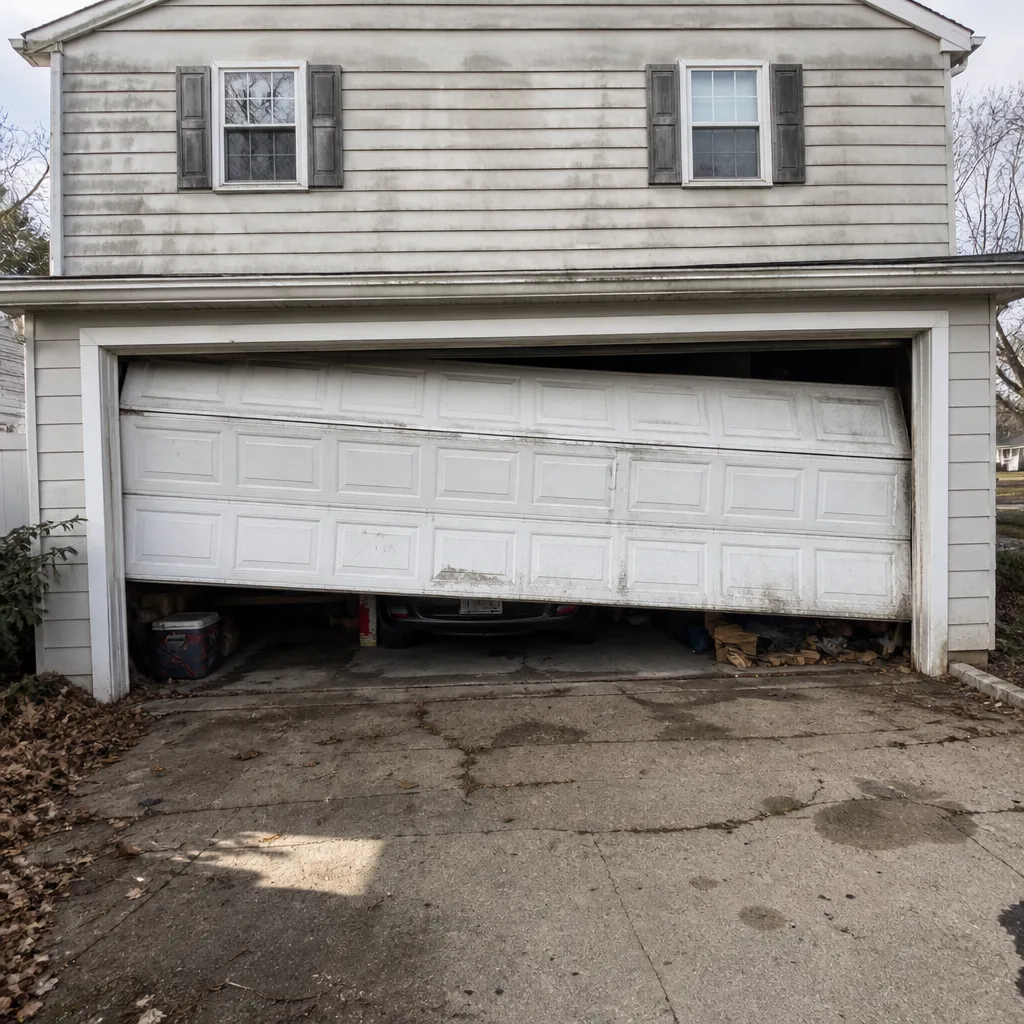 Before
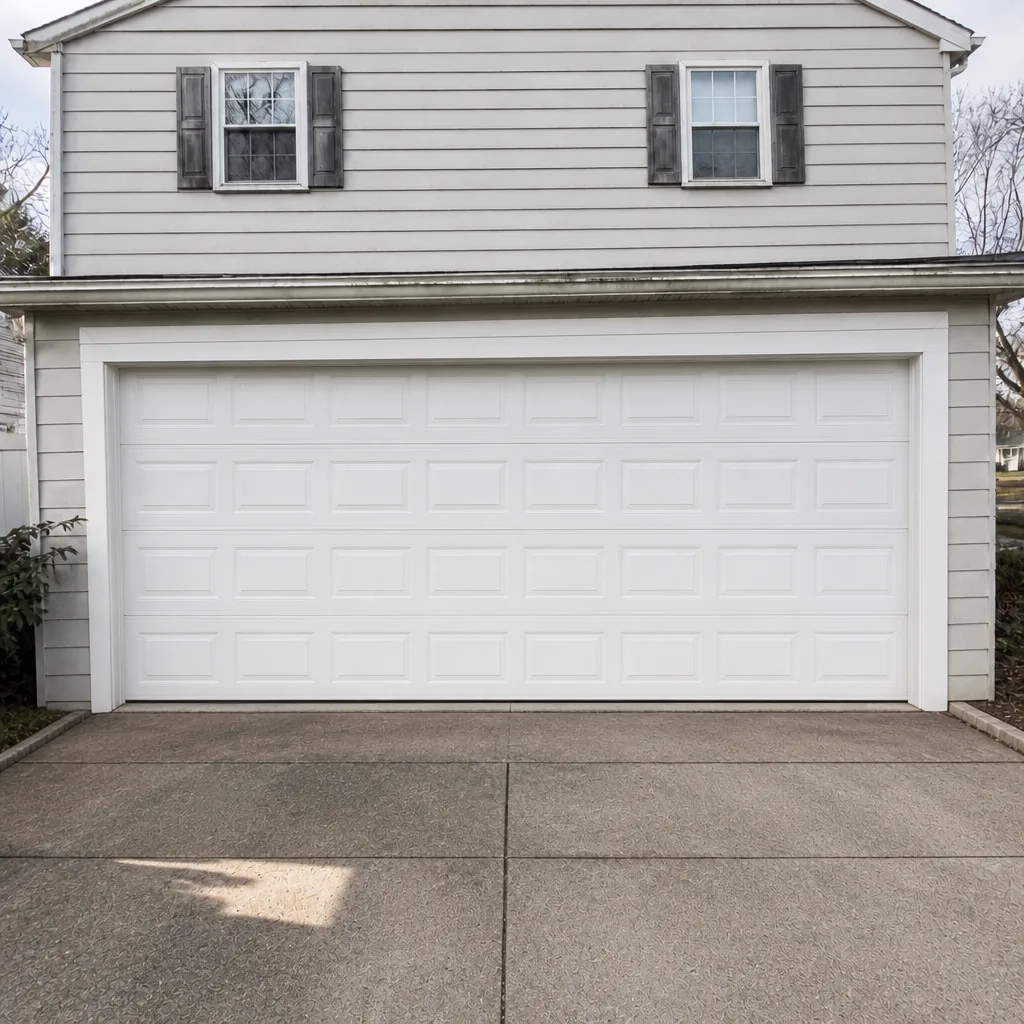 After
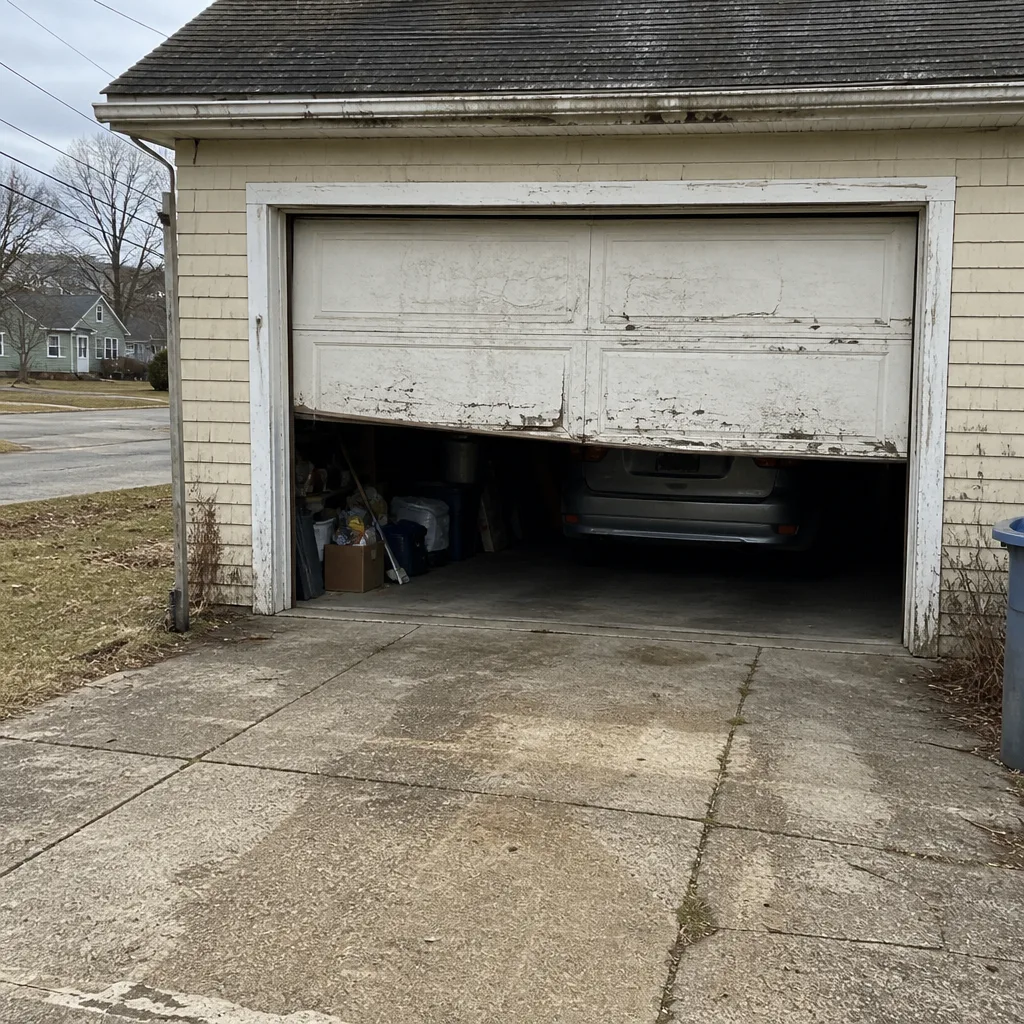 Before
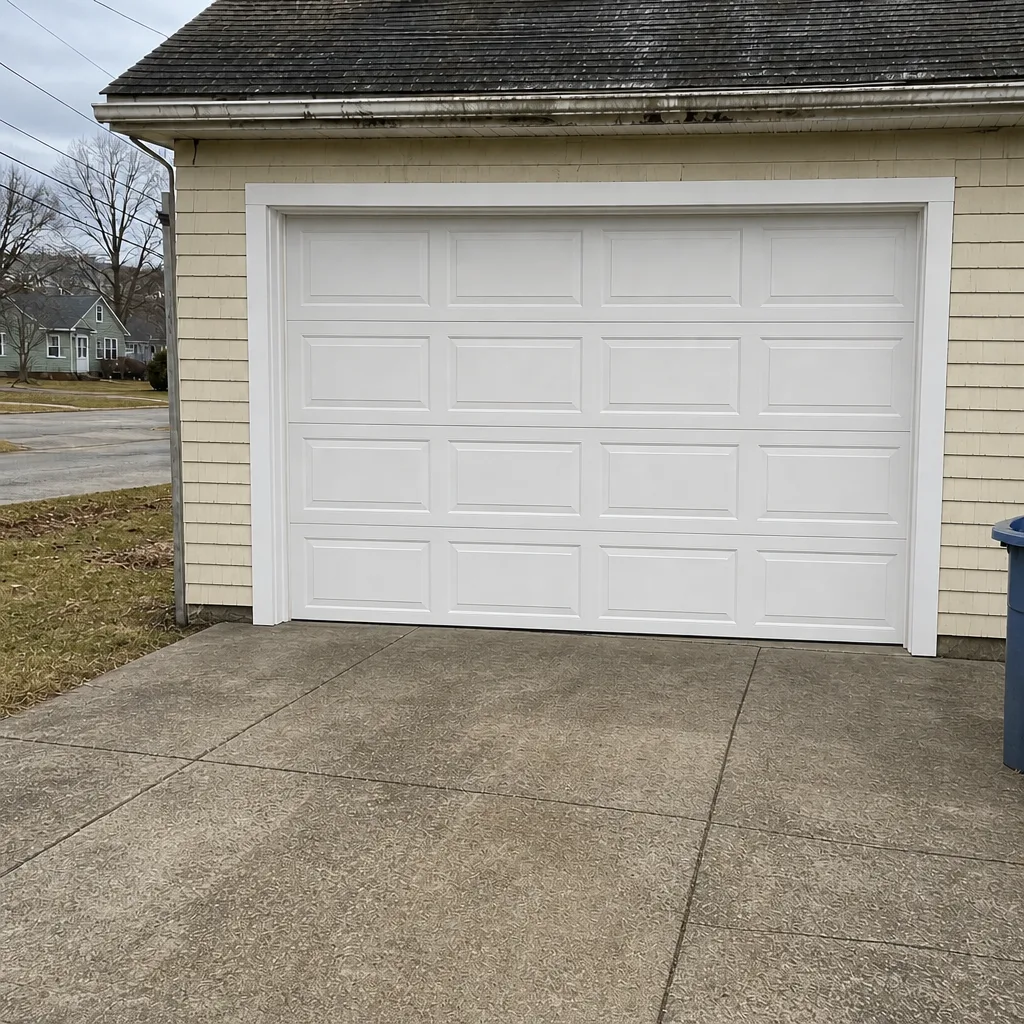 After
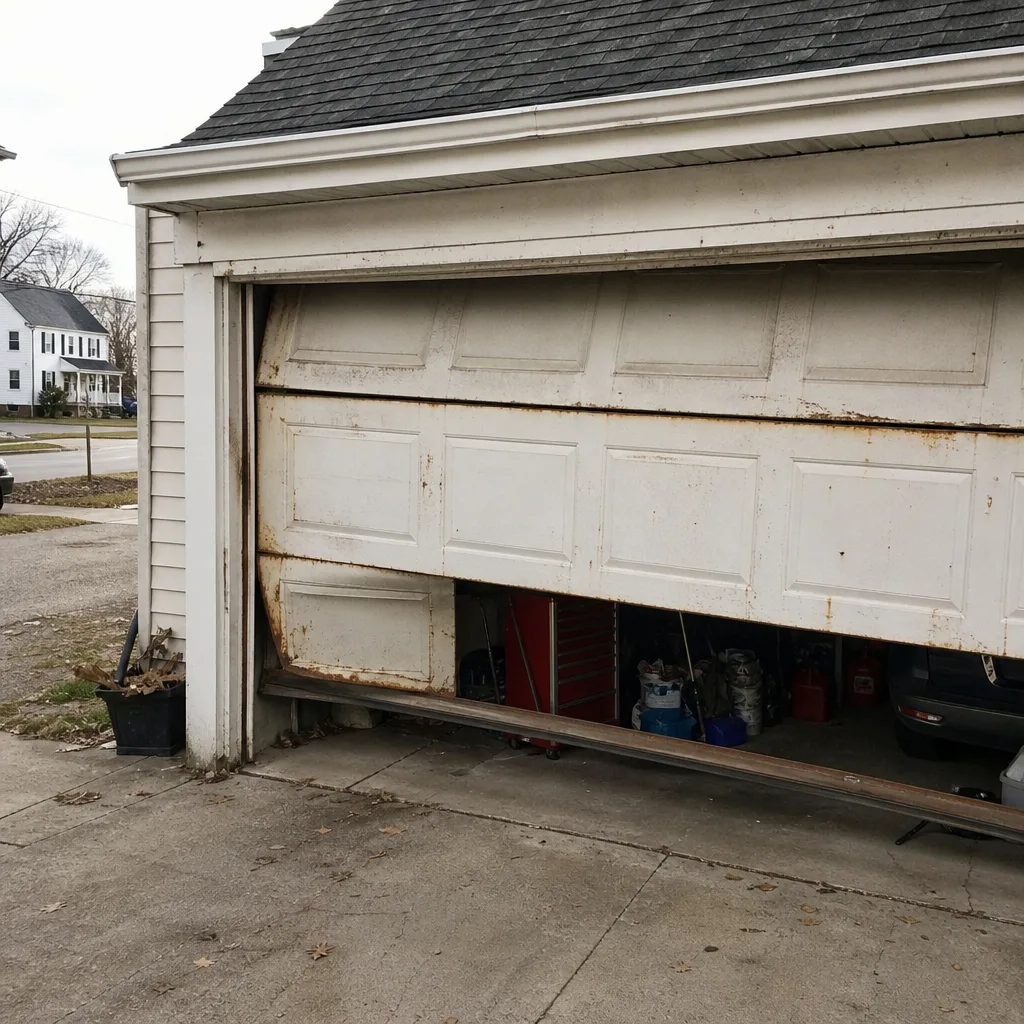 Before
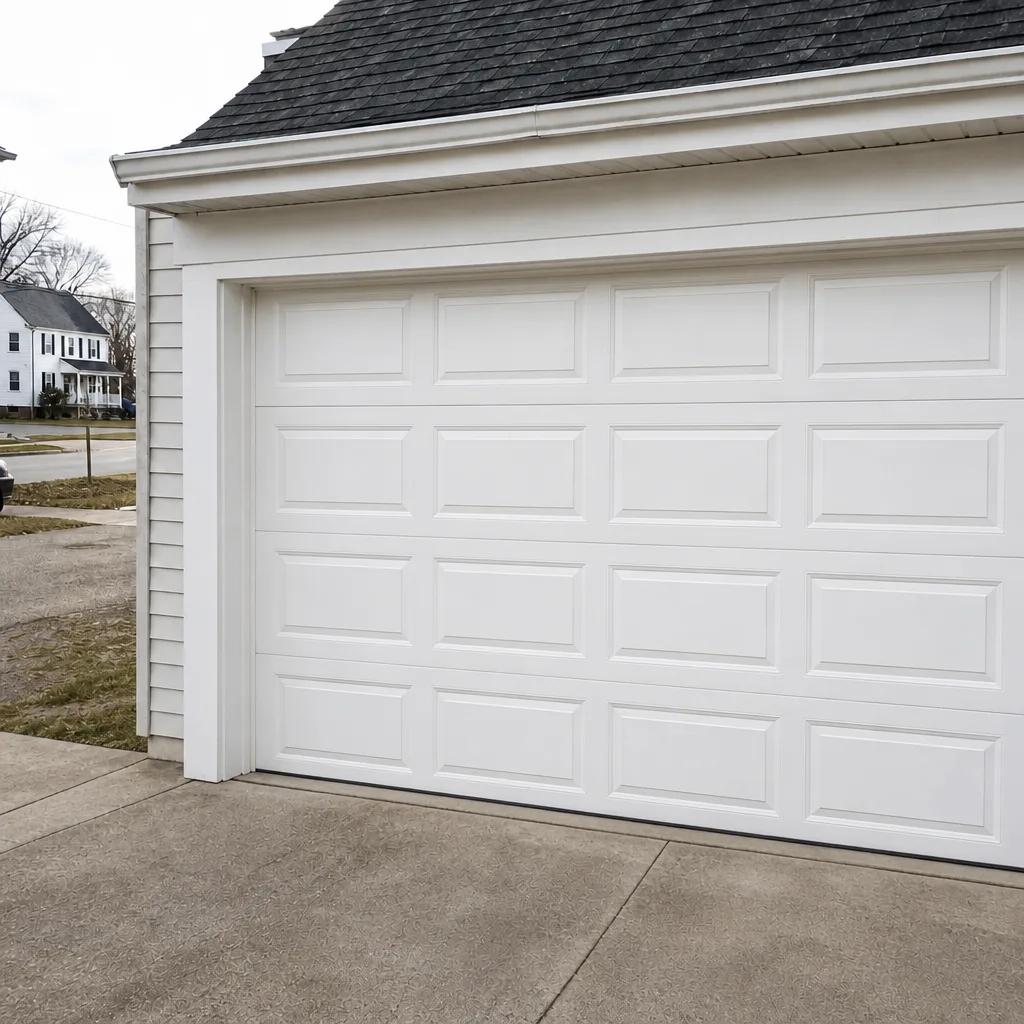 After
When to Call a Professional
Call a garage door professional when the job involves anything structural about the opening, when an opener needs replacing or its safety sensors need attention, when a spring or cable fails, and when a door won’t secure the home. Permits are one topic; the actual work still has to be done correctly. The riskiest items (torsion springs, cables, opener travel limits) are dangerous, and a specialist is the right call.
We’ve worked in Providence long enough to have seen how jobs usually go in this climate and housing stock: older doors that need a full replacement, modern openers that need configuration, and lots of questions about what the city requires. If you’re in the middle of a permit question and just need someone to look at the door and tell you what the job involves, that’s a free estimate.
Providence Garage Door Repair Co offers free estimates in Providence. Call (844) 954-3433 to book one. We answer 24/7, and fast dispatch from 7am to 7pm, Sunday through Friday. The price is quoted and agreed before any work starts, and the written estimate sets the final price.
Frequently Asked Questions
Usually no, if you’re replacing a door in the same rough opening with the same dimensions. A permit is typically required when the opening changes size, a new opening is cut, or the structural framing around the door is altered. Confirm with Providence’s building department before ordering the door. Call (844) 954-3433 if you’d like us to look at the opening and tell you which category your project falls into.
Request the permit history for the address from the city’s building department, then compare the permitted work against what’s actually built. If a door was replaced in the same opening, there may be no permit on record and nothing missing. If the opening was altered and no permit exists, that’s the flag to raise with the seller. Call (844) 954-3433 if you need a technician to inspect the install and walk through what you’re looking at.
Rhode Island’s residential code adopts the standard entrapment protection requirements: any automatic opener installed today must have force-reversal and photoelectric safety sensors at the bottom of the opening. This applies regardless of whether a permit is required. If your opener doesn’t have working sensors or doesn’t reverse on obstruction, that’s a code issue. Call (844) 954-3433 for an opener inspection. Estimates are free.
It can, particularly if a loss involves a structural alteration or an opener installed without required safety features. Insurers are asking more frequently at renewal and during claims. The cleanest protection is having the work done correctly and permitted where required. Call (844) 954-3433 if you want the install checked before renewal, and we’ll tell you what we see.
The inspector confirms the permitted scope, verifies the opening dimensions and framing where changed, checks the door’s operation, tests force-reversal and sensors, and confirms electrical work if it was in scope. It’s a visual and functional inspection, not a teardown. Call (844) 954-3433 if you want a pre-inspection look before the city visit.
Yes. Garage door emergencies (a door that won’t secure, a broken spring, a snapped cable) are a real service line, not an answering machine promise. Call (844) 954-3433. We answer 24/7, and fast dispatch from 7am to 7pm, Sunday through Friday. A call outside dispatch hours is booked into the next opening. The price is quoted and agreed before work starts.
The Bottom Line
In Providence, the permit question comes down to one comparison: is the opening staying the same, or is it changing? Same opening, same dimensions, same door in same place: that’s a repair, and a permit is typically not required. Changing the opening, raising the header, converting a carport, or altering the framing around the door: that’s an alteration, and it triggers a permit and inspection. Opener installs, whether permitted or not, must meet Rhode Island’s entrapment protection and force-reversal requirements. And on the resale and insurance side, having the paperwork in order costs little and protects plenty. When in doubt, call the city and describe the project in repair-vs-alteration terms. Our technicians have up to 13 years of experience across the eight major brands installed throughout Providence, and we’re glad to help scope it. Call (844) 954-3433 for a free estimate.
Written by the team at Providence Garage Door Repair Co.