
Last updated November 21, 2026
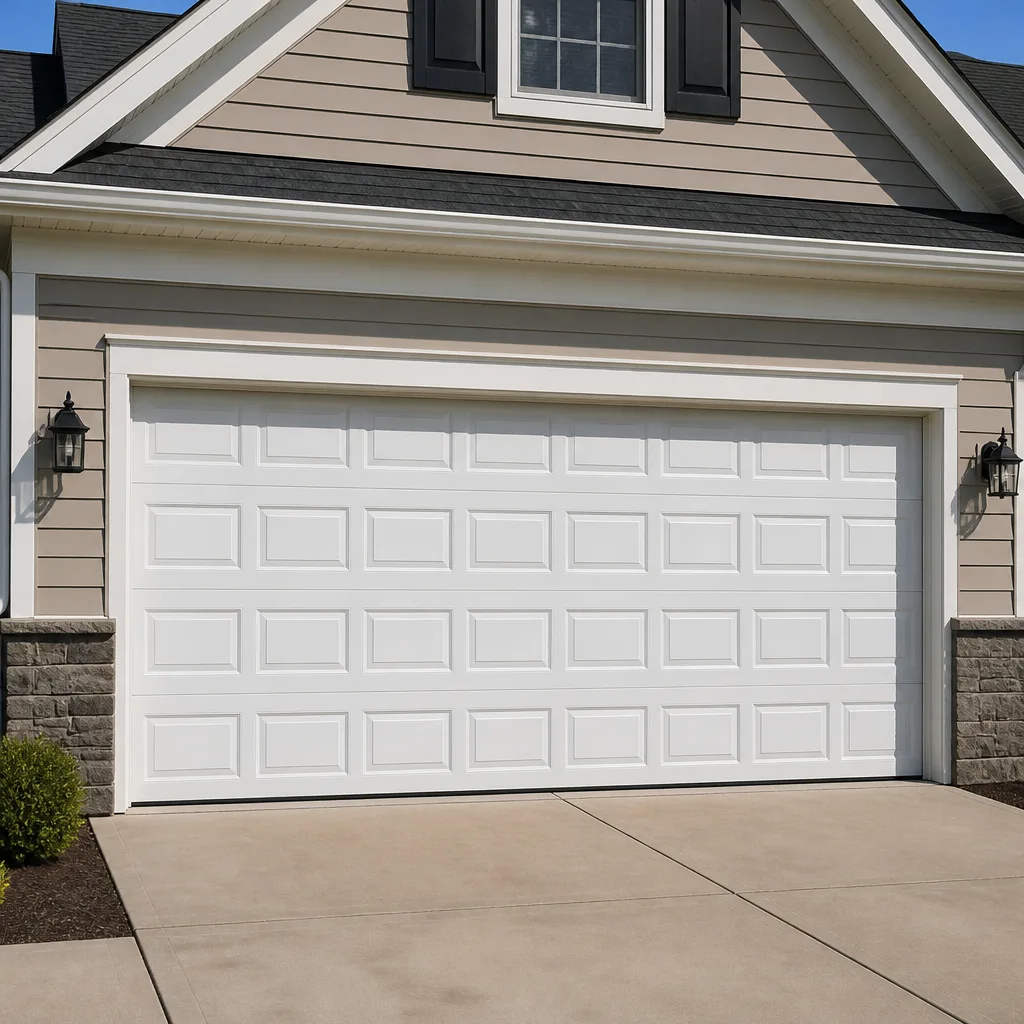 Raised-panel steel
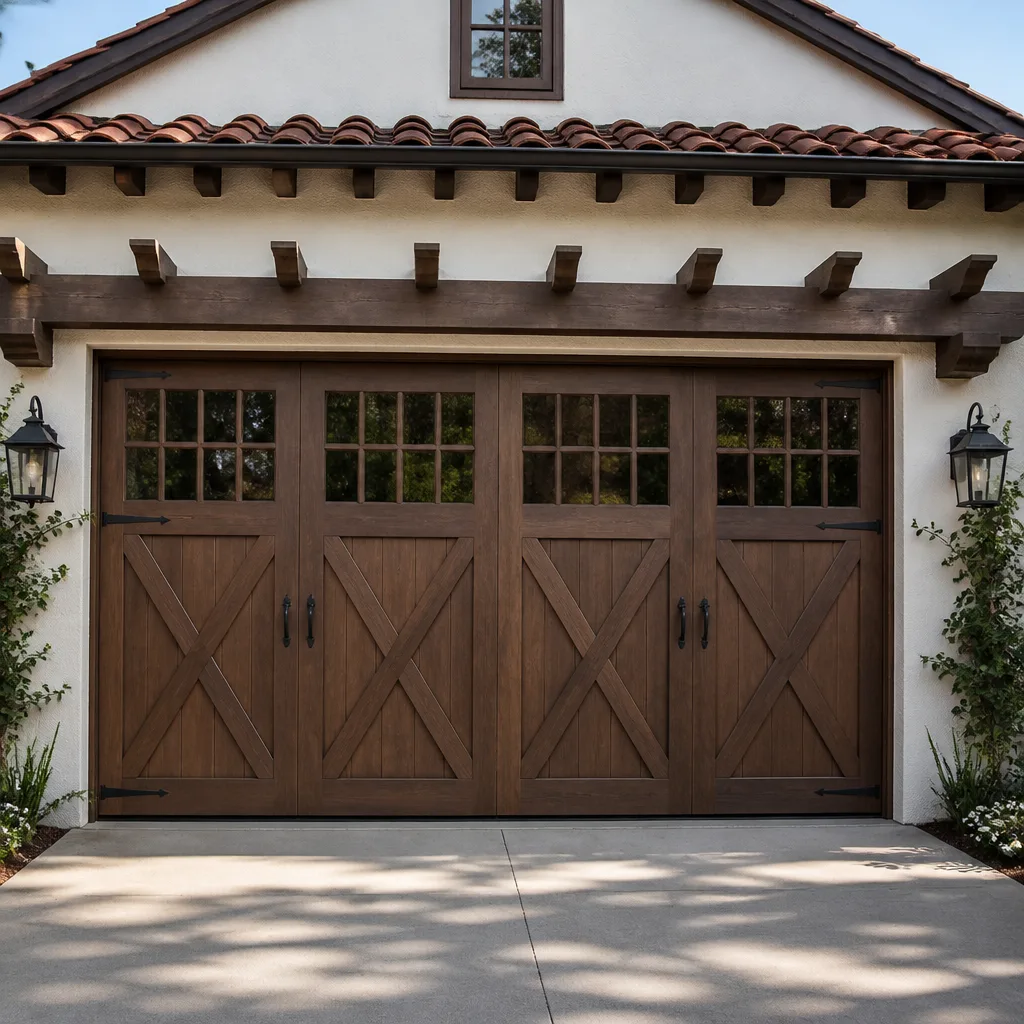 Carriage house
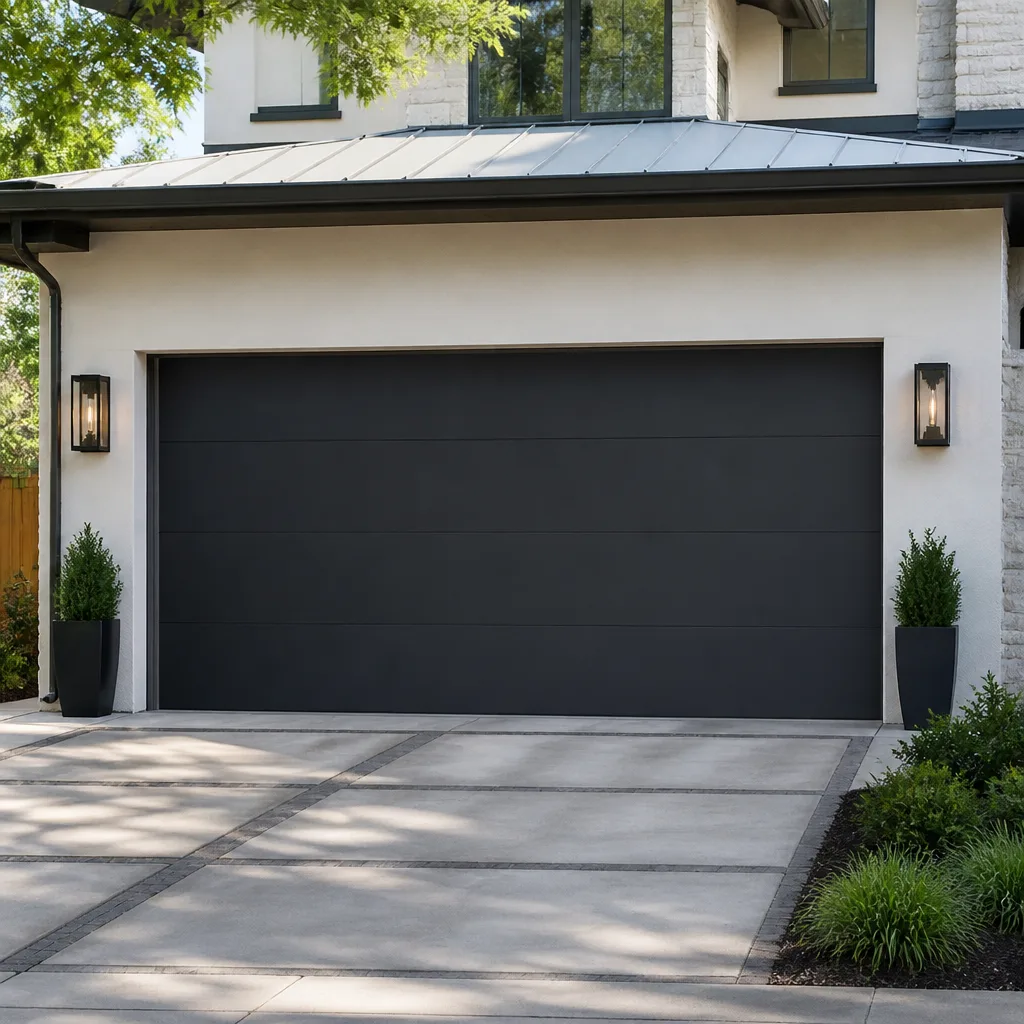 Modern flush
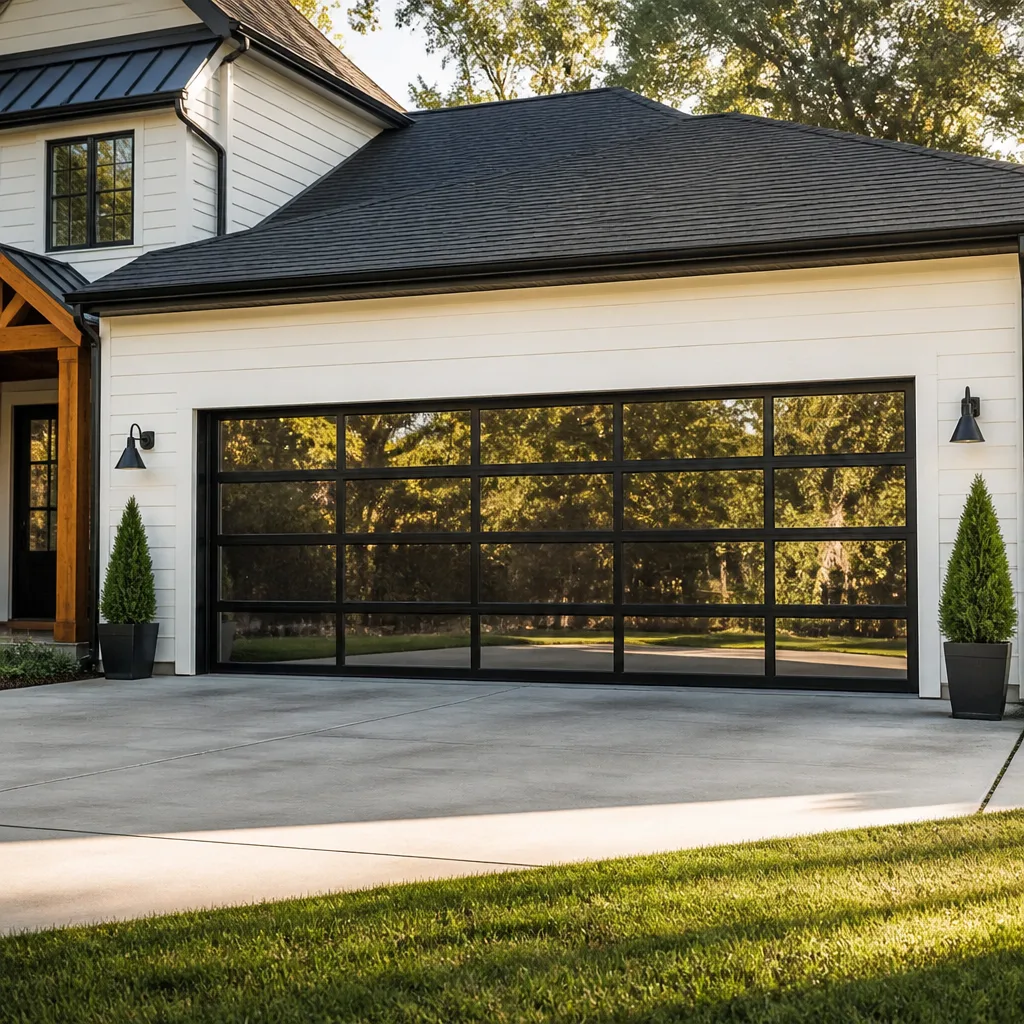 Full-view glass
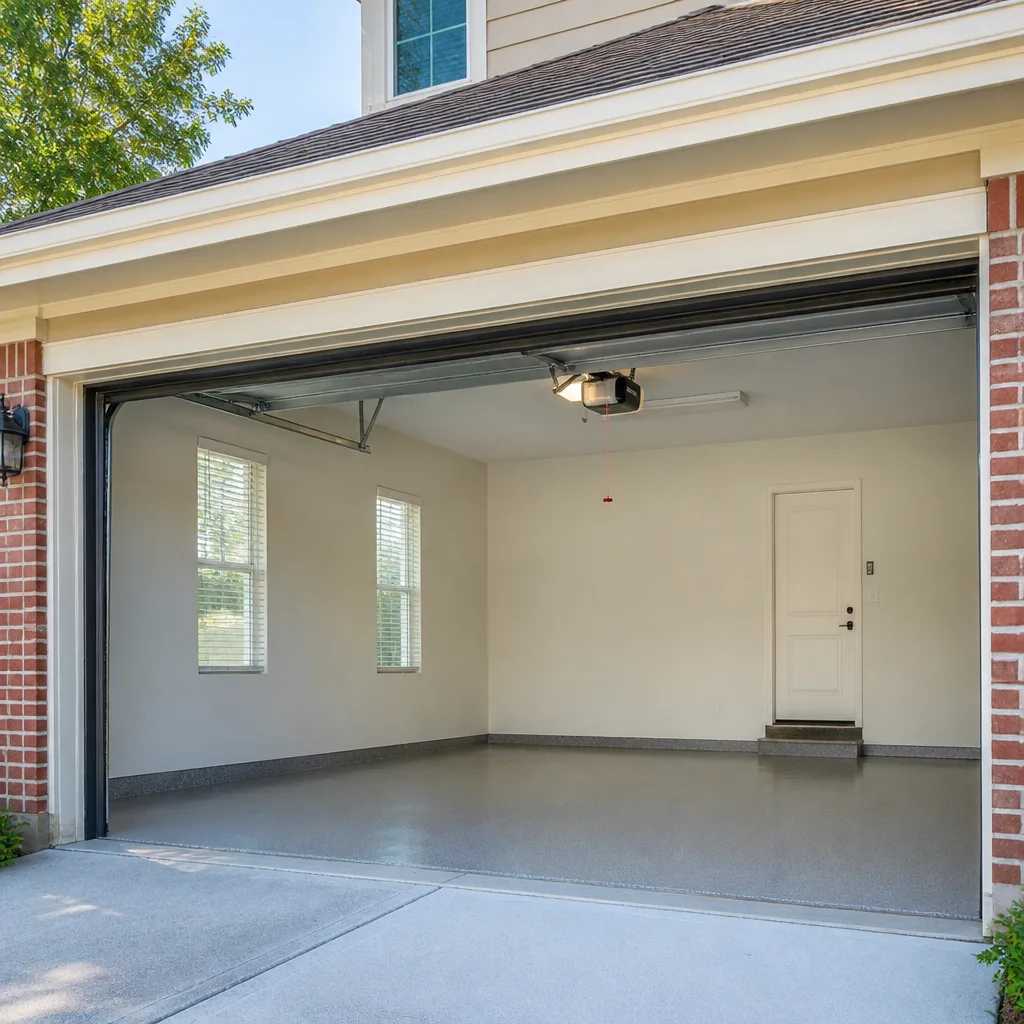 LiftMaster openers
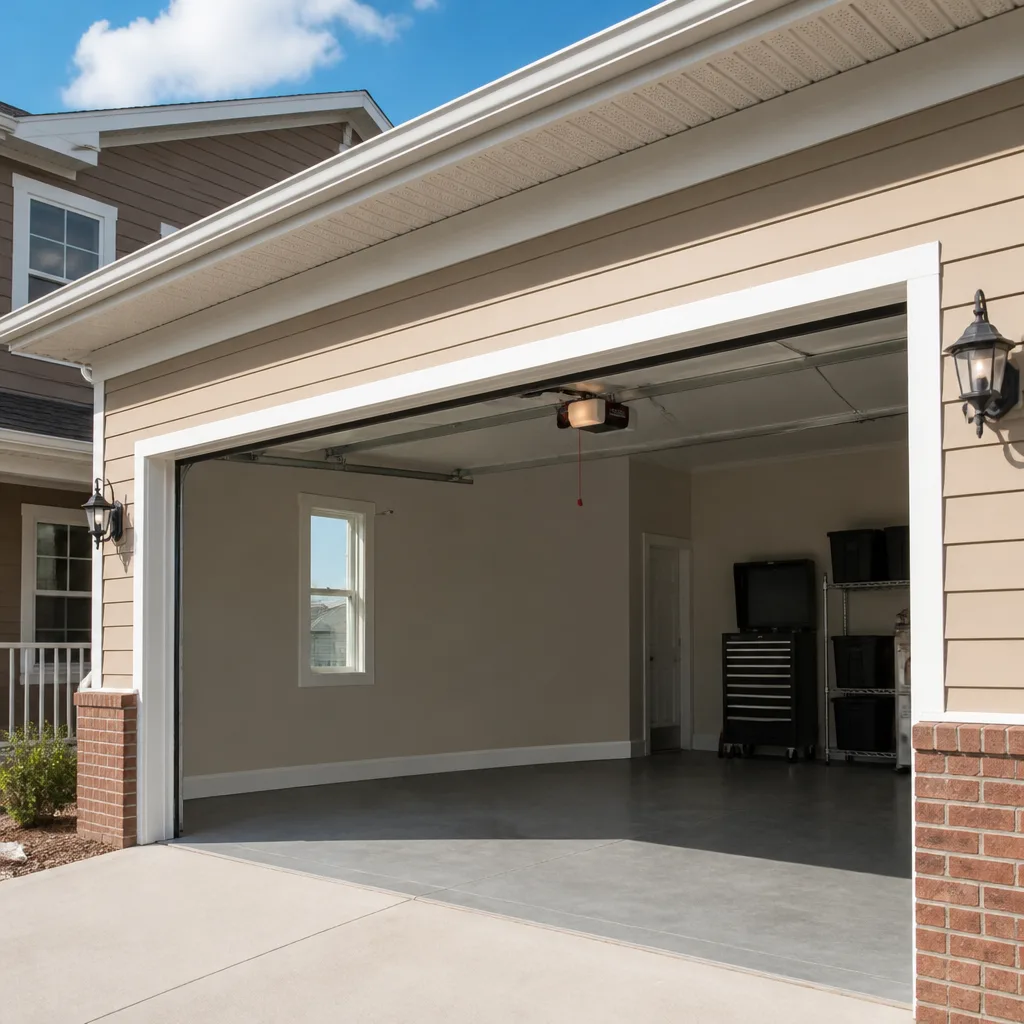 Chamberlain openers
Full 25-point door and opener safety check with every visit - springs, cables, rollers, tracks, and your LiftMaster or Chamberlain opener included
You get a price before we start. It does not change when the pro arrives.
Get your free estimateGarage Door Warning Signs: A Providence Homeowner’s Reference Guide
Most homeowners think a garage door fails suddenly. It doesn’t. A door that snaps a spring, drops off a cable, or stops reversing usually spent two to four weeks telling you it was about to. The problem is that the earliest warnings are quiet, and the loud ones everyone writes about are actually late-stage symptoms. By the time a door is banging or shaking, the failing part has often been complaining for weeks. This reference guide is organized the way we actually diagnose a door in Providence: component by component, from the subtle indicators to the emergency ones, so you can tell what’s wearing out before it becomes a locked-in, door-off-the-tracks problem.
Styles & brands we work with
- Raised-panel steel
- Carriage house
- Modern flush
- Full-view glass
- LiftMaster openers
- Chamberlain openers
Quick Answer
A garage door gives warning before it fails: sluggish or uneven movement, a door that lifts a few inches and stops, a gap between the door and the floor, frayed cables, worn rollers, or a grinding opener are the main early signs. Warning signs that need same-week attention include balance problems, a single snapped spring, or a door that won’t close fully; a door that drops, hangs crooked, or has a snapped cable is a safety emergency, so stop using it and call a professional. In Providence, cold January mornings and older housing stock make spring and cable problems more common than most homeowners expect.
Table of Contents
- How a Garage Door Signals a Problem Before It Fails
- Spring Warning Signs: The Early Tell Most Homeowners Miss
- Cable Warning Signs and the Ones That Are Emergencies
- Roller and Track Warning Signs
- Opener Warning Signs and What They Actually Mean
- The Visual Inspection Sequence: Where to Stand and What Normal Looks Like
- Why Cold-Morning Sluggishness Isn’t Always a Warning Sign
- Warning Sign vs. Safety Emergency: How to Tell the Difference
- Common Mistakes to Avoid
- When to Call a Professional
- Frequently Asked Questions
How a Garage Door Signals a Problem Before It Fails
A garage door is a system of moving parts under constant tension: springs that hold its weight, cables that carry that tension, rollers that keep it in the track, and an opener that does the lifting. When one part starts to wear, the others compensate, which is exactly why the first signs are so easy to miss. The door still opens. It just does it a little differently than it did last month.
In our experience across Providence, the sequence is predictable. Spring wear shows up first as imbalance: the door feels heavier, or the opener works harder to lift it. Cable wear shows up as a door that sits slightly off-level or moves in small jerks. Roller and track wear shows up as noise and vibration that gets louder over time. The opener is usually the last to complain, and by then it’s often reacting to a problem the springs and cables caused.
Why does this matter for a Providence homeowner? Because this is a city of older homes, tight driveways, and garages that double as the main way in and out. When a door fails here, it’s rarely a minor inconvenience. Here’s the pattern to watch for:
- Weeks 1 to 2: small changes. The door is slightly louder, slightly slower, or doesn’t sit perfectly level when closed.
- Weeks 2 to 4: the imbalance or noise becomes obvious. The opener strains, or the door reverses on its own.
- After week 4: the door stops mid-travel, won’t close fully, or a part gives way entirely.
Recognizing the early signs is what buys you the time to schedule a repair instead of making an emergency call. And it’s the difference between a repair and a full replacement. If you notice these changes, the next step is straightforward: garage door repair is almost always simpler and less expensive than fixing the damage after a failure.
Spring Warning Signs: The Early Tell Most Homeowners Miss
Springs carry the full weight of the door, so they’re the part most likely to fail and the part homeowners understand least. There are two types: torsion springs mounted on a bar above the door, and extension springs that run along the horizontal tracks. Both wear out with use, and both give warning before they snap.
Here are the early spring signs, in the order they usually appear:
- The door feels heavier than it used to. If you can lift it by hand and it fights you, the spring has lost tension.
- The opener labors. A strained opener motor is often the first outward sign of a weakening spring, not a failing opener.
- The door doesn’t stay open at half-height. A balanced door holds position when you lift it partway and let go; a door with a failing spring slides back down.
- A visible gap in the spring coil. A torsion spring with a small separation in the coil is already failing.
- Uneven closing. One side reaches the floor before the other, which points to unequal spring tension.
That last early tell is the one homeowners misattribute most often. A door that closes slightly crooked is usually a spring problem, not an opener problem, and waiting on it is what leads to the most preventable emergency calls in a Providence winter. Cold weather stiffens the metal and the grease in the tracks, so a spring that’s already weak underperforms in January and can finally give way.
Here’s the safety part, and it’s not optional. Torsion springs are under extreme tension, and a spring that lets go under load can cause serious injury. Never attempt to adjust, loosen, or replace a spring yourself. This is exactly the kind of job our technicians handle as a core service, with the proper tools and training. Spring replacement done safely is a professional job, full stop. If you’re seeing any of these signs, treat it as a call for a specialist rather than a weekend project.
Cable Warning Signs and the Ones That Are Emergencies
Cables are the muscles that carry spring tension to the door. They’re steel, but they fray and eventually snap, and the early warning signs are visual. You’ll need to look, not just listen.
- Frayed strands. A cable with a few broken wires poking out is on its way to failing. This is the clearest early sign.
- Rust or kinks. A cable that’s rusted, kinked, or hanging loose should be replaced as soon as possible.
- A cable that’s come off its drum. If the cable has slipped off the drum at the top of the door, the door is unbalanced and shouldn’t be operated.
- A door that hangs crooked. One side higher than the other usually means one cable has failed or gone slack.
The critical distinction here is between a warning sign and an emergency. A frayed but intact cable is a same-week repair. A snapped cable, or a cable hanging loose with the door uneven, is a safety emergency. The door can drop or come off its track, and it’s holding weight it wasn’t designed to hold. Stop using it and call a professional.
Providence’s older homes often have doors that are decades old, and the cables on those doors have been tensioned and released thousands of times. That’s exactly the kind of wear that shows up first as a small fray and later as a full failure. A quick visual check of both cables, top to bottom, is the single most useful thing you can do. It’s also something we cover on every spring and repair call, because a failed cable rarely travels alone.
Roller and Track Warning Signs
Rollers and tracks are the door’s suspension, and their warning signs are mostly about noise and alignment. These problems are rarely dangerous right away, but they wear down everything else, including the opener, so ignoring them is what turns a small fix into a bigger one.
Roller warning signs:
- Grinding, squealing, or clicking as the door moves, especially near the bends in the track.
- Flat spots or cracks on the roller wheels themselves. Metal rollers with flat spots are a common source of banging.
- Vibration that you can feel in the wall or that shakes the door.
Track warning signs:
- Dents or bends in the vertical or horizontal tracks, often from a bumped car or a past impact.
- A gap between the roller and the track edge, which means the door isn’t riding where it should.
- Loose track brackets that let the track move when the door travels.
- A track that’s out of plumb, which shows up as a door that binds or jumps on one side.
What “normal” looks like: the door moves smoothly and quietly through the full travel, the rollers stay inside the track, and the tracks are straight and firmly attached. Anything else is a warning. Roller and track issues are usually a same-week, not an emergency, but they accelerate every other problem. If the door binds or resists as it moves, leave the diagnosis to a professional. Call (844) 954-3433. We answer 24/7. Fast dispatch from 7am to 7pm, Sunday through Friday.
Opener Warning Signs and What They Actually Mean
The opener is the part homeowners blame first and diagnose last. It’s the visible, audible part of the system, but in most cases it’s reacting to spring, cable, or roller problems, not failing on its own. Before you assume the opener needs replacing, check these signs and what they point to.
Common opener warning signs:
- The opener strains or sounds labored. Usually a spring or balance problem, not the motor.
- The door reverses before hitting the floor. Often a safety-reverse sensor or a balance issue, not the drive gear.
- The door goes down a few inches and stops. Frequently a travel-limit setting or a signal the opener is working against resistance.
- A grinding or buzzing sound with no movement. This points to the opener’s internal drive gear.
- The remote or wall control is unreliable. Often the logic board, the safety sensors, or the battery, depending on the brand.
Here’s where brand knowledge matters. LiftMaster, Chamberlain, Genie, Clopay, Amarr, Wayne Dalton, Craftsman, and Raynor equipment behave differently, and their failure modes differ. A Craftsman opener with a straining motor and a Genie with the same symptom can need opposite fixes. That’s why we’re trained on eight of the most widely installed brands in the country. You can see our broader garage door opener repair page for the full scope.
Smart-opener symptoms are worth a note. MyQ (LiftMaster and Chamberlain) and Genie Aladdin Connect units sometimes report a fault when the real issue is the door’s balance or a sensor. If you see a warning in the app, don’t assume the opener is failing; the diagnostic step is the door itself. Our team knows both platforms, which saves time on the diagnosis and the parts call.
The Visual Inspection Sequence: Where to Stand and What Normal Looks Like
You can do a useful visual inspection in a few minutes, and the sequence matters. Stand safely, don’t touch moving parts, and never try to adjust a spring or cable. Here’s how we suggest going through it:
- Start inside the garage, facing the closed door. Look at the whole door for level and alignment. Normal: the door sits flat and even, with a consistent gap at the bottom. Abnormal: one side high, one side low.
- Look at the springs. For torsion springs, check the coil above the door for gaps or rust. For extension springs, check for stretched, worn, or separated springs along the tracks. Normal: coils intact and even. Abnormal: a visible gap, rust, or a spring that looks stretched.
- Check both cables. Follow each cable from the drum down to the bottom roller. Normal: smooth, tight, and intact. Abnormal: frayed strands, kinks, rust, or a cable off its drum.
- Look at the rollers and tracks. Normal: wheels seated in the track, straight rails, firm brackets. Abnormal: flat spots, cracks, dents, or a gap between roller and track.
- Test the balance, by hand, only if the door is already open and you’re standing clear. Lift the door partway and let go. Normal: it holds its position. Abnormal: it drops or won’t stay. If the door is heavy or fights you, stop.
- Check the bottom seal and the gap at the floor. Normal: the seal touches the floor across the whole width. Abnormal: a visible gap, a hardened or torn seal, or daylight showing through.
What’s normal for a Providence home depends a bit on the door setup. Older single-car doors often have extension springs along the tracks, while most newer and double-car doors use torsion springs above. The inspection is the same; the parts you look at differ. If anything fails the normal check, don’t push it further. The door is telling you what it needs.
Why Cold-Morning Sluggishness Isn’t Always a Warning Sign
Not every slow January morning is a failure in progress. Cold makes garage doors sluggish for entirely ordinary reasons: the grease in the tracks and rollers thickens, the metal contracts, and the door can move a little slower the first cycle of the day. A door that’s a bit slow in the cold and then runs fine once it’s warmed up is often behaving normally.
The trick is distinguishing normal cold-morning sluggishness from a warning sign. Here’s the difference:
- Normal: the door is slightly slow on the first cycle, then smooths out. It stays level, closes fully, and doesn’t strain.
- A warning sign: the door struggles all day, not just in the morning. It strains on every cycle, not just when it’s cold.
- A warning sign: the slowdown comes with a new noise, an uneven close, or an opener that labors.
- A warning sign: the door seems heavier to lift by hand as the season goes on.
Providence winters are cold enough that these calls pick up in January, and in our experience many of them are a weak spring that the cold finally stressed. If your door is slow every time, not just on the coldest mornings, it’s not the weather. It’s the door. And if you notice the balance or the evenness is off, that’s the second signal worth acting on. A door that’s slow and uneven is a different animal from a door that’s slow and otherwise fine.
Warning Sign vs. Safety Emergency: How to Tell the Difference
Not every warning sign needs an emergency call. Sorting them into two buckets keeps you from panicking over a squeak and from ignoring a genuine hazard. Here’s how we break it down.
Same-week attention (schedule a repair):
- A single snapped spring (the door will be heavy and unbalanced, but if the door is down and secured, it’s not a hazard if you don’t use it).
- A door that’s noisy, shaking, or slow but still operates.
- Worn rollers, a dented track, or a loose bracket.
- A door that doesn’t quite seal at the floor.
- A single frayed cable (if the door is even and intact).
True safety emergency (stop using the door):
- A snapped or hanging cable, or a door that hangs crooked.
- A door that has come off its track or is jamming in the track.
- A door that dropped or failed to hold its position.
- A door that won’t close or secure the garage at all.
- Any situation where the door moves on its own.
The one that catches homeowners most often is a single snapped spring. The door usually stops working, the opener won’t lift it, and the temptation is to force it. Don’t. A door with a broken spring is unbalanced and dangerous, and forcing the opener can cause a cable failure too. In Providence, a broken door is usually a security problem as well as a convenience problem, and we treat it that way. Our emergency garage door service is a dedicated offering, so if the door won’t close or won’t secure the home, that’s a call.
Common Mistakes to Avoid
- Blaming the opener for everything. A strained, straining, or reversing opener is usually reporting a spring or balance issue. Replacing the opener first costs money and doesn’t fix the door.
- Trying to force a door with a broken spring. It’s unbalanced and heavy, and forcing it stresses the cables and opener too. A broken spring is a specialist repair, not a workaround.
- Ignoring a door that sits slightly crooked. In this climate, a crooked close is often an early spring indicator. Waiting on it is what turns a repair into a January emergency.
- Assuming cold-morning sluggishness is always weather. Slow once and smooth afterward is normal. Slow every cycle with a new noise is a warning.
- Thinking a squeak is just cosmetic. Grinding and squealing usually point to worn rollers or tracks, and those wear out the opener as they go.
- Putting off a frayed cable. A cable with broken strands is a same-week fix. Left alone, it fails and the next call is an emergency.
- Mixing up brands on a repair. A Craftsman, Raynor, LiftMaster, or Chamberlain door and opener system each has its own failure modes. A generalist handyman who’s never worked on your brand is the most common reason a repair takes two visits instead of one.
When to Call a Professional
Call a professional when a spring has snapped or shows a visible gap, when a cable is frayed, off its drum, or the door hangs crooked, when the door won’t stay level or close fully, or when the opener strains on every cycle. Treat a door that won’t secure the garage as an emergency, and a noisy, uneven, or slow door as a same-week repair. You never need to touch a spring or cable yourself: those parts are under enough tension to cause serious injury, so leave the diagnosis and repair to a trained technician. If you’re unsure which bucket your door falls into, err on the side of a call. We can walk you through what you’re seeing and book a free estimate.
Providence Garage Door Repair Co offers free estimates in Providence. Call (844) 954-3433. We answer 24/7. Fast dispatch from 7am to 7pm, Sunday through Friday. Our technicians have up to 13 years of experience, and they work only on garage doors, so the diagnosis is specific and the parts are right the first time.
Frequently Asked Questions
The most common warning signs here are an uneven or off-level close, a door that feels heavier than it used to, frayed cables, worn rollers, and an opener that strains or reverses on its own. In colder months, spring-related signs show up first, because a weak spring is more likely to give way in the cold. If you see any of these, a professional can tell you within minutes whether it’s a same-week repair or an emergency. Call (844) 954-3433 for a free estimate.
Most doors give warning signs two to four weeks before an actual failure, and usually in a sequence: first a slight imbalance or a heavier feel, then noise or uneven movement, then the actual breakdown. The earliest signs are quiet, so they’re the most likely to be missed. If you’re noticing any change from how the door used to operate, that’s the window to schedule a repair. Call for an exact quote: estimates are free.
Yes. A visible gap in a torsion spring’s coil, rust or stretching on an extension spring, a door that doesn’t stay level when lifted partway, or one side reaching the floor before the other are all signs you can see without touching the spring. What you should never do is try to adjust, loosen, or replace the spring yourself. Springs are under extreme tension and can cause serious injury. If you see these signs, call (844) 954-3433.
A warning sign is an emergency when the door won’t secure the home, hangs crooked, has a snapped or hanging cable, has come off its track, or dropped and won’t hold its position. A single snapped spring is a same-week repair only if the door is down and you’re not using it; using the door makes it worse. If the door won’t close and secure the garage, treat it as an emergency and stop using it. We answer 24/7; call (844) 954-3433.
Cold thickens the grease and contracts the metal, so a door can move slightly slower on the first cycle and then smooth out. That’s normal. It’s a warning sign, though, when the door struggles all day, strains on every cycle, or the slowdown comes with a new noise, an uneven close, or an opener that labors. In that case it’s usually a weak spring reacting to the cold, not the weather itself. Call (844) 954-3433 to have it looked at.
No. The price is set by the written estimate before any work starts, and we don’t add work you didn’t agree to. A garage door repair, including a spring repair, is quoted per job, and the written estimate is the price. If we find something additional during the repair, we talk it through with you first. Call (844) 954-3433 for a free estimate.
Some do. LiftMaster, Chamberlain, Genie, Clopay, Amarr, Wayne Dalton, Craftsman, and Raynor equipment each has its own failure patterns and its own parts. A Craftsman opener with a straining motor and a Genie with the same symptom can need different fixes, and smart units like MyQ and Aladdin Connect can report a fault that’s really a balance or sensor issue. That’s why brand familiarity matters on the first visit. Call (844) 954-3433 and tell us what’s installed.
The Bottom Line
Your garage door doesn’t fail by surprise. It gives warning in a sequence, and the earliest signals – an uneven close, a heavier feel, a slight new noise – are the ones that matter most. Springs, cables, rollers, tracks, and the opener each have their own tells, and sorting a same-week repair from a true safety emergency is the whole game. In Providence, cold mornings and older doors make spring and cable checks worth doing regularly. Watch for the early signs, never touch a spring or cable yourself, and call a specialist when the door is telling you something. If you’re not sure what you’re seeing, we’ll help you sort it out. Call (844) 954-3433 for a free estimate, or start with our garage door installation page if the door is beyond repair. For a full overview of what we do, visit Providence Garage Door Repair Co.
Written by the team at Providence Garage Door Repair Co.
See the difference
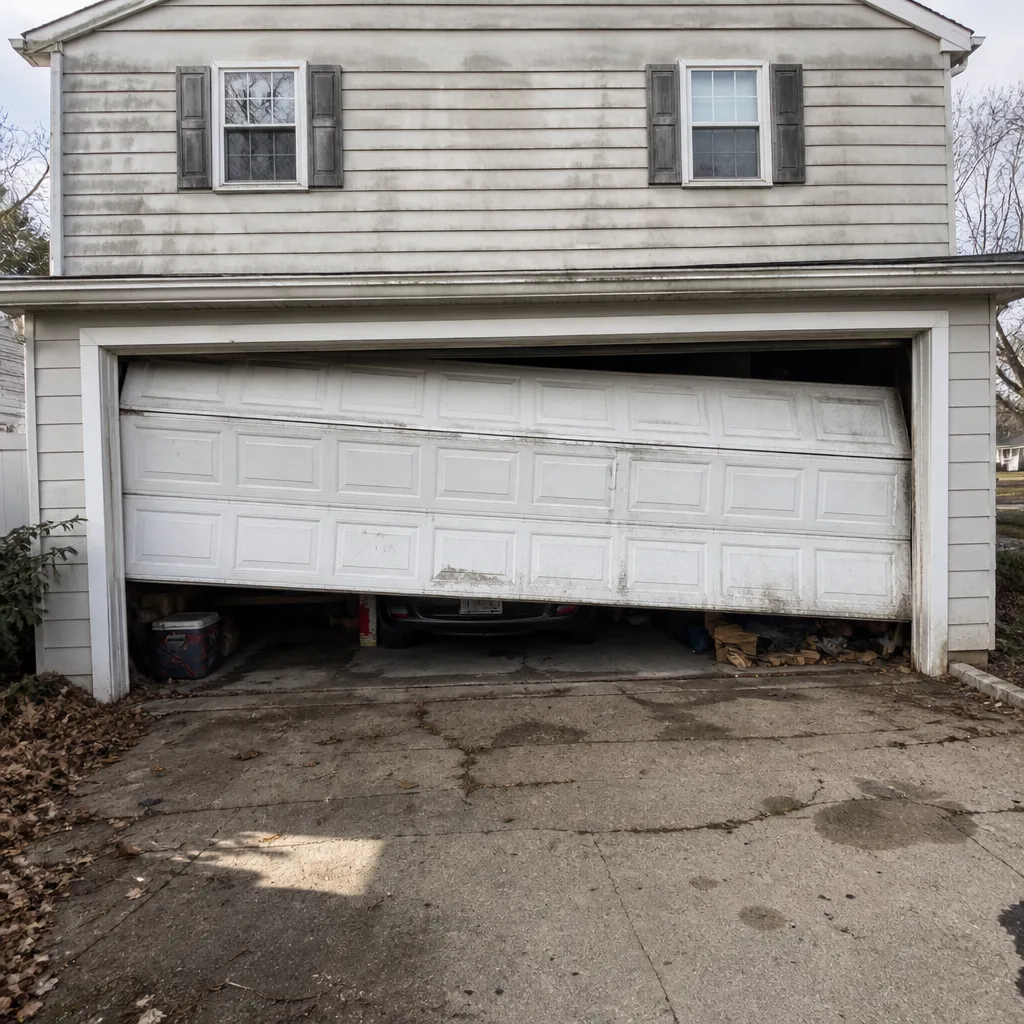 Before
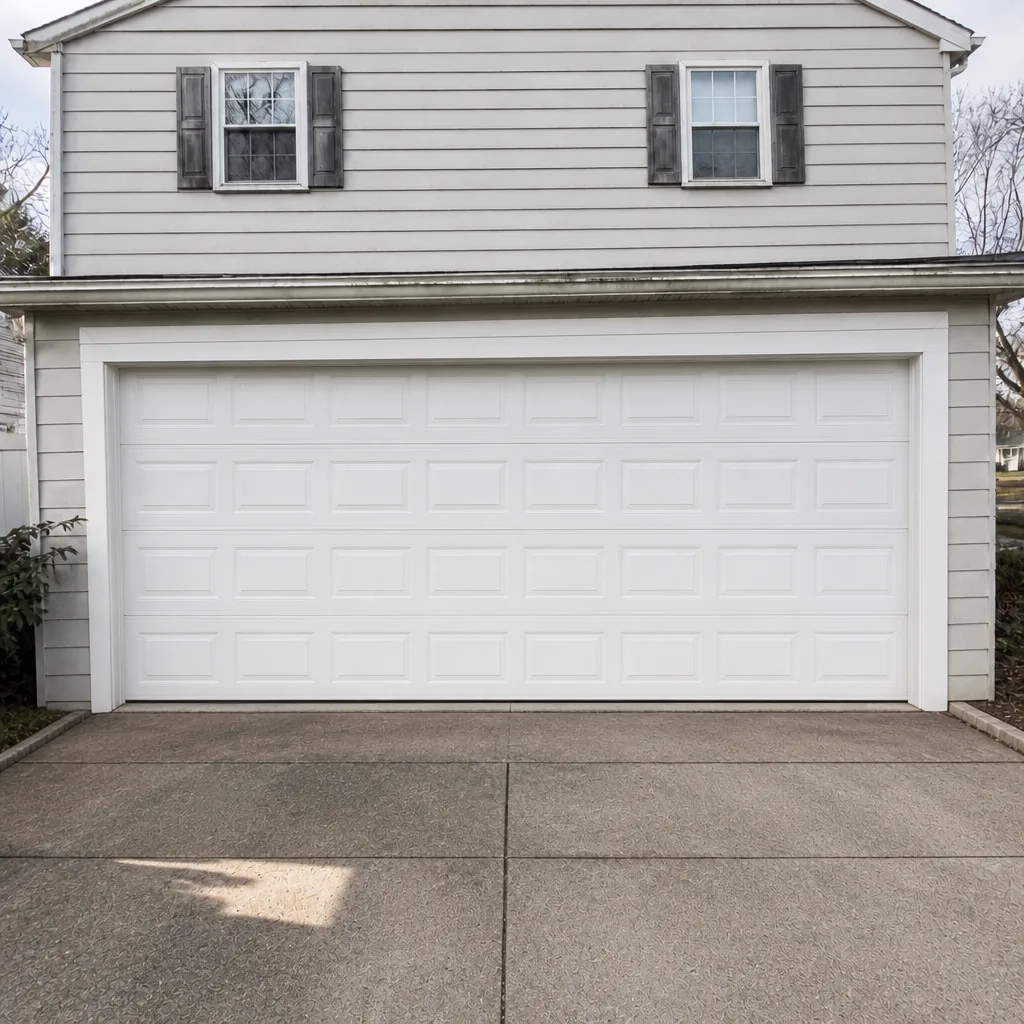 After
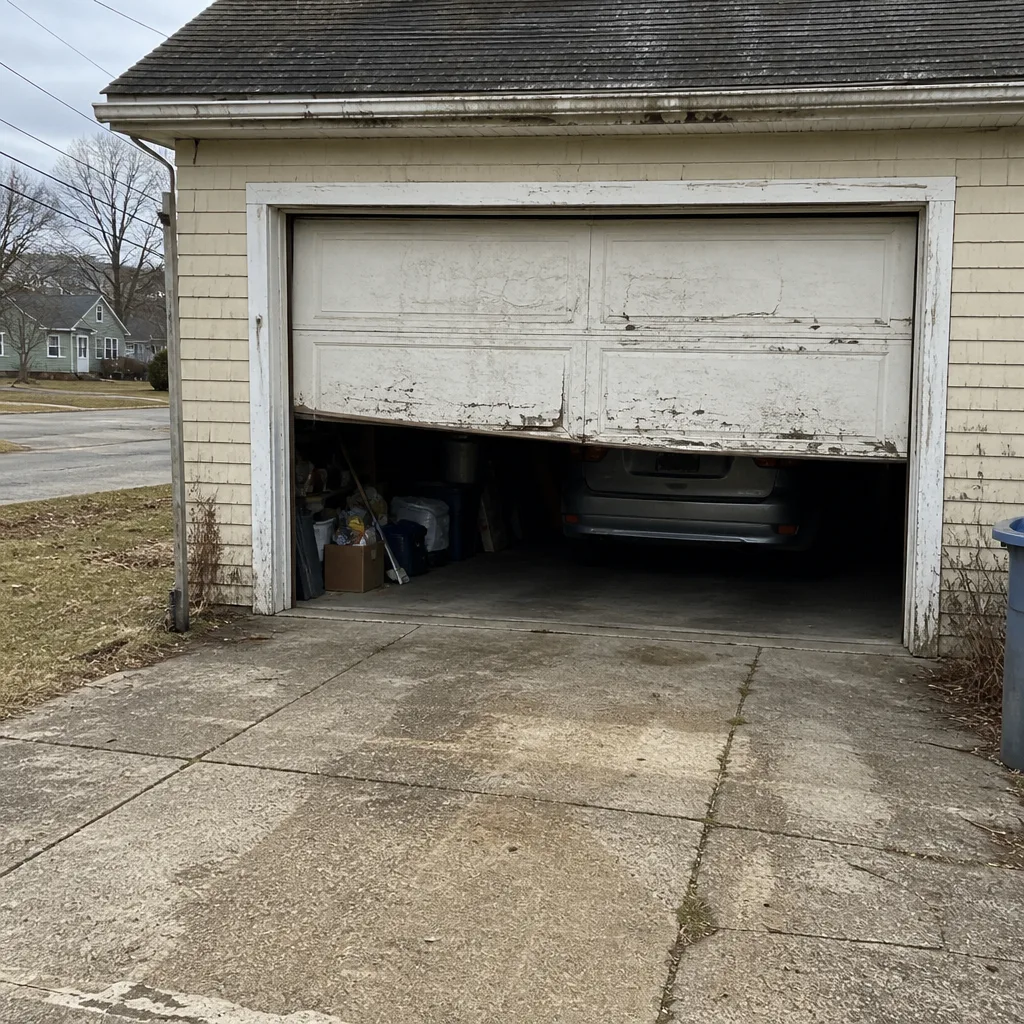 Before
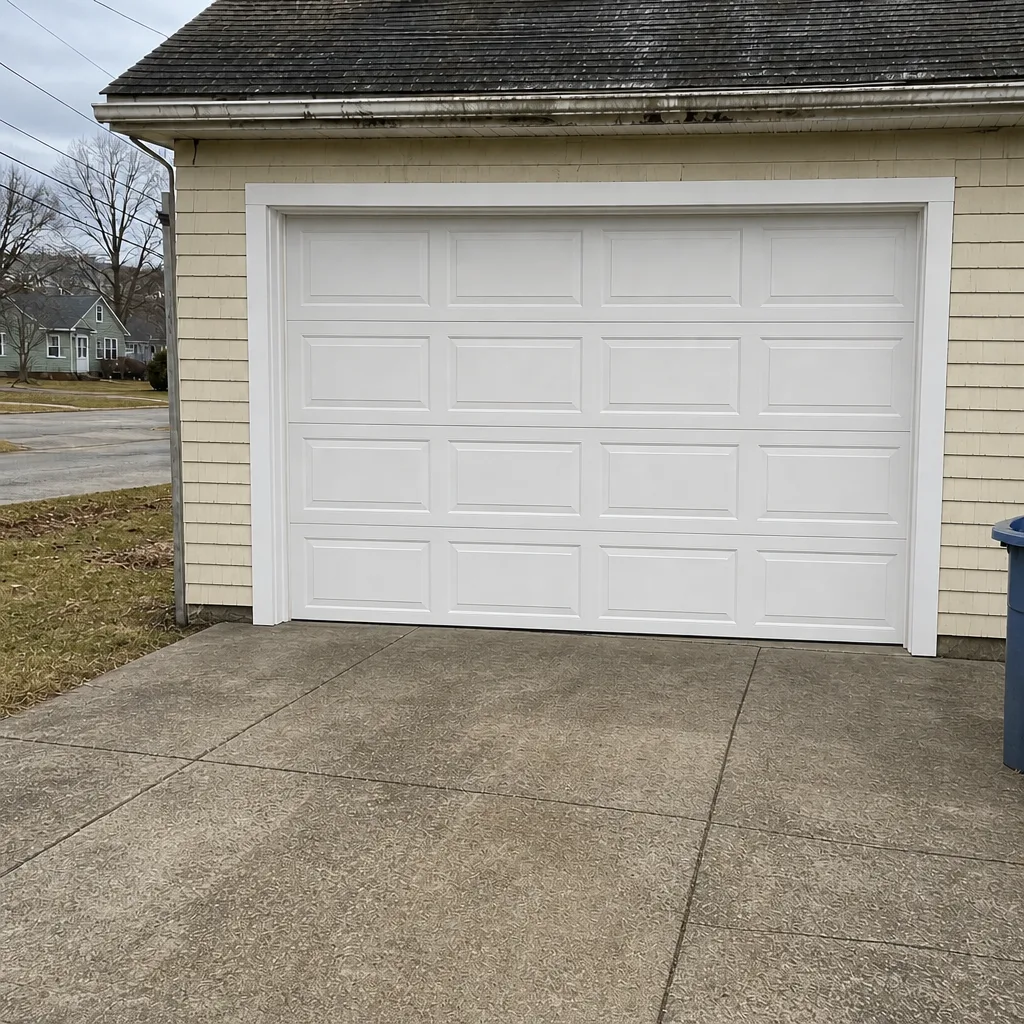 After
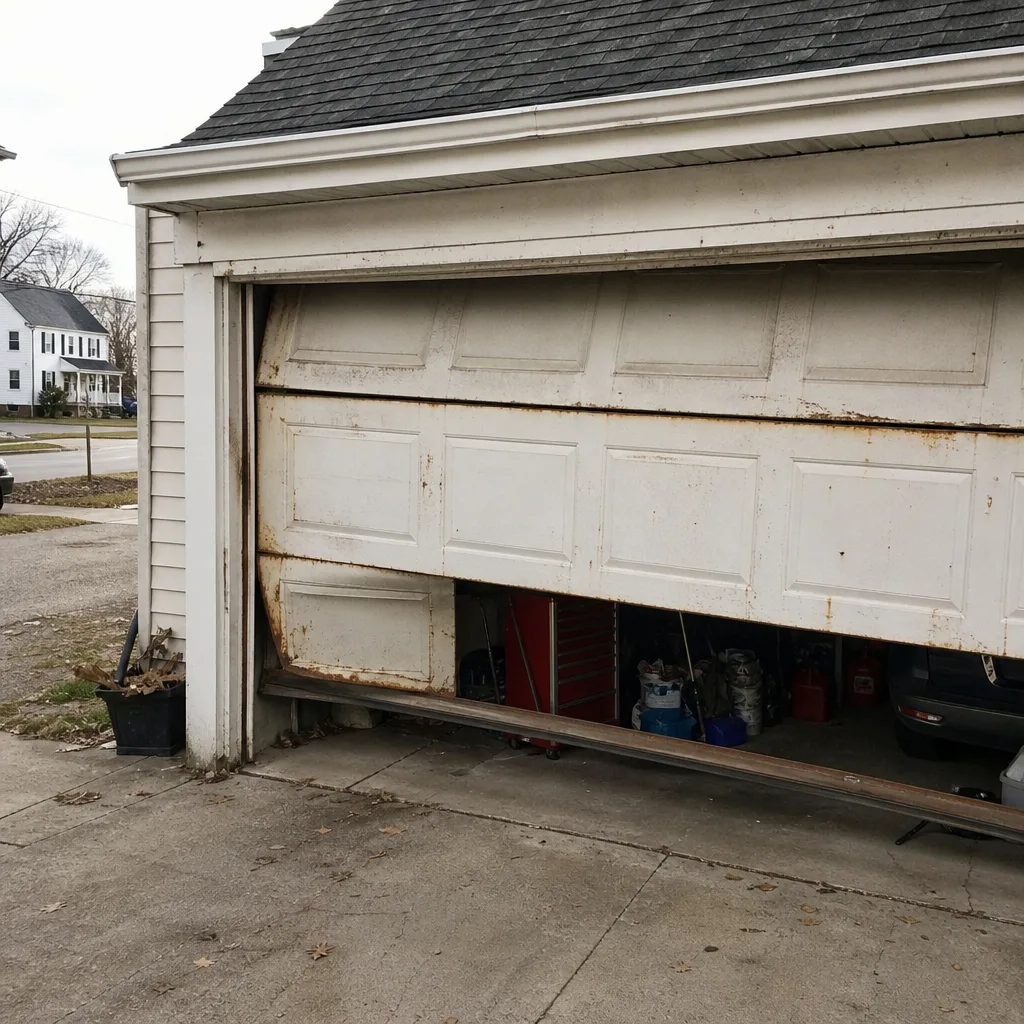 Before
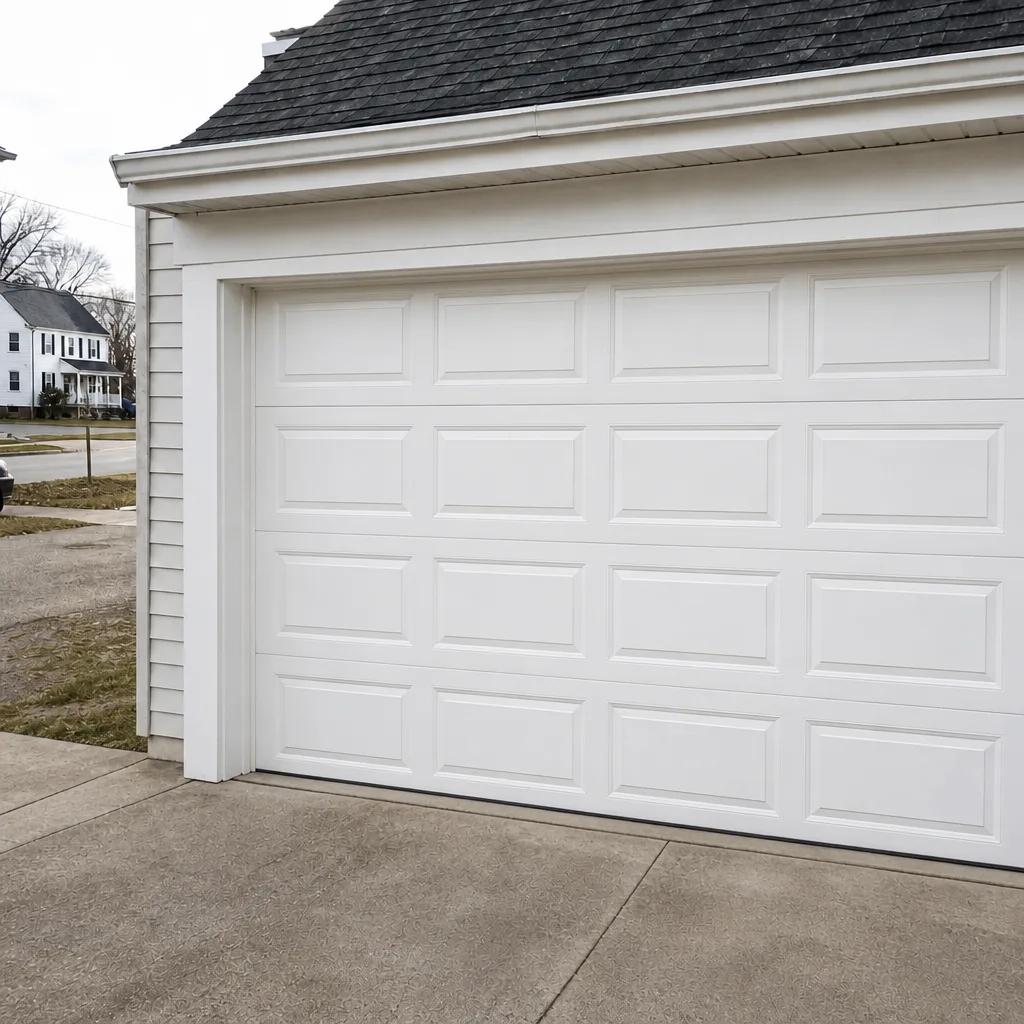 After