
Last updated November 21, 2026
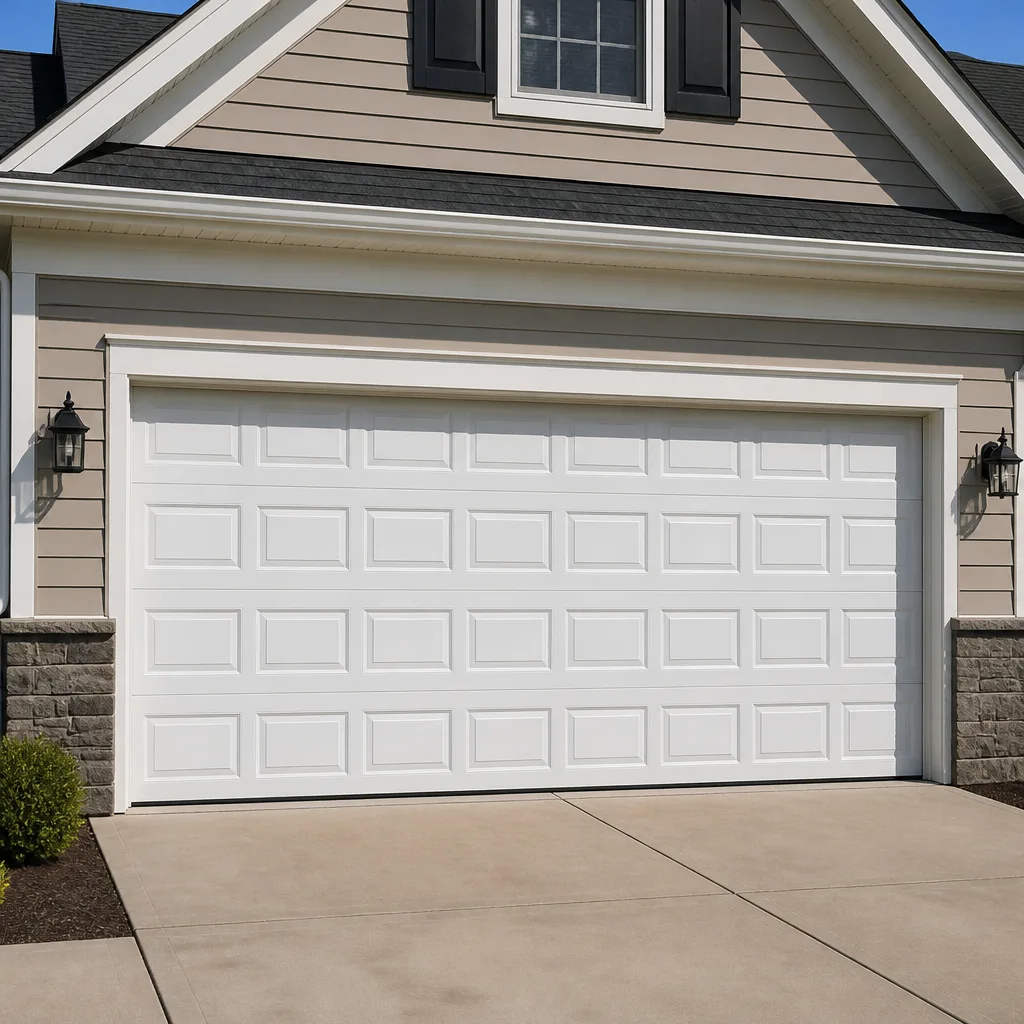 Raised-panel steel
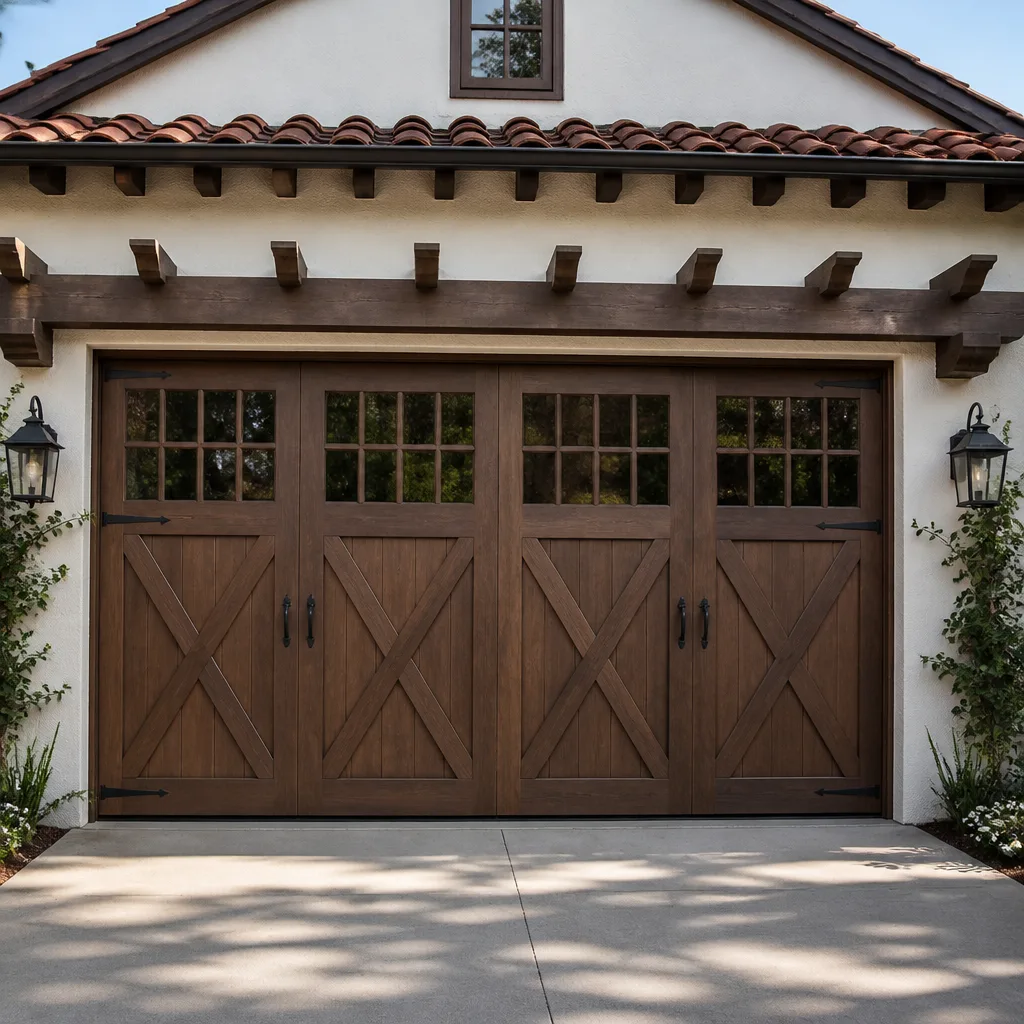 Carriage house
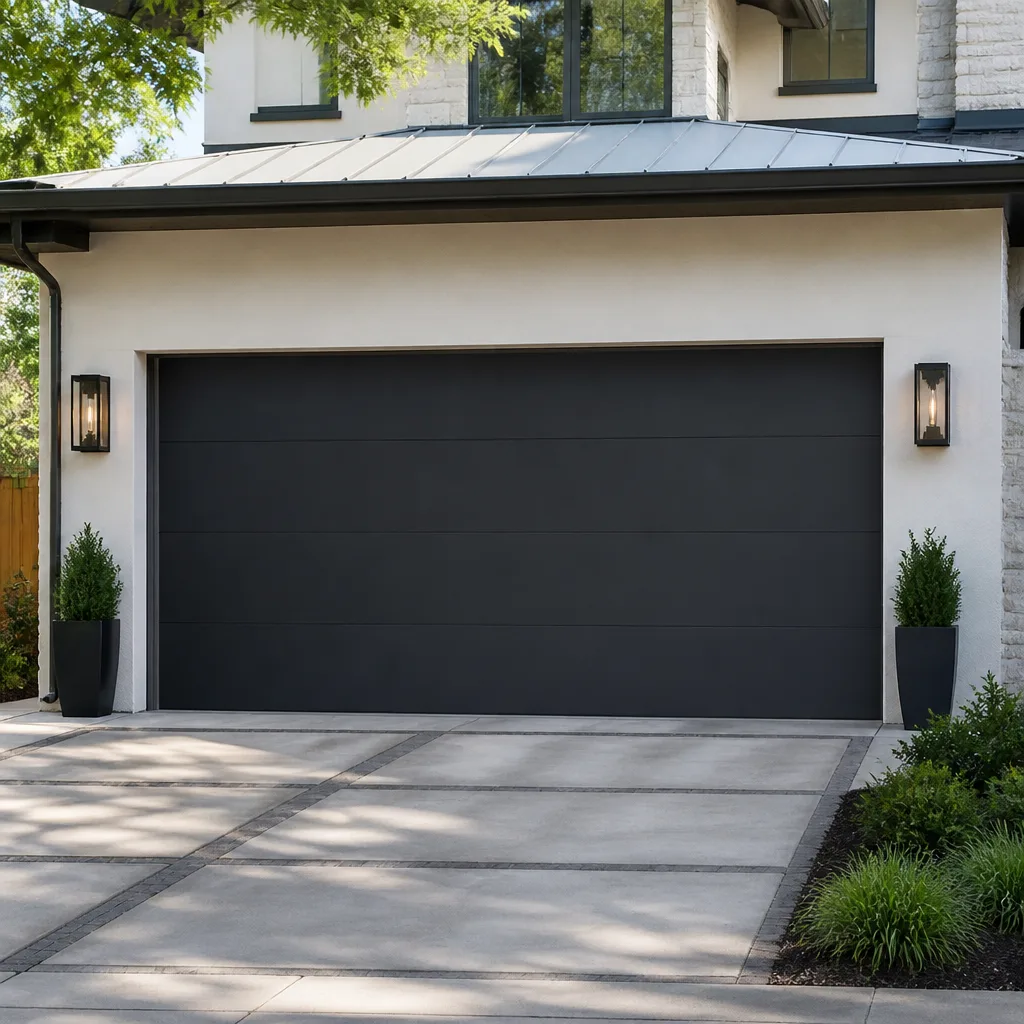 Modern flush
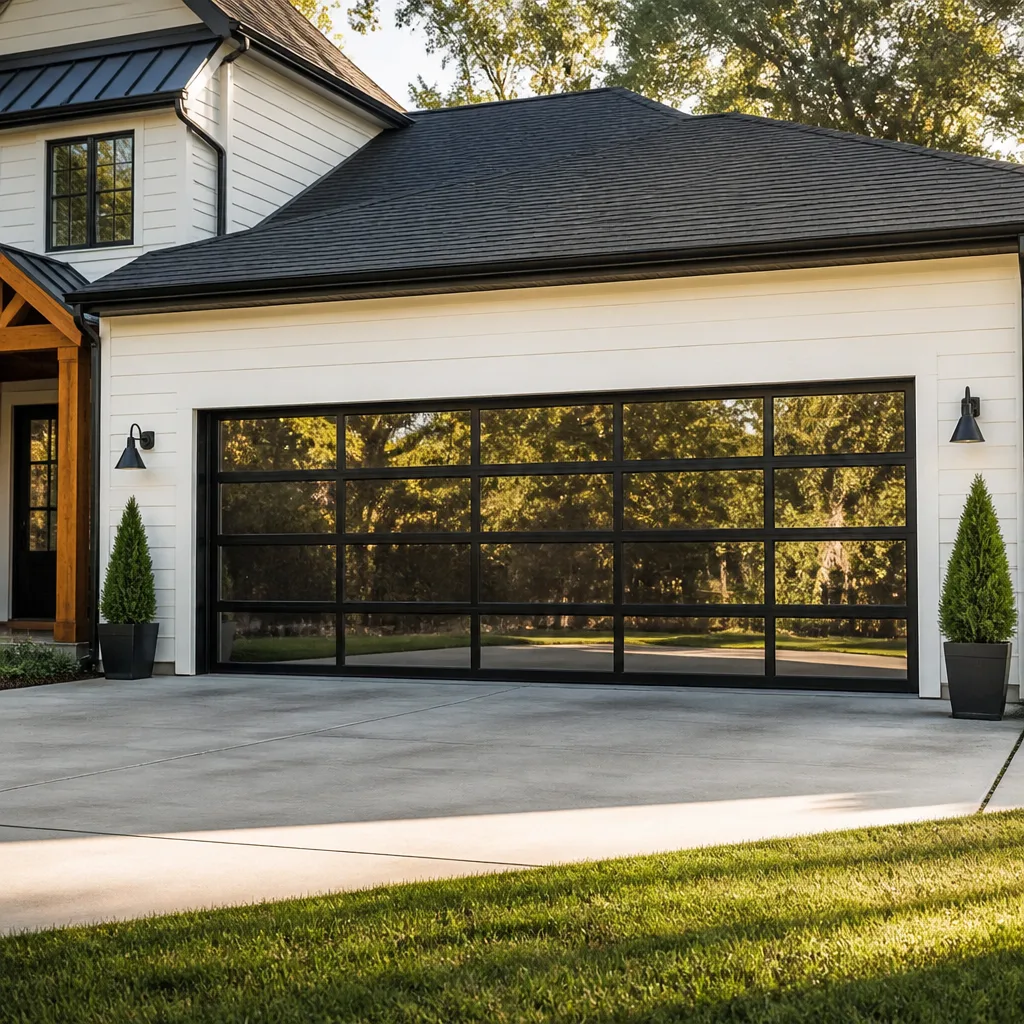 Full-view glass
 LiftMaster openers
 Chamberlain openers
Full 25-point door and opener safety check with every visit - springs, cables, rollers, tracks, and your LiftMaster or Chamberlain opener included
You get a price before we start. It does not change when the pro arrives.
Get your free estimateGarage Door Repair Maintenance Checklist for Providence Homeowners
The number-one cause of emergency garage door calls in cold-weather cities isn’t a snapped spring. It’s a four-minute task that costs nothing and gets skipped for two winters in a row. Most homeowners in Providence assume the door either works or it doesn’t, so they wait for the loud bang or the door that stops halfway. By then, a small amount of neglect has usually turned into a repair bill. What follows is a maintenance checklist built specifically for Rhode Island’s climate, not a generic list copied from a national site. You’ll learn what fails first here, when to check it, and what to leave to a technician.
Quick Answer
A Providence garage door needs a monthly visual and balance check, lubrication every three to four months in humid stretches, a bottom-seal compression test before each winter, and a full hardware inspection after any freeze-thaw cycle. Springs, cables, and torsion hardware should only be inspected by sight and never adjusted by a homeowner. The tasks that actually prevent emergencies are the small, frequent ones homeowners skip.
Styles & brands we work with
- Raised-panel steel
- Carriage house
- Modern flush
- Full-view glass
- LiftMaster openers
- Chamberlain openers
Table of Contents
- Why a Providence Door Ages Differently
- The Month-by-Month Maintenance Cadence
- Testing Bottom Seal Compression for a Rhode Island Winter
- Lubrication Schedules for High-Humidity Versus Dry Air
- What to Check After a Freeze-Thaw Event
- Maintenance That Void Manufacturer Warranties (and How to Document It)
- What You Can Safely Check Versus What Needs a Technician
- Spring and Cable Safety: What to Know Before You Touch Anything
Why a Providence Door Ages Differently
Garage doors in Providence live through a wider swing in seasonal stress than most of the country. A door here sees humid summer air, wet autumn storms, and a hard freeze that pushes water into every seam and hinge. That moisture expands when it freezes, and the repeated thaw-and-freeze cycle works metal hardware loose in ways warm-climate doors never experience. This is why a maintenance schedule copied from a Phoenix blog will miss what actually matters on a Providence door.
The other local factor is age of the housing stock. Many neighborhoods around the East Side, Elmwood, and the North End have garages attached to homes built decades ago. Older doors were often installed with hardware that was never designed for the number of open-close cycles a modern family puts on a primary entry point. If your garage is the door everyone actually uses, the hardware is working far harder than the manufacturer imagined.
Providence also gets a lot of precipitation spread across the year. That means moisture is the constant background condition, not just a spring and fall concern. In practical terms, this makes lubrication and seal integrity more critical here than in drier regions, and it means you should be paying attention to rust on hinges and track brackets rather than just squeaks.
Understanding this is the foundation of every task below. We’re not asking you to do more. We’re asking you to do the right things at the right times for the weather you actually live in.
Quick note on the rest of this guide: if you decide partway through that you’d rather hand the whole thing to a trained technician, Providence Garage Door Repair Co offers garage door repair with free estimates and a price quoted before any work starts.
The Month-by-Month Maintenance Cadence
Forget the generic spring-and-fall buckets. A Providence door benefits from a schedule that follows the actual seasonal stressors here. Below is a cadence we recommend to homeowners who want to stay ahead of failures rather than react to them.
- January through March (deep winter): Monthly visual check of seals, hinges, and the bottom weatherstrip. Listen for new squeaks on opening. Look for frost or ice buildup at the bottom of the door, which hints at a failing seal.
- April (thaw): Full hardware inspection after the last freeze. Check every hinge, roller, and track bracket for looseness. Test the door’s balance by hand. This is the month when freeze damage shows up.
- May through June (wet spring): Lubricate hinges, rollers, and the torsion spring once. Clean the tracks. Check for rust starting at fasteners and the bottom corners of the door panels.
- July through August (humid summer): Mid-season lubrication if the door is used heavily. Check the safety reverse on the opener (monthly, ideally always). Inspect the seal for shrinkage.
- September through October (pre-winter): The most important stretch. Compression-test the bottom seal, tighten all hardware, check the opener force settings, and clear and lubricate the tracks. This is your winter preparation window.
- November through December (first hard freezes): Weekly eye check on the bottom seal and door operation as temperatures drop. Watch for the door stopping short or reversing unexpectedly.
This cadence is not arbitrary. It places the heaviest tasks just before the months when failures are most disruptive, and it invokes the full hardware inspection right when freeze damage surfaces. A homeowner in Providence who follows this pattern is far less likely to be the one calling for emergency service in a snowstorm.
The rest of this guide breaks out the individual tasks in more detail so you know exactly what to check and what to leave alone.
Testing Bottom Seal Compression for a Rhode Island Winter
The bottom seal is the rubber or vinyl strip along the lowest edge of your door. It’s the first line of defense against cold air, snow, and water intrusion, and it’s the part most homeowners test incorrectly. Most people close the door, look at the seal, and decide it looks fine. Looking tells you almost nothing. Compression tells you everything.
Here’s the correct test:
- Close the door fully and stand outside.
- Slide a piece of paper or a thin business card under the bottom edge at several points across the width of the door. Use the same piece at each spot so the results are comparable.
- At each point, pull gently. The paper should resist. If it slides out easily, the seal is not compressing against the floor at that spot.
- Repeat at both corners, the center, and a point a third of the way under each side of the door. A seal can compress in the middle and fail at the corners.
- Look for visible daylight under the door with the garage dark inside. Daylight and easy paper pull together mean a replacement is due before winter.
Why this matters specifically in Providence: a seal that doesn’t compress lets cold air and moisture under the door. That moisture freezes at the threshold and can lift the door slightly when it thaws, which throws off the balance and strains the opener. The paper test takes four minutes and catches the problem while it’s still a ten-dollar seal instead of a repair.
If your seal fails the test, note it and address it before the first hard freeze in October or November. The seal itself is a homeowner-replaceable part for most door brands, but on a door that is already heavy or has failing springs, get the whole door checked first.
Lubrication Schedules for High-Humidity Versus Dry Air
Lubrication is another task where the generic advice fails. A torsion spring on a door in a humid stretch of Providence needs attention on a different schedule than one in a dry, inland climate. Humidity accelerates corrosion on the spring and on the steel cables and hinges. Dry air lets dust and grit accumulate instead. Both wear the mechanism, but they wear it in different places.
Here’s how we think about the schedule in each environment:
- High humidity (most of Providence, especially near the water and in older attached garages): Lubricate hinges, rollers, tracks, and the torsion spring every three months during the humid half of the year. Inspect for rust at every lubrication point. A light coat of a garage-door-specific lubricant protects the spring from moisture-driven corrosion.
- Low humidity (heated garages, or inland areas of Rhode Island during dry winter stretches): Lubricate every four months. Watch for grit accumulation on rollers and tracks instead of rust. Clean before lubricating so you’re not sealing dust into the joint.
Use a proper garage-door lubricant, not household oil or grease. Household oil attracts dirt and thickens in cold weather. Grease on the tracks collects debris and makes the door sluggish. Silicone-based sprays for the seal, and a light, purpose-made door lubricant for the moving metal parts, are the right combination.
Never lubricate the inside of the tracks where the rollers run. That surface should be clean and dry. Lubricant there causes the rollers to slide instead of roll, which wears them down faster and creates the exact problem you were trying to prevent.
If your door has been squeaking or grinding for more than a few weeks, lubrication may not solve it. That’s a sign of a hardware issue and a good reason to have a technician look before you spend more time on maintenance.
What to Check After a Freeze-Thaw Event
Freeze-thaw is the local event most generic checklists skip, and it’s the one that catches Providence homeowners by surprise. Every time water gets into a joint and then freezes, it expands. On a garage door, the joints that matter are at the bottom corners of the door panels, the track brackets, and the hinges. A few freeze-thaw cycles can work hardware loose that was tight in the fall.
After a stretch of freezing nights and thawing days, walk around the door with the following in mind:
- Bottom corners of the door: Look for rust staining, bubbling paint, or any separation where the bottom panel meets the side stile. Water pools here first. If you see staining, the seal and the corner weatherstrip both need attention.
- Track brackets: Every bracket holding the track to the wall should be tight. Grab the track near each bracket and give it a firm, gentle shake. Any movement means the bracket needs tightening or the anchor is pulling loose from the frame.
- Hinges: Check for looseness at every hinge, especially the bottom two where moisture collects. A hinge that has started to pull free under the stress of frozen water will eventually fail on the door.
- Balance test: With the door closed, pull the opener release. Lift the door halfway by hand and let go. It should stay in place. If it drops or rises on its own, the spring balance has shifted.
- Door operation: Run the door through a full open-close cycle. Listen. A new popping or scraping sound after a freeze is a warning.
The bottom corners and track brackets deserve particular attention because they’re the two areas where freeze damage shows up first and is most often missed. Homeowners check the middle of the door where it’s easy to see. The failure usually starts at the edges.
If you find loose hardware or a balance problem after a freeze, don’t keep operating the door heavily while you decide what to do. A door that’s out of balance strains the opener and can pull loose hardware further with every cycle.
Maintenance That Void Manufacturer Warranties (and How to Document It)
This is the section most homeowners don’t think about until a spring fails under warranty and the claim is denied. Major brands including Chamberlain, Genie, Clopay, and Amarr all have maintenance expectations written into their warranties. Do the wrong thing, or fail to document what you did, and you may be on your own for a repair the warranty would have covered.
Here’s what routinely causes warranty problems:
- Using the wrong lubricant. Household oil, WD-40 as a lubricant, or heavy grease on rollers and tracks can cause component wear the warranty treats as owner-caused. Stick to purpose-made garage door lubricant.
- Adjusting the torsion spring. Springs are under extreme tension. Homeowner adjustment can damage the spring, the cables, and the torsion tube, and it’s dangerous. This is a strict no. See the safety section below.
- Overriding or “fixing” safety features. If the safety reverse on your opener has been disabled or bypassed to make the door close, that voids coverage on the opener and creates a real risk.
- Improper track alignment. Kicking or bending a track back into place causes roller and door damage that manufacturers attribute to owner handling.
- Missing maintenance. Some warranties require reasonable maintenance and will ask for evidence of it.
How to document what you did: keep a simple log. Note the date, the task, and the product used. Photograph the door and hardware periodically, especially before and after any repair. Keep receipts for lubricants, seals, and any replacement parts. If a technician does any work, keep the invoice. A short paper trail protects the warranty on a Clopay door panel just as much as on a Genie opener.
One good rule: if the task requires loosening a cable, adjusting a spring, or moving the track, stop and call a professional. Those are the tasks that create warranty problems and real-world safety problems in the same moment.
What You Can Safely Check Versus What Needs a Technician
Not every task on this list belongs to you, and knowing the line protects your door, your wallet, and you. The rule is simple: anything under mechanical tension is off limits, and anything that requires loosening structural hardware is a professional job. Everything that’s a visual check, a cleaning, a lubrication, or a seal replacement is fair game.
Safe for homeowners:
- Monthly visual inspection of seals, hinges, and track brackets
- Lubrication of hinges, rollers, and the torsion spring with proper garage-door lubricant
- Cleaning the tracks (dry cloth or a light cleaner, not grease)
- Testing the seal compression with the paper test
- Testing the opener’s safety reverse with a small object in the door’s path
- Replacing a bottom seal if the door itself is sound
- Tightening visible bolts on hinges and brackets that haven’t moved
Needs a technician:
- Any spring adjustment or replacement (torsion or extension)
- Cable work of any kind
- Track bending, realignment, or re-anchoring
- Repairing a door that has come off the track
- Opener motor, board, or safety sensor repair
- Replacing rollers that have cracked or seized
- Any door that has stopped opening, closing, or balancing
If you’re unsure which side of the line a task falls on, that’s your answer: call a professional. It’s not a failure of your DIY skills. Garage doors are a mechanical system under constant tension, and this is a trade people specialize in.
When you do want to hand a task over, Providence Garage Door Repair Co handles the full range of residential work and the same company handles springs, openers, and installation without a handoff to a third party. You can learn more about garage door opener repair if your opener is the part that’s failing.
Spring and Cable Safety: What to Know Before You Touch Anything
The torsion spring above your garage door stores enough force to open a door weighing hundreds of pounds. That force doesn’t disappear when the spring snaps or when you loosen a set screw. It releases. The same is true of the cables running down each side of the door, which are under constant load from the spring. This is why spring and cable work is the single most dangerous task a homeowner can attempt on a garage door.
We’re not going to give you steps for this. We’re going to tell you why you should never go looking for them. A window has adequate tension to cause a serious injury if a spring or cable gives way unexpectedly. People are hurt doing this every year, and it happens on doors that looked fine minutes before. Proper tooling and training are the difference between a safe repair and a hospital visit.
What you can do safely:
- Look, don’t touch. A snapped torsion spring usually shows a visible gap. A cable that’s frayed or off the drum is visible. Note it and stop there.
- Keep the door closed if springs or cables are suspect. A door with a broken spring is being held up by its opener or by its own weight. Leave it down and call.
- Never disable the safety reverse to make a door close. It exists to protect anything in the door’s path, including children and pets.
- Keep the area around the door clear so nobody walks under a door with a suspect spring or cable.
When it’s time to have a spring or cable addressed, choose a specialist. This is the task where experience matters most, and it’s why we treat spring repair as a core service rather than an add-on to a more general handyman visit. If you’re not sure whether what you’re looking at is a spring problem, that’s still a good reason to call and describe it.
Common Mistakes to Avoid
- Testing the bottom seal by looking instead of compressing. A seal that looks intact can fail the paper test at both corners, letting in the moisture that starts freeze damage. Test for compression, not appearance, and test across the whole width of the door.
- Lubricating the inside of the tracks. The track surface where the rollers run should be clean and dry. Lubricant there makes the rollers slide instead of roll, which wears them out faster and causes the noise you were trying to eliminate in the first place.
- Using household oil or grease as garage door lubricant. Household oil thickens in the cold, and grease collects grit. Both can wear hardware and, on some brands, cause warranty problems. Use a purpose-made garage door lubricant.
- Skipping the post-freeze inspection of bottom corners and track brackets. This is the two-part check most homeowners never do and it catches the early damage before the whole door is affected. If you only do one thing after a freeze-thaw stretch, do this.
- Adjusting a torsion spring yourself. It’s the most dangerous task on a garage door and the one most likely to void your manufacturer warranty. Springs are not a homeowner repair, full stop.
- Not keeping maintenance records. When a warranty claim comes up, a simple log of what you did and when can make the difference between coverage and a denied claim. A five-minute habit protects a five-hundred-dollar repair.
- Treating a balance problem as a minor annoyance. A door that drifts after the release test is putting extra strain on the opener every time it runs. Left alone, that turns into a motor failure on top of a spring problem.
See the difference
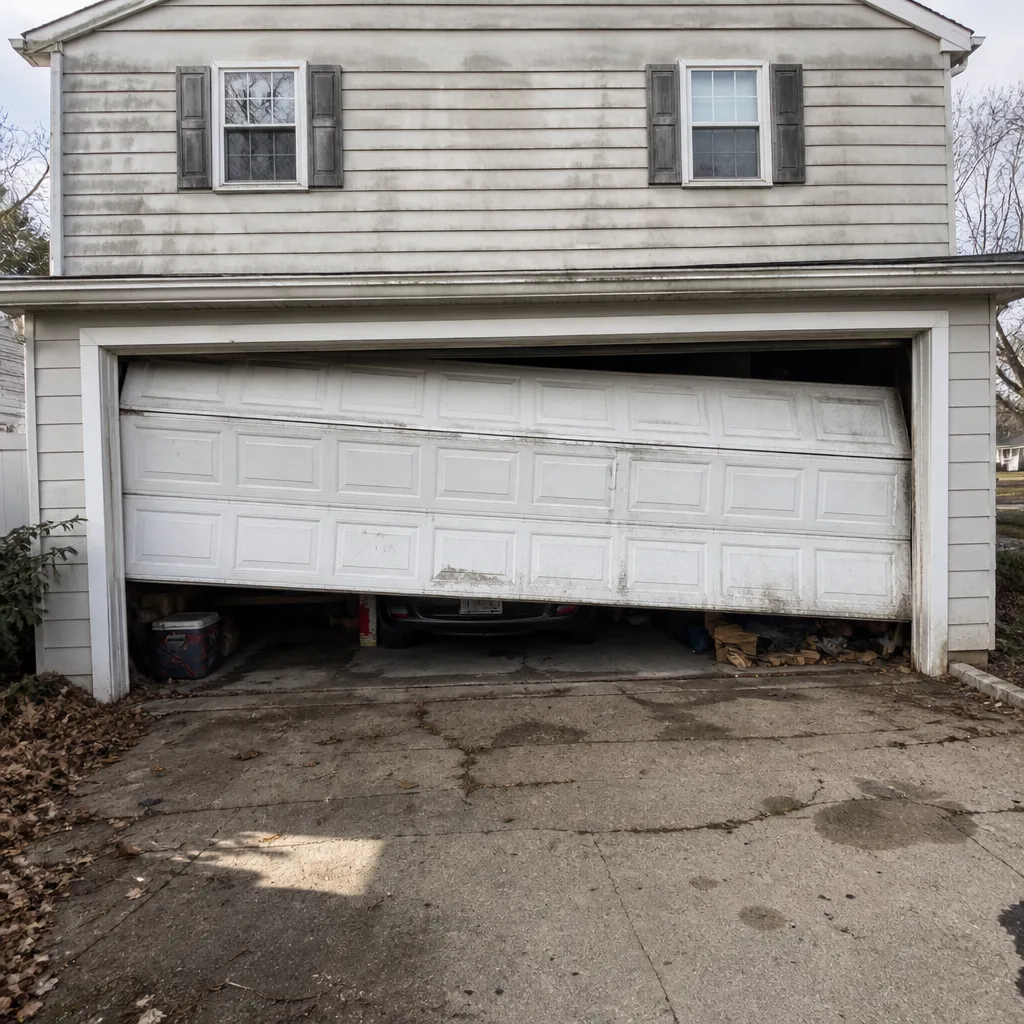 Before
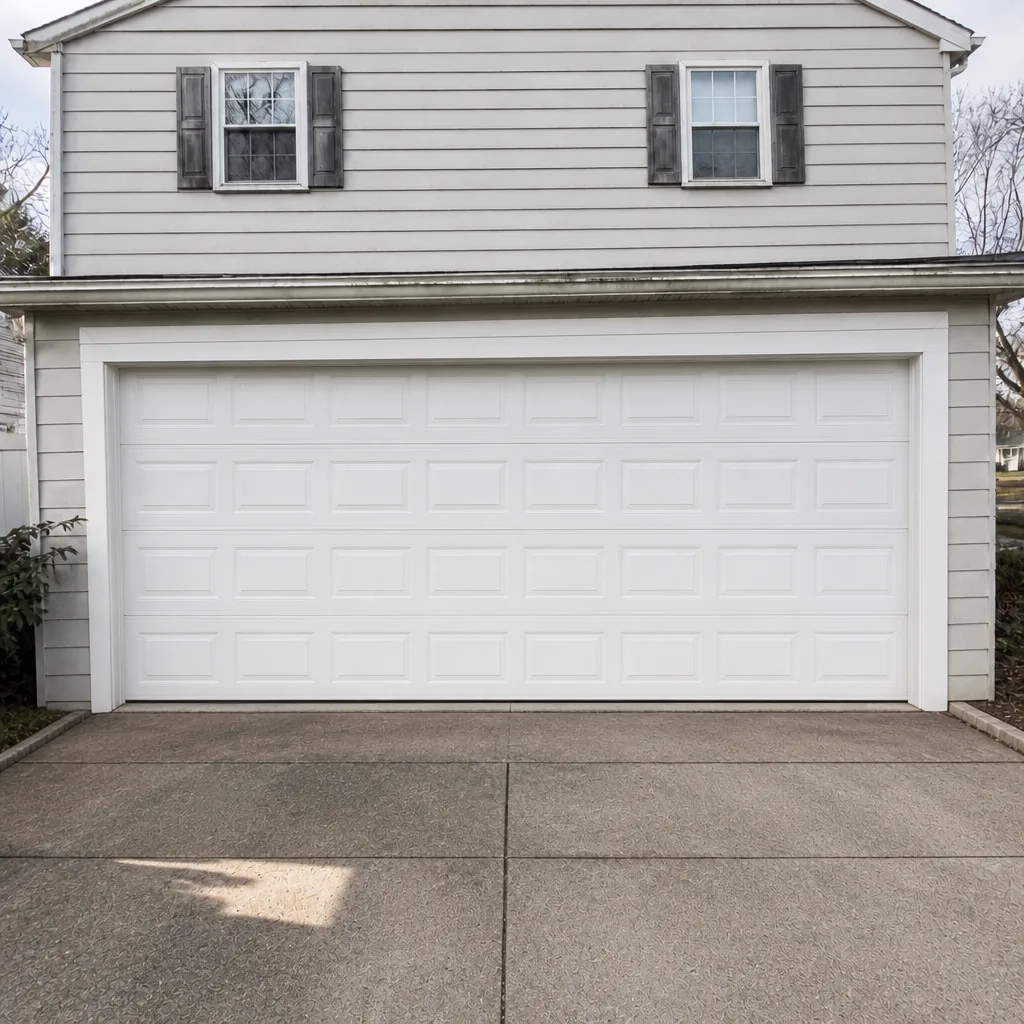 After
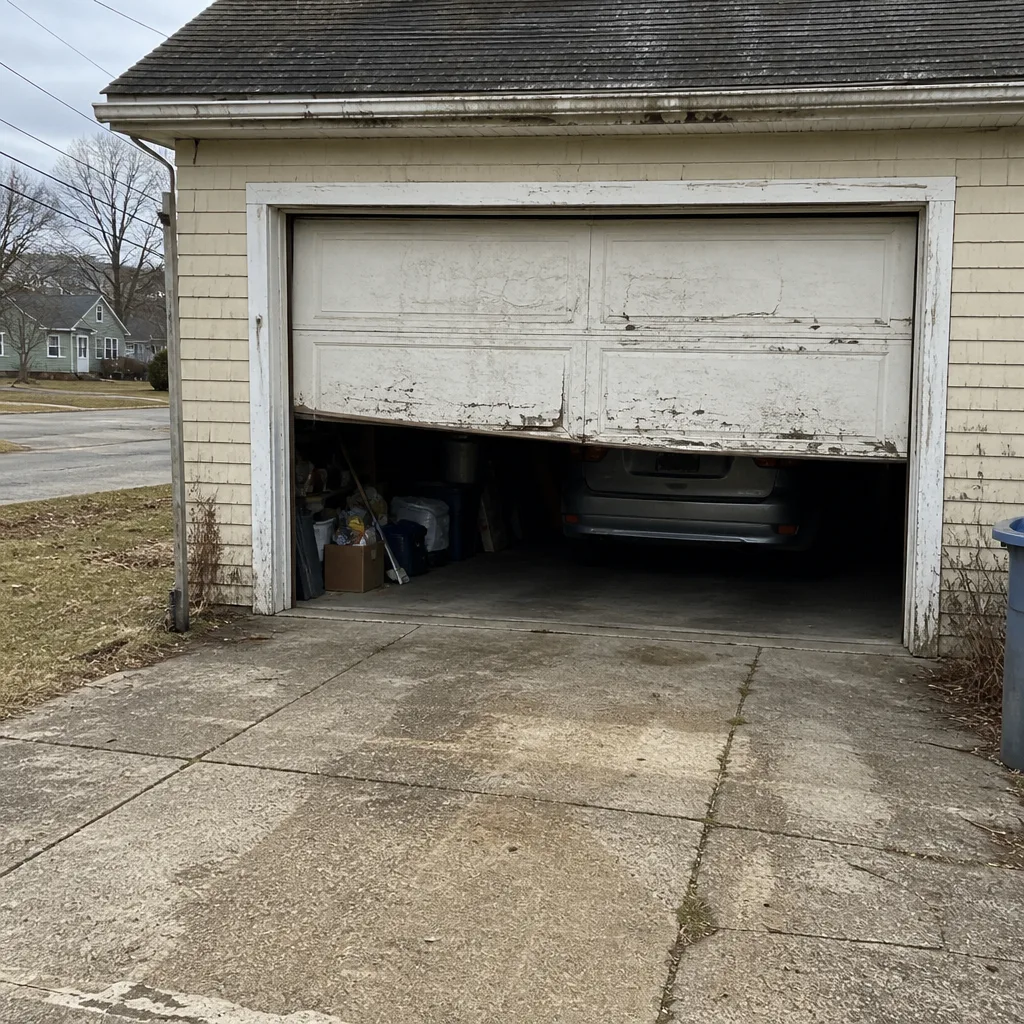 Before
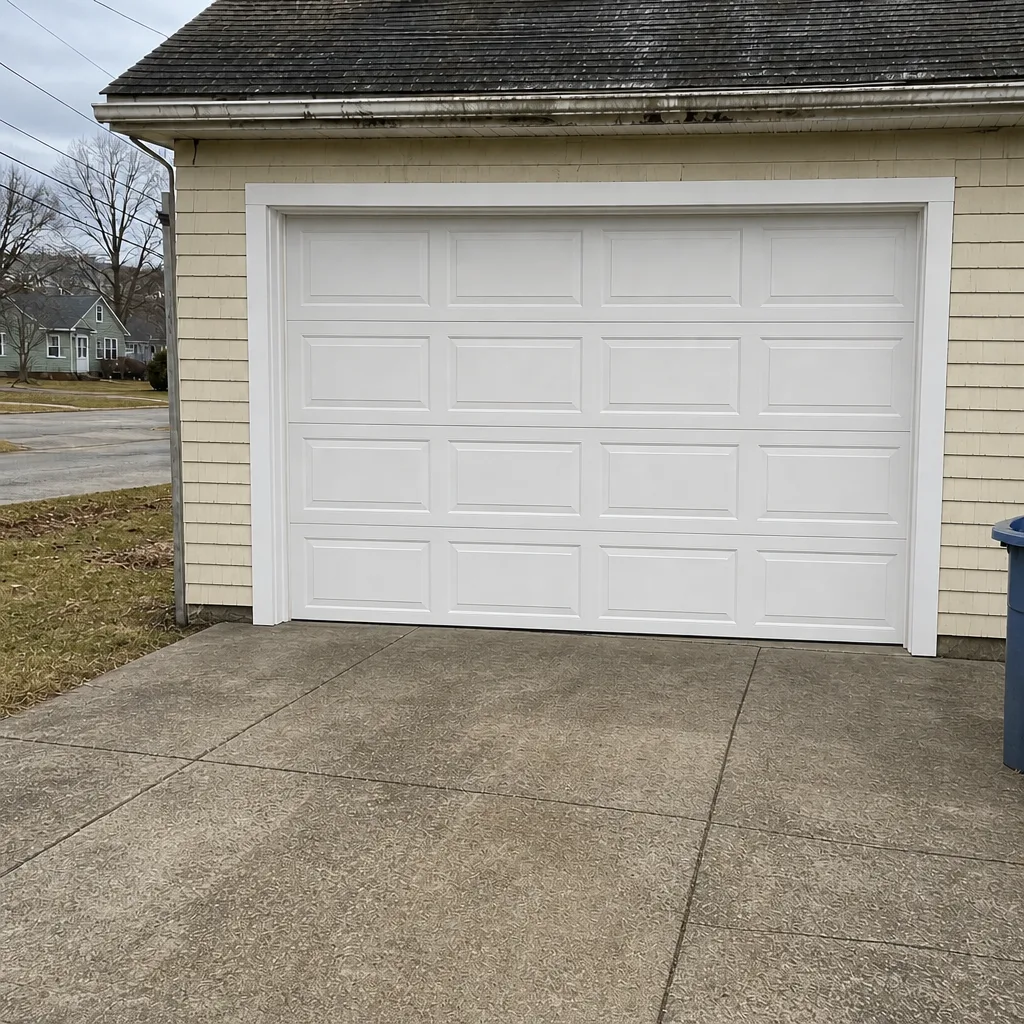 After
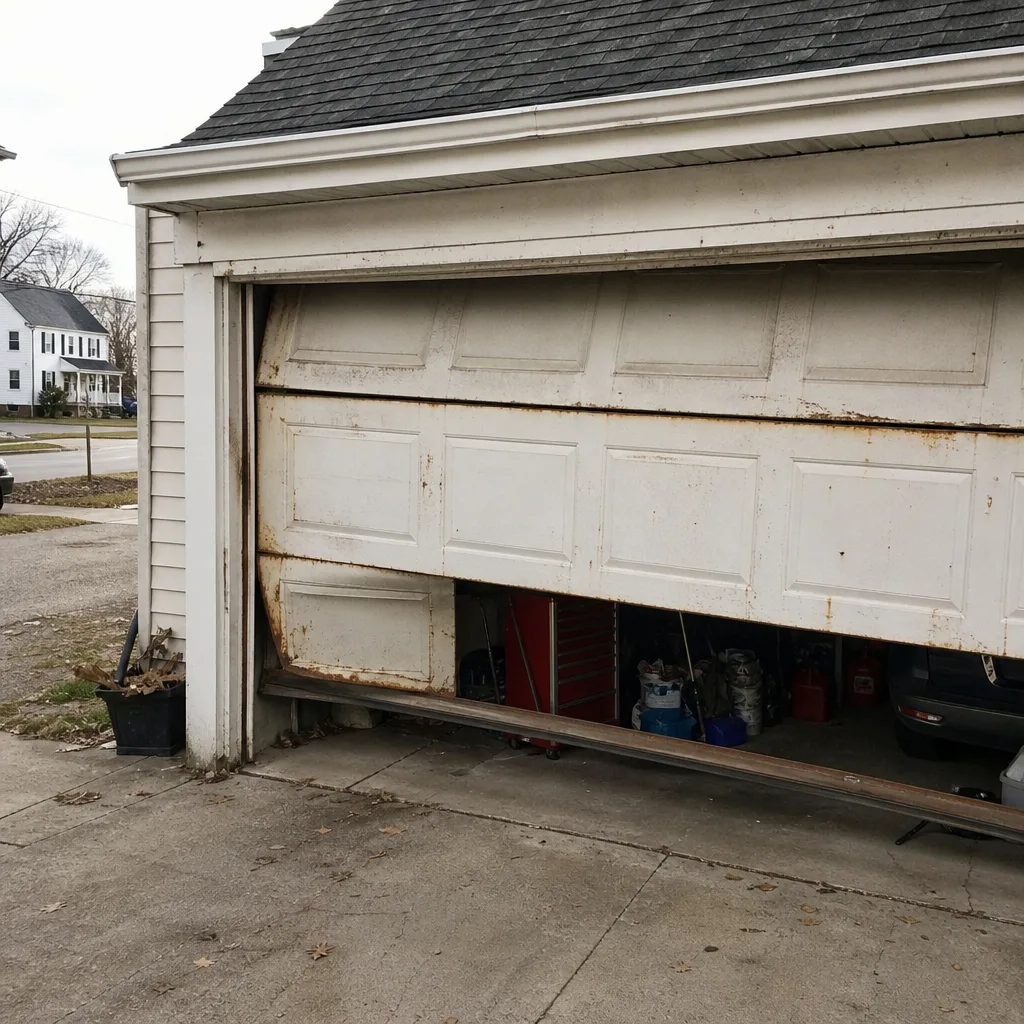 Before
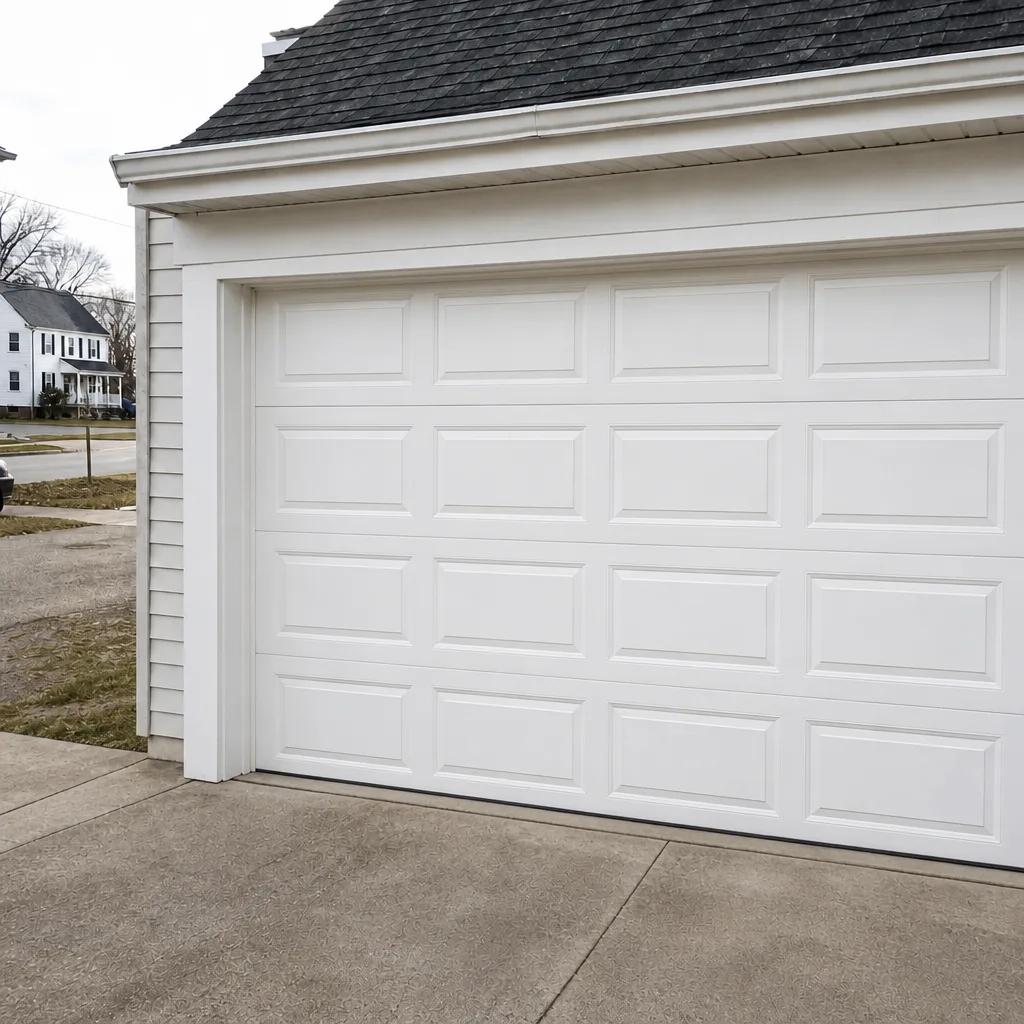 After
When to Call a Professional
Call a professional if you find a broken spring, a frayed or off-drum cable, a door that has come off the track, a door that reverses or stops halfway, or hardware that has pulled loose from the frame after a freeze. Also call if your opener is struggling to lift the door, if you see daylight under the seal after a compression test, or if the door has become noticeably heavier to lift by hand. Any of those signals means the system needs a trained eye, and continuing to run the door makes it worse. Providence Garage Door Repair Co offers free estimates in Providence, with the price quoted before any work starts. Call (844) 954-3433. We answer 24/7. Fast dispatch from 7am to 7pm, Sunday through Friday, and we’re closed Saturday. If a door fails on a Saturday, call and we’ll book you into Sunday.
Frequently Asked Questions
Lubricate the moving metal parts every three to four months, closer to three months during the humid half of the year. Providence’s humidity accelerates corrosion on the torsion spring and hinges, so stick to the shorter interval during summer. Never lubricate the inside of the tracks, and always use a purpose-made garage door lubricant rather than household oil. Call (844) 954-3433 if the door is making new noises after lubrication, since squeaks that don’t go away usually point to worn hardware.
The bottom seal and the hardware at the bottom of the door tend to fail first, not the spring. Water pools at the threshold, freezes, thaws, and works the seal and the bottom brackets loose over time. A paper compression test before winter catches this early. If you’re seeing daylight under the door or a loose track bracket, call (844) 954-3433 for a free estimate.
No. Torsion and extension springs are under extreme tension, and loosening or removing one by hand creates a real risk of serious injury. It’s also a task that can void the warranty on major brands if done incorrectly. Spring work should always be done by a trained technician. Call (844) 954-3433 if you suspect a broken spring, and keep the door closed and the area clear in the meantime.
Pull the opener release with the door closed, lift it halfway by hand, and let go. A balanced door stays put. A door that drops or rises on its own is out of balance and needs professional attention. Don’t keep cycling the door in that state, since an out-of-balance door strains the opener every time it operates. Call (844) 954-3433 to book a free estimate.
Yes. After a freeze-thaw stretch, inspect the bottom corners of the door panels, the track brackets, and the bottom two hinges for looseness, rust, or pulling away from the frame. Run the door through one full cycle and listen for new sounds. Any movement at a bracket or hinge is a signal to call. Reach us at (844) 954-3433 if something looks off.
Use purpose-made garage-door lubricant, keep the safety reverse working, don’t adjust springs or bend tracks, and keep a simple log of what you did and when. Chamberlain, Genie, Clopay, and Amarr all have maintenance terms in their warranties, and a short paper trail with dates and products used protects you if a claim comes up. If you’re unsure whether a task is safe to do yourself, call (844) 954-3433 for guidance.
The Bottom Line
Garage door maintenance in Providence is less about doing more and more about doing the right things before the weather turns. The paper compression test, the post-freeze check of bottom corners and track brackets, the three-month lubrication interval in humid stretches, and the habit of documenting what you did will prevent most emergency calls. Skip the spring and cable work. That belongs to a technician, every time. If any task on this checklist turns up something you can’t safely handle, or you’d rather have the whole door looked at before winter, we’re here. Call (844) 954-3433 for a free estimate. We answer 24/7. Fast dispatch from 7am to 7pm, Sunday through Friday. Whether it’s a failing seal, a tired opener, or a full garage door installation down the road, one call covers it. And when your opener needs attention, everything about garage door opener repair is handled by the same team. For the full picture of what we do, visit Providence Garage Door Repair Co.
Written by the team at Providence Garage Door Repair Co.